[lwptoc]
I. Introduction
Importance of understanding depression.
Overview of the post content.
Image by Gerd Altmann from Pixabay
Depression is a condition that affects millions of people worldwide, yet it remains widely misunderstood. People often think they are simply “feeling sad” when a complex and multifaceted condition can impact every aspect of a person’s life. That’s why it’s so important to understand what depression is, how it works, and what we can do to help those struggling with it.
This post will demystify depression by closely examining its symptoms, causes, and types. We’ll also be exploring some common myths about depression and why they’re false and discussing treatment options and resources for those struggling with depression.
By the end of this post, I hope you’ll better understand what depression is and feel empowered to seek help if you or someone you know is experiencing it.
Be sure to read until the end because there will be a FREE bonus!
Without further ado, let’s dive in!
II. Symptoms of Depression
What are the symptoms of depression?
When would you call 911?
Do you have “blues” or depression?
Depression is a mental health condition that affects people of all ages and backgrounds. It’s characterized by persistent sadness, hopelessness, and a loss of interest in activities that were once enjoyable.
While everyone experiences sadness from time to time, depression is different in that it can last for weeks, months, or even years if left untreated.
Persistent feeling of sadness.
This feeling can manifest as a low mood, a feeling of emptiness, or a sense of hopelessness about the future. People with depression may also feel guilty, worthless, or irritable for no apparent reason.
These negative feelings last for more than two weeks.
It can make finding joy in everyday activities challenging and interfere with work, school, and relationships.
Loss of interest in activities that were once enjoyable.
Hobbies, sports, and socializing can all feel like too much effort when depression sets in. This can lead to feelings of isolation and can exacerbate the feeling of sadness.

Image by Piyapong Saydaung from Pixabay
Feelings of worthlessness.
People with depression may perceive themselves as inadequate, flawed, or unworthy, and they may believe they do not have any value or purpose in life.
They may have negative thoughts about themselves, such as thinking they are a burden to others or that they do not deserve to be happy.
Depression can also cause physical symptoms.
Fatigue, sleep disturbances, and changes in appetite and weight are all common in people with depression. This physical burden can make it challenging to maintain a healthy lifestyle and lead to feelings of hopelessness and guilt.
Physical symptoms, such as body pain, headaches, cramps, and digestive problems, can also occur.
Depression can also impact cognitive function.
People with depression may have trouble concentrating, making decisions, or remembering details. They may find work or school difficult, leading to frustration and inadequacy.
One major issue Is the thoughts of self-harm or suicide.
These thoughts should be taken seriously and addressed immediately. If you or someone you know is experiencing suicidal thoughts, seeking emergency medical attention is vital.
While some people may experience all of these symptoms, others may only share a few. It’s important to note that depression is a highly individualized condition, and everyone experiences it differently.
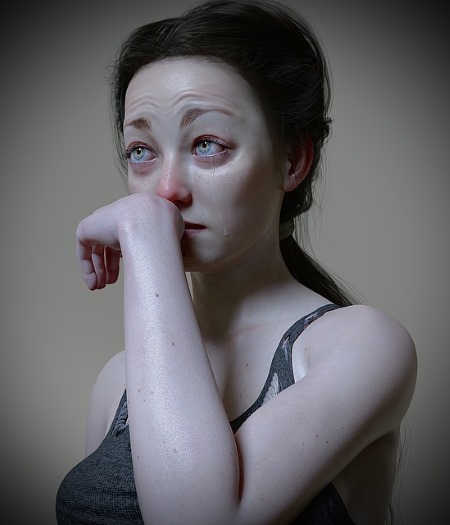
Image by Mystic Art Design from Pixabay
However, we should not confuse depression with typical “blues” or sadness.
While feeling sad or blue is a common and normal human emotion, depression is a serious and persistent mental health condition that can significantly impact a person’s daily life.
Here are some critical differences between depression and typical sadness:
Duration: Feelings of sadness or the “blues” are typically short-lived and can often be linked to a specific event or trigger, such as the end of a relationship or job loss. In contrast, depression symptoms last for weeks or months and can sometimes persist for years.
Intensity: The intensity of emotions experienced by someone with depression is much greater than the typical sadness or “blues” a person feels in response to an adverse event. Depression can lead to feelings of hopelessness, despair, and emptiness that are often overwhelming and all-consuming.
Physical symptoms: Depression can also cause physical symptoms, such as fatigue, changes in appetite, and sleep disturbances.
Functioning: A person with depression may have difficulties functioning normally in daily life, such as struggling to complete tasks or feeling disinterested in hobbies or social activities they once enjoyed.
Self-esteem: Depression often involves negative and self-critical thoughts that can lead to feelings of worthlessness and low self-esteem. In contrast, a person experiencing typical sadness or “blues” can often maintain a sense of self-worth and perspective.
Overall, while feeling sad or blue is a common and normal human emotion, depression is a severe mental health condition that requires treatment and support from a mental health professional.

Image by Mystic Art Design from Pixabay
Conclusion of Chapter
In conclusion, depression is a complex condition that can impact every aspect of a person’s life. Its symptoms can range from emotional to physical to cognitive and can be highly individualized.
Suppose a person is experiencing persistent sadness, hopelessness, or a loss of interest in activities. In that case, it may be a sign of depression, and seeking help is essential. With proper treatment and support, depression can be managed and overcome.
III. Causes of Depression
Are you born to be depressive?
Or it is from too much stress?
The answer might not be straight-forward.
Depression is complex, and many factors can contribute to its development. Some people may be genetically predisposed to depression, while others may develop it due to environmental or situational factors.
Here are some of the most common causes of depression:
Biological factors
For a long time, scientists believed that chemical imbalances in the brain were the primary cause of depression.
However, recent research suggests that this theory may not be accurate. While low levels of certain neurotransmitters like serotonin were thought to contribute to the onset or worsening of depression, new studies have found little evidence to support this.
Instead, researchers now believe depression is caused by a combination of genetic, environmental, and individual factors. While depression is a multi-faceted condition that is difficult to treat, medications that affect specific neurotransmitters in the brain may be helpful.
But what works for one person may not work for another.
Researchers are still trying to understand the mechanisms of depression and the role that neurotransmitters play.
Genetics
Research has shown that depression can run in families. This phenomenon suggests that there may be a genetic component to the condition. However, genetics alone do not directly cause depression and only make a person more susceptible to it.
Trauma
Traumatic events, such as the death of a loved one, a divorce, or a severe illness, can trigger depression in some people.
Chronic stress
Chronic stress can also contribute to the development of depression. When the body is constantly under stress, it can lead to an overproduction of certain hormones, such as cortisol, which can affect mood.
Physical illness
Certain physical illnesses, such as cancer, heart disease, and chronic pain, can contribute to depression. It may be due to the stress and lifestyle changes associated with these conditions and their physical toll on the body.
Substance abuse
Substance abuse, including alcohol and drug abuse, can also contribute to depression. It may be due to the effect that drugs and alcohol have on the brain and the social and lifestyle factors associated with addiction.
Chapter Conclusion
It’s important to note that depression can have multiple causes, and what triggers one person’s depression may differ from what triggers another person’s. Additionally, not everyone who experiences a potential cause of depression will necessarily develop the condition.
Depression is a treatable condition, and with the proper support and treatment, people can learn to manage their symptoms and improve their quality of life.
Treatment options may include therapy, medication, lifestyle changes, and self-care techniques. With proper treatment and support, people with depression can recover and live fulfilling lives. We will look into this in more detail later on.
IV. Types of Depression
Major depression, bipolar disorder, postpartum depression…
How many types of depression are there?
Let’s find out!
Depression is a complex condition, and there are several different types of depression that people can experience. Each type of depression has its own set of symptoms and causes.
Here are the most common types of depression:
Major depressive disorder (MDD)
This is the most common type of depression, and it’s what most people think of when they hear “depression.”
It’s a severe condition that can make people feel really sad, hopeless, and uninterested in things they used to enjoy.
The symptoms of MDD can vary but usually include feeling sad most of the time, losing interest in hobbies or activities, changes in appetite or weight, trouble sleeping, feeling tired a lot, feeling worthless or guilty, having difficulty concentrating, and even thinking about hurting oneself.
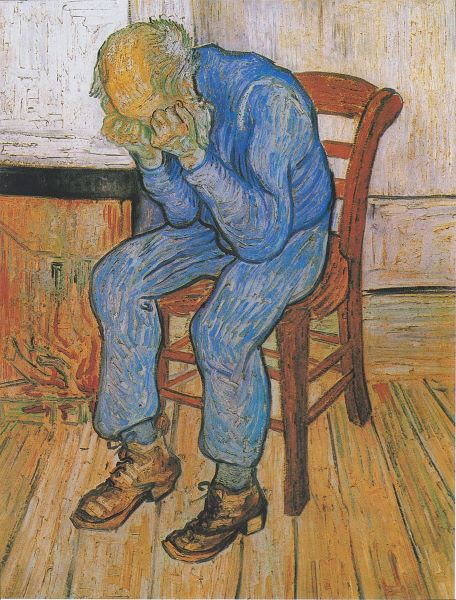
File:Van Gogh – Trauernder alter Mann.jpeg. In Wikipedia.
We’re unsure what causesMDD, but it’s likely a mix of genetics, environment, and biology. Life events like trauma, loss, or stress can also make it worse.
Luckily, there are ways to manage MDD. While some people may take medication or go to therapy, others find that exercise, a healthy diet, and getting enough sleep can help too.
Persistent depressive disorder (PDD)
It is a type of depression that lasts for a long time, at least two years in adults and one year in children and adolescents. It’s sometimes called “persistent” or “chronic” depression because the symptoms can last for so long.
People with PDD often experience a low mood that lasts most of the day, almost every day, for two years or more. Other common symptoms include a lack of interest or pleasure in activities that used to be enjoyable, low energy or fatigue, changes in appetite or weight, difficulty sleeping, feelings of hopelessness or worthlessness, and difficulty concentrating or making decisions.

While these symptoms may not be as severe as those of Major Depressive Disorder (MDD), they can still significantly impact a person’s daily life. It’s not uncommon for people with PDD to have trouble with work or school, experience relationship difficulties, or have a negative outlook on life.
It’s also worth noting that some people with PDD may experience periods of more severe depression, known as “double depression.” This condition can happen when a person with PDD experiences a major depressive episode on top of their chronic, low-grade depression.
Bipolar disorder
Bipolar disorder, also known as manic-depressive illness, is a mental health condition that affects a person’s mood, energy level, and ability to function. It’s different from regular mood swings because the mood changes are much more extreme and can last for days or even weeks.
People with bipolar disorder experience two types of episodes: manic episodes and depressive episodes. Manic episodes are times when a person feels energized and “high.” They may talk quickly, have racing thoughts, and feel they can accomplish anything. They may also engage in risky behaviors, such as spending a lot of money or engaging in sexual activity.
On the other hand, depressive episodes are times when a person feels very sad, hopeless, and empty. They may lose interest in things they used to enjoy, have trouble sleeping, and feel tired or agitated. They may also have thoughts of suicide.

Image by Ryan McGuire from Pixabay
The exact cause of bipolar disorder is not known. Still, it may be a combination of genetic, environmental, and biological factors. People with a family history of bipolar disorder or who have experienced traumatic events may be at a higher risk for developing the condition.
Treatment for bipolar disorder usually involves a combination of medication and therapy. Mood stabilizers, such as lithium or valproic acid, can help reduce the frequency and severity of manic and depressive episodes.
Therapy, such as cognitive-behavioral therapy (CBT), can help individuals learn coping strategies and improve their mood.
Postpartum depression
It is a type of depression that can affect new mothers, typically within the first few weeks or months after giving birth. It’s not uncommon, and it’s important to know that it does not reflect a woman’s ability to be a good mother.
PPD can cause emotional and physical symptoms, making it difficult for a new mother to care for herself and her baby.
Some of the emotional symptoms of PPD include:
- Feeling sad, empty, or hopeless
- Crying more often than usual
- Feeling anxious or worried
- Feeling irritable or angry
- Having trouble bonding with the baby
- Feeling guilty or ashamed
- Losing interest in things that used to be enjoyable
- Having thoughts of harming oneself or the baby
PPD can also cause physical symptoms, such as:
- Trouble sleeping or sleeping too much
- Changes in appetite or weight
- Fatigue or low energy
- Difficulty concentrating or making decisions
- Headaches or stomach problems
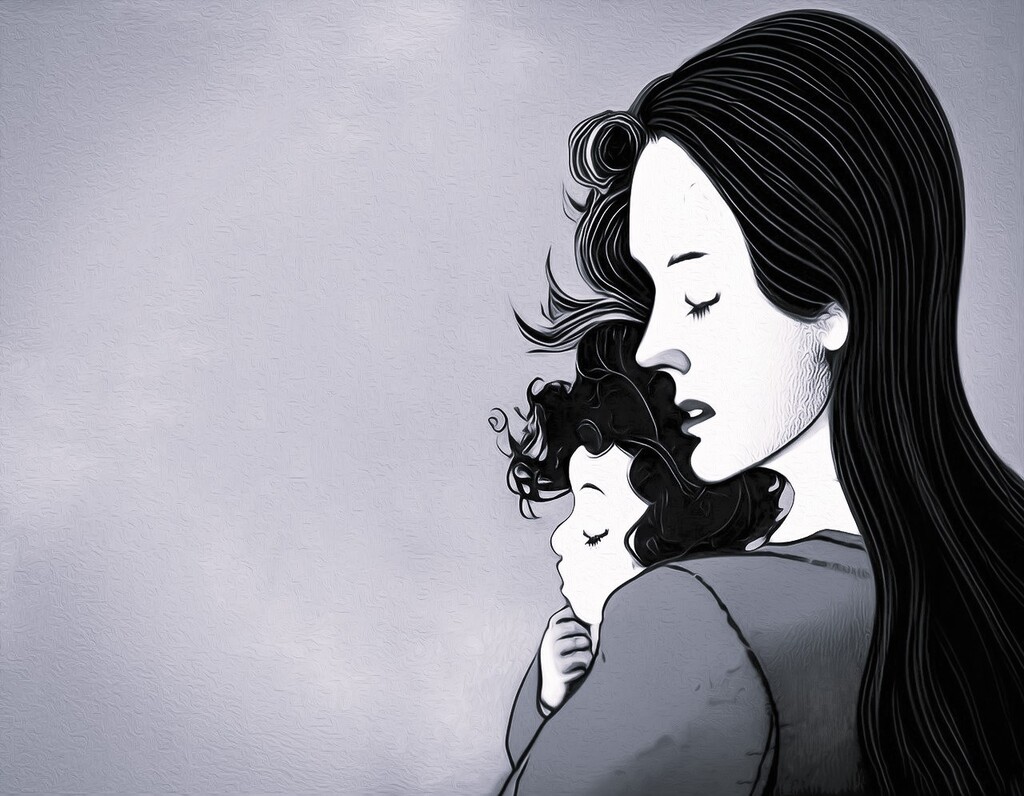
Image by Free Fun Art from Pixabay
It’s important to note that some of these symptoms are common in the early weeks and months of motherhood. However, if the symptoms persist for over two weeks or interfere with a new mother’s ability to care for herself or her baby, it may be PPD.
The causes of PPD are not fully understood. Still, it’s believed to be related to hormonal, psychological, and environmental factors. Women with a history of depression or anxiety, who have a difficult pregnancy or childbirth, or who lack social support may be at a higher risk of developing PPD.
It’s also worth noting that PPD can vary in severity. Some women may experience mild symptoms that go away on their own. In contrast, others may experience more severe symptoms that require treatment.
Seasonal affective disorder (SAD)
It is a type of depression related to seasonal changes. It typically starts in the fall or winter and can last until spring or early summer.
People with SAD may experience symptoms similar to depression, such as feeling sad, hopeless, or anxious. They may also experience changes in their appetite or sleep patterns, feel tired or lethargic, and have difficulty concentrating or making decisions.

Image by StockSnap from Pixabay
The exact cause of SAD is unknown, but it’s thought to be related to the changes in daylight during the winter months. The lack of sunlight can disrupt a person’s circadian rhythm, the body’s internal clock regulating sleep, and other biological processes.
Psychotic depression
It is a type of depression that can cause a person to experience symptoms of psychosis. This means they may have false beliefs (delusions) or hear or see things that aren’t real (hallucinations).
People with psychotic depression may also experience symptoms of depression, such as feeling sad, hopeless, or anxious. They may also have changes in appetite or sleep patterns, feel fatigued or lethargic, and have difficulty concentrating or making decisions.
Chapter Conclusion
Remember that depression can be a complex condition, and many people may experience symptoms of multiple types of depression.
If you or someone you know is experiencing symptoms of depression, please seek help from a medical professional. With proper treatment and support, people with depression can recover and live fulfilling lives.
Treatment options may include therapy, medication, lifestyle changes, and self-care techniques.
V. Demystifying Depression
Are women more likely to have depression?
Only weak people will get depression?
Let’s bust all these myths.
Depression is a severe medical condition affecting millions worldwide, but myths and misconceptions surround it. These myths can make it harder for people to understand the disease and seek the help they need.
Let’s look at some of the most common myths about depression and debunk them.
Myth #1: Depression is a sign of weakness.
One of the most persistent myths about depression is that it is a sign of weakness or a personal failing.
Depression isn’t a sign of weakness – if it were, all those tough guys in action movies would never get depressed, and we all know that’s not true!
Depression is a medical condition that can affect anyone, regardless of their strength or character. It is caused by a complex interaction of genetic, environmental, and lifestyle factors.
Myth #2: Depression is just a bad mood.
If only it were that simple! Unfortunately, the truth is far less straightforward, and I’m not just saying that to be a downer.
Depression is a bona fide medical condition that necessitates proper treatment. No amount of ice cream, rom-coms, or cute cat videos can cure it.
Trust me; if it were that easy, many mental health professionals would be unemployed.
Myth #3: Only women get depression.
While it is true that women are more likely to be diagnosed with depression than men, depression can affect anyone regardless of gender.
Yes. Depression doesn’t care about gender – it’s an equal opportunity mood destroyer. So don’t worry, guys; you’re not immune to it either!
The truth is that men are often less likely to seek help for depression, which can lead to them being underdiagnosed.

Image by NoName_13 from Pixabay
Myth #4: You can’t be depressed if you’re successful.
Success and happiness do not immunize a person from depression. Depression is a medical condition that can affect anyone, regardless of their social status or achievements.
Myth #5: Depression is a normal part of aging.
Depression is not a normal part of aging. While it is true that older adults are more likely to experience depression, it is not a standard or inevitable part of the aging process.
Older adults need to seek help if they experience symptoms of depression.
Myth #6: Antidepressants are addictive.
So, did you hear the one about the depressed ant who went to the pharmacist? He said, “I need something to lift my mood.” The pharmacist said, “Have you tried antidepress-ants?” And the ant replied, “No, but I hear they’re not addictive. I don’t want to end up in an ant-rehab program!”
Okay, maybe that was a bit of a dad joke, but I hope it at least brought a smile to your face! But seriously, the only thing you’ll be addicted to when taking antidepressants is feeling better. So don’t worry. You won’t have to trade one addiction for another.
Chapter Conclusion
By understanding and debunking these myths about depression, we can help to break down the stigma surrounding the condition and encourage people to seek the help they need.
If you or someone you know is experiencing symptoms of depression, don’t hesitate to seek help from a medical professional. Depression is a treatable medical condition; with the proper treatment, people can recover and lead happy, healthy lives.
VI. Getting Help for Depression
Can you talk people out of depression?
How about put them into a light room?
There are other interesting remedies too.
Image by Oliver Bender from Pixabay
Depression is a medical condition that can be treated in various ways. The type of treatment that is most effective for a person will depend on the severity of their depression, their personal preferences, and other factors.
Here are some of the most common treatment options for depression.
Talk therapy
Talk therapy, also known as psychotherapy, is a type of treatment that involves talking to a therapist or counselor.
This treatment is often a first-line treatment for mild to moderate depression. However, it can also combine with other treatments for more severe depression.
Talk therapy provides a safe and confidential space for individuals to discuss their thoughts, feelings, and experiences. It can help individuals better understand their emotions, behaviors, and thought patterns and develop skills to cope with difficult situations.
The therapist will work with the individual to identify negative thinking and behavior patterns and help them develop new, more positive ones.
Several different types of talk therapy are available to treat depression.
Some of the most common types include:
Cognitive behavioral therapy (CBT): CBT is a type of therapy that focuses on changing negative thought patterns that contribute to depression. The therapist works with the individual to identify negative thoughts and helps them develop more positive and productive ways of thinking.
Interpersonal therapy (IPT): IPT is a type of therapy that focuses on improving the individual’s relationships with others. The therapist helps individuals identify interpersonal problems that may contribute to their depression and works with them to develop strategies to improve their relationships.
Psychodynamic therapy: This type of therapy focuses on exploring the unconscious mind and unresolved conflicts from the past that may be contributing to the individual’s depression. The therapist helps individuals gain insight into their emotions and experiences and develop strategies to cope with difficult situations.
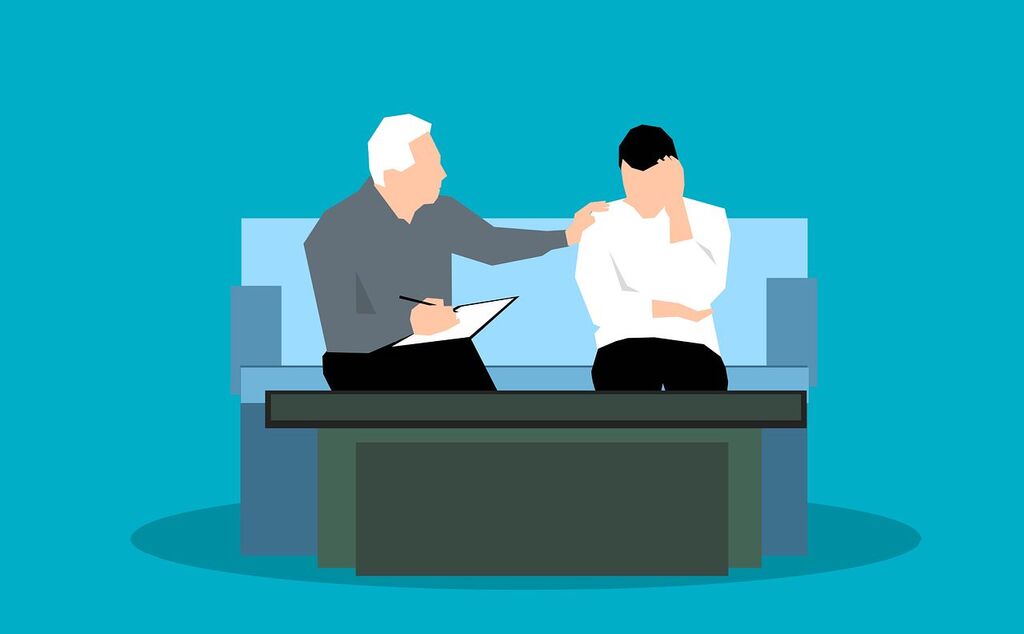
Image by Mohamed Hassan from Pixabay
Talk therapy is generally conducted on a one-on-one basis. However, group therapy can also be beneficial for some individuals. The frequency and duration of therapy sessions will vary depending on the individual’s needs and the type of therapy.
It is important to note that talk therapy is not a quick fix for depression. It may take several sessions before individuals begin to see improvements. However, it can be a very effective treatment for depression. It can provide long-term benefits for individuals who commit to the process.
If you are experiencing symptoms of depression, talking to a mental health professional about talk therapy may be an excellent first step toward feeling better.
Medication
Medication therapy is another standard treatment option for depression.
Antidepressant medication often helps alleviate the symptoms of depression by altering the levels of certain chemicals in the brain, such as serotonin and norepinephrine.
These chemicals regulate mood, and increasing their levels can help improve mood and reduce feelings of depression.
There are several different types of antidepressant medications, including:
Selective serotonin reuptake inhibitors (SSRIs), such as fluoxetine (Prozac or Oxactin, paroxetine (Seroxat), and sertraline (Lustral).
Serotonin-norepinephrine reuptake inhibitors (SNRIs), such as Duloxetine (Cymbalta), Levomilnacipran (Fetzima), and Venlafaxine (Effexor XR).
Tricyclic antidepressants (TCAs), such as Amitriptyline, Desipramine (Norpramin), and Imipramine (Tofranil).
Monoamine oxidase inhibitors (MAOIs), such as selegiline, isocarboxazid, phenelzine, and tranylcypromine.

Image by Jerzy Górecki from Pixabay
Each type of medication works differently, and the prescribed medication will depend on the individual’s symptoms and medical history.
Medication therapy is not a one-size-fits-all solution; finding the proper medication and dosage can take time. Some individuals may need to try several different medications before finding one that is effective for them.
Additionally, it can take several weeks for antidepressant medications to take effect. Individuals should continue taking their medication as prescribed even if they do not see immediate results.
Medication therapy may be used alone or in combination with talk therapy. Sometimes, a combination of medication and therapy can be more effective than either treatment alone. Working closely with a healthcare provider to find the best treatment plan for your needs is essential.
While antidepressant medication can treat depression, some potential side effects and risks are associated with their use. Some individuals may experience side effects such as nausea, headache, or difficulty sleeping.
In rare cases, antidepressant medication can also increase the risk of suicidal thoughts or behavior, particularly in children and adolescents. For this reason, it is paramount to work closely with a healthcare provider and monitor any changes in symptoms or side effects.
In summary, medication therapy can be an effective treatment option for depression as part of a comprehensive treatment plan. But it would be best to work closely with a healthcare provider to find the best medication and dosage for your needs. Also, monitoring any changes in symptoms or side effects is critical.
Exercise
Exercise can be an effective therapy for depression. It is a natural and accessible way to improve mood and overall well-being. It can be used as part of a comprehensive treatment plan.
Exercise can release endorphins, which are chemicals in the brain that promote feelings of happiness and reduce feelings of pain and stress. Ultimately, it helps alleviate the symptoms of depression and improve overall mood.
Exercise can also increase levels of serotonin and norepinephrine in the brain, neurotransmitters that regulate mood.
In addition to its direct effects on the brain, exercise can provide a sense of accomplishment and boost self-esteem. It can be crucial for individuals with depression, who may feel a lack of motivation and a sense of helplessness.
Several types of exercise can benefit individuals with depression, including aerobic exercise, strength training, and yoga.
Aerobic exercises are particularly effective in improving mood and reducing symptoms of depression. Running and cycling are two types of aerobic exercises.
Strength training can also be beneficial, as it can help build muscle and increase overall physical strength, which can help boost self-esteem.
Yoga and other forms of mindful movement can also be helpful, as they can provide a sense of calm and relaxation.

Image by Mabel Amber from Pixabay
However, while sweating it out at the gym can do wonders for your mental health, it’s not a magical cure that will disappear all your problems. Think of it as a trusty sidekick that will work best with other treatments like medication or talk therapy. You wouldn’t go to battle with just one weapon in your arsenal, would you?
Now, I know what you’re thinking. “But, I’m not exactly a fitness guru. I can barely make it up a flight of stairs without huffing and puffing!” Well, no worries, my friend. Start slow and steady, just like the tortoise in that classic fable. Let’s start with a stroll around the block or some gentle stretching. You can gradually increase the exercise as your body gets used to it.
And one last thing – listen to your body! It’s important not to push yourself too hard, or you might feel like a pancake run over by a steamroller. Don’t be a hero and risk injury or burnout.
Overall, exercise can be a valuable therapy for depression that can easily incorporate into your daily life. It is a natural and effective way to improve mood and overall well-being in conjunction with other treatments for depression.
Light therapy
Light therapy is a type of therapy that involves exposure to bright light. It is often used to treat seasonal affective disorder (SAD). This depression occurs during the fall and winter months when there is less sunlight.
The theory behind light therapy is that exposure to bright light can help normalize circadian rhythms. This internal biological clock regulates sleep-wake cycles and other physiological processes. This action, in turn, can help alleviate the symptoms of depression.
Light therapy involves sitting in front of a special light box for a set amount of time each day, typically in the morning.
The light box emits a bright, full-spectrum light much brighter than ordinary indoor lighting. The recommended duration and intensity of light therapy can vary depending on the individual and the severity of their symptoms.

Light therapy. (2023, January 10). In Wikipedia.
Light therapy is generally considered safe and has few side effects. However, it is a must to use a high-quality light box that emits the correct intensity and wavelength of light and to follow the manufacturer’s instructions carefully. Moreover, avoid looking directly at the light, as this can cause eye damage.
While light therapy is most commonly used to treat the seasonal affective disorder, it may also be effective in treating other types of depression. However, more research is needed to understand its effectiveness and how it works fully.
Light therapy is not a substitute for other treatments for depression, such as medication or talk therapy. It is best used as part of a comprehensive treatment plan that includes a variety of interventions.
In summary, light therapy can be valuable for depression, particularly for individuals with seasonal affective disorder. It is a safe and effective way to regulate circadian rhythms and improve overall mood and well-being.
If you think light therapy may be helpful for you, talk to your healthcare provider to determine the best course of treatment for your individual needs.
Alternative therapies
Alternative therapies for depression are those treatments that fall outside of conventional medication and talk therapy.
While there is limited scientific evidence to support their effectiveness, many people with depression find them helpful in a holistic approach to managing their symptoms.
Some alternative therapies for depression include:
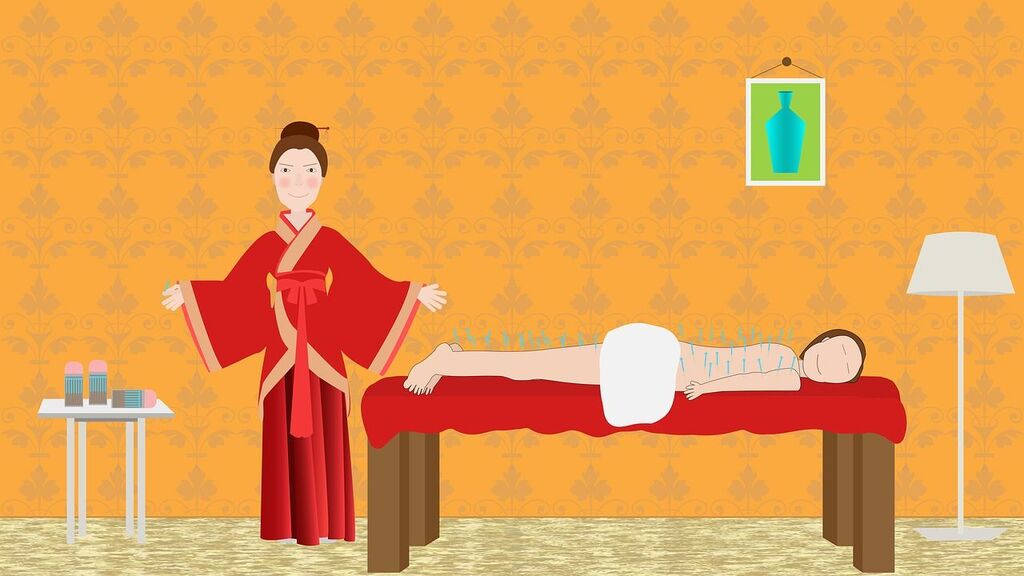
Acupuncture: Acupuncture involves the insertion of tiny needles into specific points on the body to stimulate energy flow and promote healing. Some studies have shown that acupuncture may be effective in reducing symptoms of depression.
Yoga: Yoga is a mind-body practice that combines physical postures, breathing exercises, and meditation. Studies have shown that yoga may effectively reduce symptoms of depression, anxiety, and stress.
Meditation: Meditation involves training the mind to focus and be present at the moment. It is effective in reducing symptoms of depression and improving overall well-being.
Massage therapy: This type of therapy involves manipulating muscles and soft tissues to promote relaxation and reduce stress. It is effective in reducing symptoms of depression and anxiety.
Herbal and other supplements: Some supplements may be effective in reducing symptoms of depression, such as St. John’s wort and omega-3 fatty acids. However, please talk to your healthcare provider before taking any supplements. They can interact with other medications and may have potential side effects.
Alternative therapies should not be used as a substitute for conventional treatments for depression, such as medication or talk therapy. They are best used as part of a comprehensive treatment plan that includes a variety of interventions.
If you are interested in trying an alternative therapy for depression, talk to your healthcare provider to determine the best treatment for your individual needs. They can help you decide which therapies may be effective and how to incorporate them into your treatment plan safely.
Electroconvulsive therapy
Electroconvulsive therapy, or ECT, treats severe mental health conditions, including depression. It involves passing a small electric current through the brain, which causes a brief seizure. This seizure can help to improve the symptoms of depression in some people.
ECT is usually recommended when other treatments, such as medication and therapy, are ineffective. It is often for people who are experiencing severe symptoms of depression, such as suicidal thoughts, and who need rapid relief.
Before undergoing ECT, a person will receive a general anesthetic and a muscle relaxant. This preparation prevents them from feeling any pain or discomfort during the procedure.
Electrodes are then placed on the scalp, and a small electrical current is passed through the brain. This current causes a brief seizure, which usually lasts for less than a minute.

Electroconvulsive therapy by McLean Hospital.
While ECT may sound scary or intimidating, it is a safe and effective treatment for many people. Some people may experience side effects after the procedure, such as headaches, muscle aches, or confusion. However, these side effects are usually temporary and can be managed with medication or other treatments.
If you or a loved one are considering ECT, you must talk to a mental health professional to determine the right treatment option.
Chapter Conclusion
In conclusion of depression treatment, it’s important to remember that everyone’s experience with it is unique. So what worked for your best friend or cousin might not work for you. Don’t worry, though – that’s totally normal and okay!
If you’re experiencing symptoms of depression, you need to seek help from a mental health professional. They are like the superheroes of the mental health world, with all the skills and tools to help you kick depression’s butt.
They’ll work with you to develop a personalized treatment plan that suits your needs and helps you feel like yourself again. It’s like having a trusty sidekick on your journey to mental wellness!
* Other Resources
If you or someone you know is struggling with depression, many resources are available for help and support.
Here are some resources to consider:
Suicide Prevention Lifeline: If you are in crisis or experiencing suicidal thoughts, you can call the suicide prevention lifeline to speak with a trained crisis counselor. The lifeline is available 24/7 and provides confidential support to people in distress.
In the US: 988 Suicide & Crisis Lifeline. Text/call 988.
In Canada: Talk Suicide Canada. Text/call 1.833.456.4566.
SAMHSA National Helpline: The Substance Abuse and Mental Health Services Administration (SAMHSA) in the US provides a national helpline offering free and confidential treatment referral and information services for individuals and families facing mental health and substance abuse issues. You can access the helpline at 1-800-662-HELP (4357).
Local mental health clinics: Many communities have mental health clinics that offer affordable counseling and therapy services for individuals with depression and other mental health conditions. You can search for a clinic near you on the SAMHSA website.
Online therapy services: Online therapy services like BetterHelp, Talkspace, and Amwell offer convenient and affordable counseling and therapy services that a person can access from anywhere with an internet connection.
Support groups: Many organizations offer support groups for individuals with depression and their loved ones. These groups provide a safe and supportive environment to share experiences and receive encouragement and support from others who understand what you’re going through.

Image by Rondell Melling from Pixabay
Remember, seeking help for depression is a sign of strength, not weakness. Don’t hesitate to seek help if you’re struggling with depression. You deserve to live a happy and fulfilling life, and many resources are available to help you achieve that goal.
VII. Conclusion
Depression is a debilitating illness.
But many types of treatment are available.
Get your bonus at the end!
In conclusion, depression is a common mental health condition affecting millions worldwide.
While it can be a debilitating illness, it is also highly treatable. The key is to recognize the symptoms of depression, understand the causes and risk factors, and seek help from a healthcare professional.
Treatment options for depression include medication, talk therapy, exercise, light therapy, and alternative therapies. It is important to remember that everyone’s experience with depression is unique, and what works for one person may not work for another.
However, with the proper treatment and support, most people with depression can achieve a full and satisfying life. If you are struggling with depression, know that you are not alone, and help is available. Reach out to your healthcare provider or a mental health professional today to take the first step toward healing.
Bonus
Beck’s Depression Inventory is a questionnaire asking people to rate their feelings on different items, like if they’ve felt sad, tired, or guilty. There are 21 items in total. People rate each item on a scale of 0 to 3, depending on how much they’ve felt that way over the past two weeks. From 0 to 63, the higher the total score, the more severe the depressive symptoms.
Doctors and researchers often use the questionnaire to screen for depression and track changes in depressive symptoms. However, it’s important to remember that it’s not a tool used to diagnose depression and should be used alongside a clinical assessment by a mental health professional.
You can download the Beck’s Depression Inventory pdf file here.
Here is the video version