Behavioral disturbances in dementia patients are a common and complex problem for caregivers. They can range from mild to severe and can be caused by many factors.
In this post, we will explore specific dementia behaviors and strategies for caregivers to avoid many headaches that come with them.

What are the most common Behavioural changes seen in dementia?
Dementia behavioral disturbances include agitation, aggression, and many others that could significantly impact an individual’s life and bring caregivers painful experiences.
Agitation is one of the most common behavioral problems in people with dementia.
The person may show restlessness, irritability, and an inability to concentrate on tasks.
In the worse form, the person may have physical aggression, such as hitting or pushing others or throwing objects. Others may exhibit aggressive verbal behavior, such as shouting or swearing at those around them.

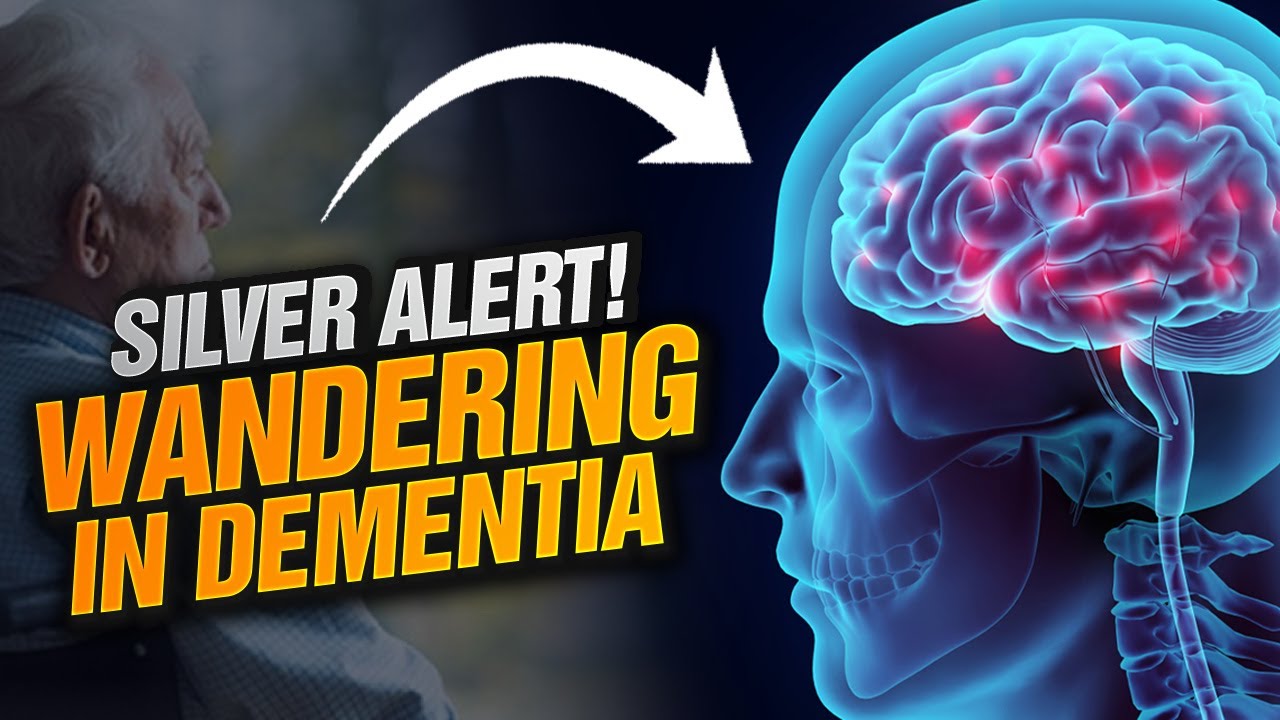
Wandering is another expected behavior among people with dementia that can be physically dangerous and emotionally distressing for caregivers.
The person may wander away from home without any apparent purpose or destination. This behavior can put them at risk of harm if they become lost or disoriented in unfamiliar surroundings.
Repetitive behaviors such as pacing or rocking are also seen in many individuals with dementia.
These behaviors serve no apparent purpose but can be highly disruptive to daily activities like eating meals or sleeping through the night.
Verbal outbursts are another repetitive behavior when someone speaks loudly without making sense.
This outburst can be incredibly upsetting for family members who don’t understand what their loved one is trying to communicate.
Sleep disturbances are yet another symptom of dementia that can significantly impact the quality of life for individuals living with the condition and their caregivers.
The person often experiences difficulty falling asleep due to anxiety about memory loss and confusion about where they are located during nighttime hours.
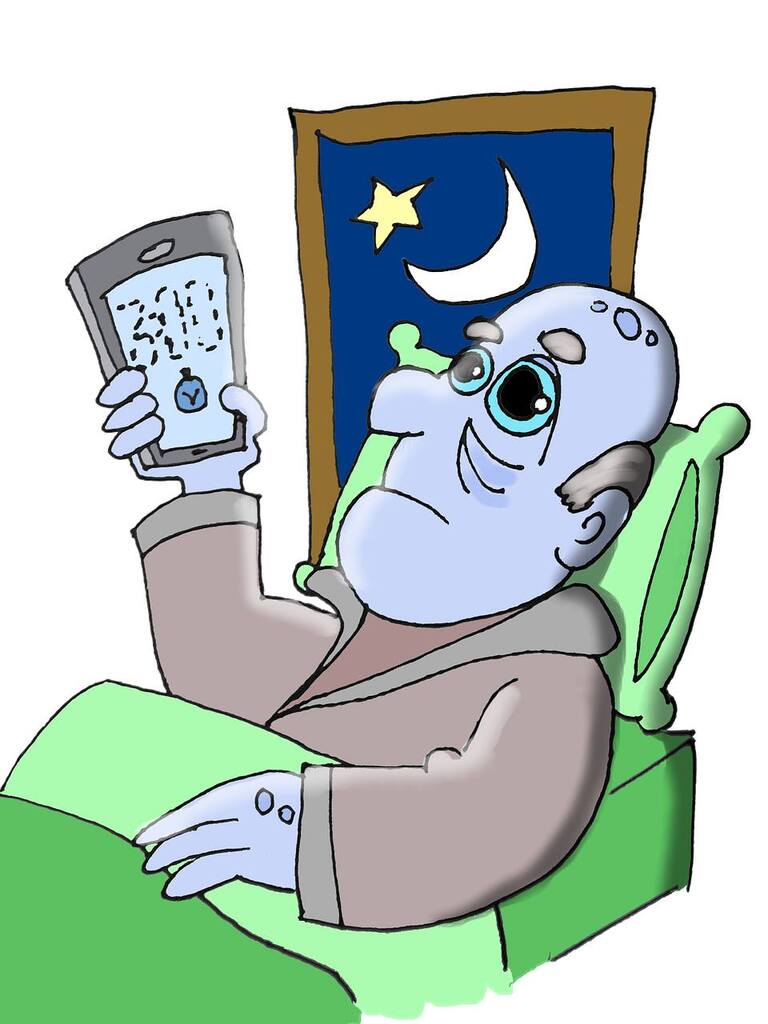
Image by Erik Erik from Pixabay
Hallucinations, delusions, or paranoia are common symptoms of dementia in elderly patients.
Hallucinations are false perceptions that a person experiences without external stimuli, such as hearing voices or seeing things that aren’t there.
Delusions are false beliefs a person holds on to despite evidence to the contrary, like believing someone is stealing from them when no one is present.
Paranoia is an irrational fear of being harmed by others, even when there is no real threat.

Hoarding or rummaging in dementia patients is a common behavior that can be distressing for the patient and their family members.
Hoarding is collecting items, often of little or no value, and storing them in an organized manner.
Rummaging is similar to hoarding but involves searching for objects of interest through drawers, cupboards, closets, and other areas.
Hoarding and rummaging are coping strategies used by people with dementia to make sense of their environment.
The person may hoard items such as old newspapers, magazines, clothing, or food because they feel it will help them remember something important from the past.
They may also rummage through drawers looking for something they need or think they need.
This behavior can be very disruptive as it can lead to clutter in the home, creating a hazardous living environment.

Sundowning is the late afternoon confusion that can last into the night. It is characterized by confusion, anxiety, aggression, or ignoring directions. It can also lead to pacing or wandering.

What are common behavioral triggers for patients with dementia?
Behavioral disturbances in dementia patients are common and can be caused by many factors.
Dementia is a progressive neurological disorder of memory loss, confusion, and problem-solving and communication difficulties. As the disease worsens, behavioral disturbances may become more frequent and severe.
One of the most common causes of behavioral disturbances in dementia patients is environmental triggers.
These could include loud noises, bright lights, unfamiliar people or places, changes to routine, or even something as simple as being asked to complete an unfamiliar task.

All of these things can cause confusion and agitation in someone with dementia. They then respond with disruptive behaviors such as yelling or physical aggression.
Another major factor contributing to behavioral disturbances in dementia patients is medical issues such as pain or infection.
Conditions like arthritis or urinary tract infections can cause significant distress for someone with dementia. But they often have trouble telling others about their discomfort due to cognitive impairment.
In addition, medications that they are taking may have adverse effects and interactions that can lead to increased agitation and disorientation.
Other causes of behavioral disturbances include:
- Clutter
- Lack of stimulation or boredom
- Too much activity or sensory overload
- New or unfamiliar caregivers
- Lack of routine
- Room temperature too hot or too cold
- Clothes too tight or shoes too small
How do you manage challenging behavior dementia?
Overall, understanding the potential causes behind behavioral disturbances in dementia patients is the key. It will allow caregivers to better manage these issues through tailored interventions designed specifically for each case.
These include environmental modifications such as:
- Providing a safe and comfortable living space.
- Engaging in activities that promote relaxation and reduce stress, such as talking walks outside, playing games like cards or chess, engaging in art projects together, etc.
- Providing structure to the day by setting regular times for meals, exercise, and rest.

Image by ❄️♡?♡❄️ Julita ❄️♡?♡❄️ from Pixabay
Medications can sometimes treat specific symptoms.
- Antipsychotic medications (e.g., risperidone) can treat hallucinations or delusions.
- Painkillers may relieve pain.
- Antibiotics can cure symptoms related to urinary tract infections.
With the right approach, caregivers can help reduce the frequency and intensity of these behaviors and improve the quality of life for their loved ones.
*Talk to your doctor for medical advice.
Conclusion
So far, we have talked about specific dementia with behavioral disturbances, their causes, and coping strategies for caregivers.
Please comment below with your thoughts or if I missed anything.


