Aging is as natural as the sun rising in the east, yet so convoluted. As a seasoned geriatric nurse, I’ve been privileged to accompany countless souls through this maze of bodily transitions.
These narratives encompass four significant elements of aging: incontinence, fall risks, sleep pattern changes, and skin conditions.

Image by Alexander Fox | PlaNet Fox from Pixabay
Urinary incontinence
Let’s open the chapter with incontinence, exemplified by two individuals from my practice – Thomas, a 67-year-old retiree, and Mary, a 73-year-old painter. Both relished their passions in solitude, disrupted only by their frequent, urgent dashes to the restroom.
Thomas grappled with urinary incontinence, a common issue in older men, often linked to prostate problems.
As men age, the prostate gland can enlarge and compress the urethra, causing difficulties in bladder control. In Thomas’s case, benign prostatic hyperplasia (BPH) or enlarged prostate was the main culprit.
A regimen of medication and bladder training techniques helped restore his serene moments in his beloved garden.
On the other hand, Mary was experiencing stress incontinence. This condition is prevalent in women due to factors such as childbirth, menopause, and the anatomy of the female urinary tract.
The weakened pelvic floor muscles could not support her bladder properly, leading to leakage when she coughed, laughed, or lifted her art supplies.
Our healthcare team introduced a regimen of pelvic floor strengthening through Kegel exercises. We advised her to adjust her fluid and caffeine intake, eventually allowing her to return to her canvas without the constant worry of leakage.
Other causes for incontinence include overactive bladder muscles, pelvic organ prolapse (bladder, rectum, or uterus), etc.
Thus, while challenging, the journey with incontinence can be navigated successfully with personalized strategies and expert guidance from geriatricians, nurses, and other healthcare professionals.
Fall risks
Patricia, an 82-year-old ex-ballet dancer, is a portrait of increased fall risks in aging adults. Her once graceful pirouettes began to waver with time, and the dread of toppling over increasingly shadowed her confidence.
Several factors contribute to this amplified risk of falling in seniors.
Age brings a natural decline in physical fitness; weakening muscles and slower reflexes can destabilize balance. For Patricia, years of rigorous dancing had taken a toll on her knees and hips, contributing to her instability.
Secondly, vision changes, such as cataracts or glaucoma, common in older adults, may distort depth perception and visual contrast, making it harder to avoid obstacles.
Also, certain medications, particularly those affecting the central nervous system, like sedatives and anti-depressants, can induce dizziness and drowsiness, heightening fall risk.
Lastly, chronic conditions like arthritis, heart disease, and neurological disorders can further compromise an individual’s balance and coordination.
Unfortunately, falls are the leading cause of injury in people over 65.
Recognizing Patricia’s challenges, the care team developed a comprehensive plan to reduce her fall risk. We began with a complete home safety evaluation, eradicating trip hazards, installing handrails, and enhancing lighting for better visibility.
Patricia also incorporated tailored exercises into her routine to strengthen her muscles and improve balance.
In due course, her home was transformed into a safe haven, a stage where she could dance to the rhythm of her memories without the apprehension of falling.
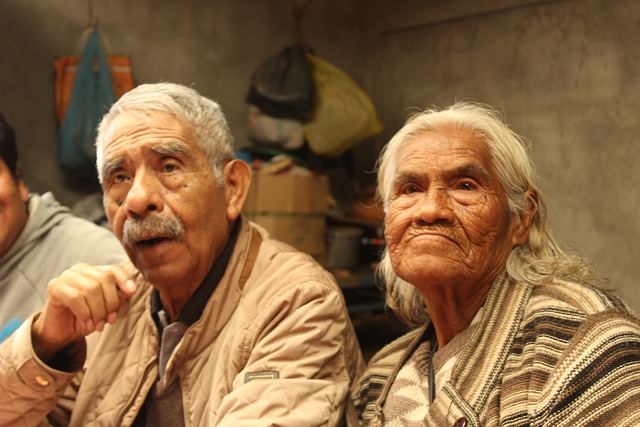
Image by Edgar Romero from Pixabay
Sleep pattern changes
Our next story focuses on sleep pattern changes, depicted by Richard, a 70-year-old former night owl. His once peaceful nights were replaced by restlessness, while his days were marred by unexpected fatigue.
This sleep disturbance is common in the elderly due to decreased deep sleep stages.
With the help of cognitive-behavioral therapy for insomnia (CBT-I), Richard learned to associate his bed with sleep again. He established a consistent sleep schedule, improving his sleep quality significantly.
Skin changes
Lastly, we encounter the issue of skin changes through Rose, a 78-year-old woman known for her once-flawless skin. Rose began to notice increasingly dry skin, age spots, and deeper lines as she aged.
Additionally, she grappled with pressure ulcers and shingles, two conditions commonly seen in older adults.
Pressure ulcers, also known as bedsores, are lesions caused by unrelieved pressure on the skin, particularly in those who are bedridden or in wheelchairs for prolonged periods.
The ulcers were an unexpected consequence of Rose’s recent hip surgery that limited her mobility.
Shingles, on the other hand, is a painful rash caused by the reactivation of the chickenpox virus, which tends to happen in individuals with lowered immunity, often due to stress or aging.
These skin changes were not merely cosmetic inconveniences but affected Rose’s overall comfort and well-being. In addition to the typical age-related changes in the skin due to declining collagen production, these conditions need to be addressed.
Rose and I partnered to create a skincare regimen that extended beyond aesthetics.
We combined gentle cleansing, ample hydration, and rigorous sun protection with a targeted approach to manage her pressure ulcers and shingles.
This included pressure relief techniques, a nutritious diet, and antiviral medications to bolster her immune system and hasten recovery.
As she embraced these changes and followed the skincare plan, Rose started to appreciate her beauty’s new definition, which carried the grace and resilience of her life’s experiences.

Each of these narratives represents the inevitable dance of aging, where incontinence, fall risks, sleep pattern changes, and skin conditions become new dance steps to master.
Yet, with knowledge, patience, and personalized strategies, my patients learned to adapt to these changes, taking control of their aging journey.
The tales narrated are ongoing chapters in the epic of aging. Every day is a fresh opportunity to maneuver life’s dance floor, with aging’s tune playing softly in the backdrop.
** Adopted from interview with geriatric nurse, Rosa Lopez


