It was a beautiful Sunday morning. Margaret, an energetic 78-year-old woman, was just finishing up her morning cup of tea.
As she rose from her favorite armchair to greet the day, her foot slipped on a loose area rug.
Within the blink of an eye, a typical Sunday morning turned into a pivotal moment in Margaret’s life, adding her to the statistics of seniors who experience severe falls each year.
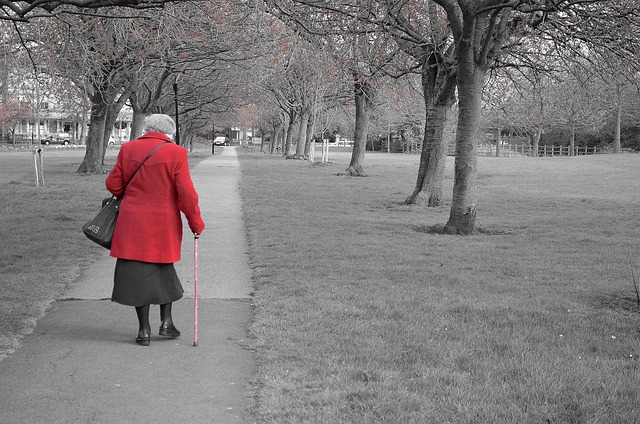
Image by PublicDomainPictures from Pixabay
Falls among seniors have become a public health concern of a grave magnitude.
According to the U.S. Centers for Disease Control and Prevention, an older adult falls every second of every day. When we crunch the numbers, that’s a staggering 29 million falls a year, accounting for one in four older adults.
But it doesn’t stop there. Fall injuries are the leading cause of both fatal and non-fatal trauma-related hospital admissions among this age group.
To put it into perspective, in just one year, 2018, nearly 3 million seniors were treated in emergency departments for fall injuries, with over 800,000 hospitalizations. And worst of all, falls directly cause more than 27,000 deaths annually among seniors.
These disquieting statistics underline an urgent need for us to understand and, more importantly, take action to mitigate the risks involved.
Each fall adds to this grim tally, and every second counts in our battle against the clock to safeguard our seniors from this clear and present danger.
🍋🍋🍋🍋🍋🍋
Let’s delve deeper into six often-overlooked age-related changes that increase the risk of falls for seniors.
1. Decreased Vision
In our first scenario, consider George, a retired professor who loves to read in the evenings.
Lately, his vision has been less sharp, causing him to frequently stumble on the living room clutter.
Age often brings changes in vision, including difficulty adjusting to light or dark rooms and perceiving depth, making everyday navigation risky.
2. Slower Reflexes
Alice, a spirited septuagenarian, used to have cat-like reflexes.
However, these days, it takes her a moment longer to react, whether it’s catching a falling glass or regaining balance after a stumble.
Age-induced sluggish reflexes can mean the difference between a near-fall experience and a hospital visit.
3. Diminished Muscle Strength
Next, we have James, an active cyclist until his late sixties.
Recently, his legs have felt weak, making it difficult to stand from a seated position without support.
Declining muscle strength and joint flexibility can make it challenging for seniors to maintain balance or recover from a stumble.
4. Imbalance and Dizziness
Meet Helen, a widowed 80-year-old who loves tending to her rose garden.
However, bouts of dizziness and imbalance, often resulting from conditions like vertigo or blood pressure fluctuations, make it dangerous for her to bend over or climb a ladder.
5. Chronic Health Conditions
Various health conditions like arthritis, diabetes, or neurological disorders can impair a senior’s stability.
Take, for instance, Richard, who lives with Parkinson’s. His unsteady gait and postural instability make him prone to falls, altering his life significantly.
6. Medication Side Effects
Lastly, Martha is a lively senior who manages multiple health conditions.
However, the medication she takes can cause side effects like dizziness or dehydration, increasing her fall risk.

Now imagine, one day, Margaret, whom we met earlier, fell hard on her kitchen floor. The experience was jarring, not just physically but emotionally too.
The accident could have been avoided had she been aware of these lurking dangers. This incident highlights the urgency of understanding and managing these risk factors to prevent such falls.
Fortunately, by understanding these risk factors, we can take practical steps to mitigate them:
- Regular eye check-ups and appropriate corrective lenses can significantly improve seniors’ vision.
- Physical activities such as tai chi or yoga can enhance reflexes and improve balance.
- Under professional guidance, strength-building exercises can increase muscle strength and joint flexibility.
- Regular health checks and managing chronic conditions can prevent sudden dizziness or imbalance.
- Reviewing medication side effects with healthcare providers and staying well-hydrated can minimize risks associated with medications.
Now let’s turn to two potent tactics for fall prevention. The quest to tackle this problem starts close to home. Literally.
Home Safety Measures
Many falls occur within the familiar home environment, where hazards may go unnoticed.
A safe home is essential for reducing senior fall risk, and there are a variety of small changes that can make a big difference:
- Rearrange Furniture: Provide clear walking paths by moving furniture, cords, or other obstacles.
- Secure Rugs: Use non-slip mats under rugs or remove them entirely to prevent tripping.
- Install Grab Bars: They can be life-saving in areas where seniors may need extra support, like in the bathroom or near the bed.
- Enhance Lighting: As vision deteriorates with age, it’s crucial to ensure all areas are well-lit to avoid falls in the dark.
- Maintain Outdoor Areas: Keep walkways and driveways free of clutter, leaves, or snow.
By making these adaptations to a senior’s living environment, the home becomes a haven rather than a minefield, significantly reducing the risks of falls.
Footwear Considerations
Another crucial but often overlooked aspect is footwear. Improper footwear can be a significant contributor to falls in the elderly.
- Fit and Comfort: Shoes should fit well and be comfortable. Oversized or tight shoes can lead to a lack of stability and an increased risk of tripping.
- Non-slip Soles: Seniors should opt for shoes with non-slip soles to prevent falls, especially on slick or uneven surfaces.
- Condition of Shoes: Worn-out shoes may lose grip or support, increasing the chance of a fall. Regularly checking the condition and replacing shoes when necessary is essential.
- Avoid Heels or Flimsy Slippers: High heels, floppy slippers, and shoes with smooth soles can make seniors unstable, increasing the risk of falls.
By combining home safety modifications and mindful footwear choices, we can make significant strides in protecting our seniors from the risk of falls.

In conclusion, age-related changes are inevitable, but they don’t have to pave the way for falls. By recognizing and addressing these changes, we can ensure a safer, more confident life for our seniors.
Remember, awareness is the first step to prevention. Let’s step forward and curb the unseen danger of senior falls today.


