[lwptoc]
Introduction
They say prevention is better than cure, but in the case of heart health, it might be more apt to say early detection is the key to effective management or even prevention.
Regarding your heart—a vital organ—embracing a proactive approach to healthcare can mean the difference between life and death.
The prevalence of heart disease is growing at an alarming rate globally, making it more critical than ever to identify potential heart attack risks as early as possible.
The good news? We have the medical advancements at our disposal to identify these risks accurately. Knowing where you stand health-wise allows you to take appropriate measures and minimize the chances of suffering a heart attack.
This is where medical tests endorsed by cardiologists come into play. From simple blood tests to more comprehensive imaging, these tests help gauge your heart health and identify potential danger signs long before they escalate into something more severe.
In this article, we dive deep into the various tests that can help identify heart attack risks.
We’ll unravel these tests, how they work, and their crucial role in helping you safeguard your heart. We also share some real-life examples to stress these diagnostic measures’ importance further.
So let’s begin this journey towards heart health awareness and proactive disease prevention.

Image by Susanne Jutzeler, Schweiz ???????? ????Thanks for Likes from Pixabay
Heart Attack: An Overview
A heart attack, medically known as a myocardial infarction, is frightening when blood flow to the heart muscle is severely reduced or blocked. This interruption in blood flow can damage or destroy part of the heart muscle, leading to serious health consequences or even death.
When you think of a heart attack, you might picture someone clutching their chest in pain. While chest pain is a common symptom, it’s essential to understand that heart attacks may present with various symptoms.
These can include discomfort or pain in the arms, back, neck, jaw, stomach, shortness of breath, and other signs such as cold sweat, nausea, lightheadedness, or unusual fatigue.
Awareness of these symptoms is crucial as early intervention significantly improves the chance of survival and recovery.
Why does a heart attack occur?
At the core, heart attacks are primarily caused by coronary artery disease (CAD), a condition in which cholesterol deposits, also known as plaques, build up in the coronary arteries — the blood vessels supplying oxygen-rich blood to your heart.
If a plaque ruptures, a blood clot can form and block the blood flow, triggering a heart attack.
Early detection and understanding of heart health are paramount in preventing heart attacks. By using the available medical tests, potential heart issues can be identified and addressed promptly, which is why the following discussion on various heart tests is vital.
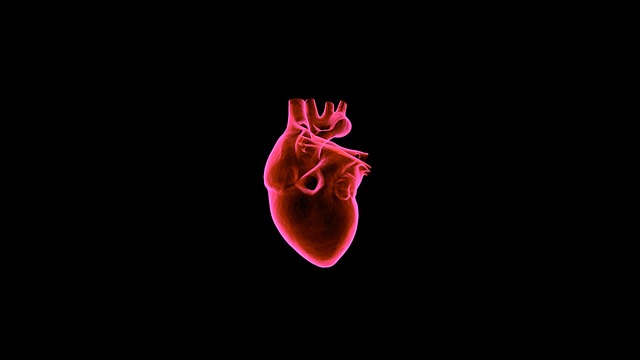
Image by Raman Oza from Pixabay
The Significance of Cardiac Testing
As we navigate our health journey, awareness is our best companion, and the knowledge we gain from cardiac testing can be invaluable.
These tests are a set of procedures that allow your doctor to gain detailed insights into the condition of your heart and circulatory system, providing essential information on how well your heart is functioning.
One might wonder, why do we need these tests?
The answer lies in the silent and often deceitful nature of heart diseases. Many heart conditions do not exhibit symptoms until they have advanced to a severe stage.
By performing cardiac testing, potential issues can be spotted and addressed even before they show outward symptoms, giving us a head start on heart health management.
Cardiac testing is not just for those experiencing symptoms or a history of heart disease. They can be crucial preventive measures even for seemingly healthy individuals. After all, risks like high cholesterol and blood pressure often don’t cause noticeable symptoms but can be detected through these tests.
Imagine the case of John, a seemingly healthy middle-aged man who went for a routine check-up and had cardiac testing as part of his preventive health regimen.
The tests revealed high cholesterol levels, putting him at risk of heart disease. This early detection allowed him to immediately manage his cholesterol levels, significantly reducing his heart attack risk.
His story illustrates how cardiac tests can save lives by enabling early intervention.
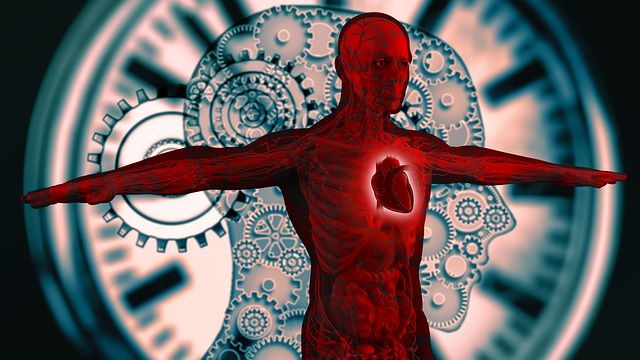
Image by Gerd Altmann from Pixabay
Blood Tests and Lipid Profile
When it comes to the identification of heart attack risks, the power of a simple blood test cannot be overstated.
Often, the first line of defense in the early detection of heart disease, blood tests provide an overall picture of your cardiovascular health and can point to potential issues long before they escalate.
One critical component of blood tests is the lipid profile, a cholesterol or lipid panel. This test measures the amount of cholesterol and triglycerides in your blood – two types of lipids that can influence your heart health.
Understanding the role of lipids is crucial.
Cholesterol, a waxy substance in your body, is needed to build cells. However, too much cholesterol can form plaques in your arteries, which can restrict blood flow and lead to heart disease.
A lipid profile assesses two main types of cholesterol – low-density lipoprotein (LDL), often called the ‘bad’ cholesterol, and high-density lipoprotein (HDL), or ‘good’ cholesterol.
LDL cholesterol is termed ‘bad’ because it contributes to plaque formation in the arteries. Conversely, HDL cholesterol is considered ‘good’ because it helps transport LDL cholesterol to your liver to be expelled from the body, thereby preventing plaque build-up.
Triglycerides, another type of fat in your blood, can raise heart disease risk when levels are too high. A lipid profile measures the level of triglycerides, providing another crucial piece to your heart health puzzle.
Let’s consider the real-life case of Susan, a middle-aged woman with no apparent health issues.
On getting her blood tests done, her lipid profile indicated high LDL and low HDL cholesterol levels, a dangerous combination for heart disease.
With this early detection, Susan was able to implement dietary changes and start medication to manage her cholesterol levels, dramatically reducing her heart attack risk.
Though seemingly ordinary, routine blood tests and lipid profiles can offer extraordinary insights into our heart health. They empower us to understand our bodies better, identify potential risks, and take proactive steps toward a healthier heart.

Image by Shameer Pk from Pixabay
Electrocardiogram (ECG/EKG)
An Electrocardiogram (ECG or EKG from the original German Elektrokardiogramm) is a fundamental test in cardiology.
It’s a simple and painless procedure that records the electrical signals in your heart. These signals can provide crucial insights into the heart’s rhythm and the timing and duration of each electrical phase in your heartbeat.
The heart is an electrical organ that contracts in response to electrical signals that circulate throughout its chambers.
An EKG translates these electrical signals into line tracings on paper, allowing doctors to identify any irregularities in your heart rhythm, such as arrhythmias, signs of previous heart attacks, or even indications that a heart attack is in progress.
Let’s consider a case study of Mark, a 50-year-old man who experienced occasional palpitations. He underwent an EKG, which revealed an irregular heart rhythm, an early warning sign of possible heart-related complications.
Based on these results, Mark consulted with his cardiologist and developed an effective treatment plan to manage his heart condition.
An EKG’s strength lies in its simplicity and non-invasive nature, providing information about the heart’s electrical activity and health.
This test serves as a cornerstone in identifying heart attack risks, and its role in early detection and preventive health care can’t be stressed enough.
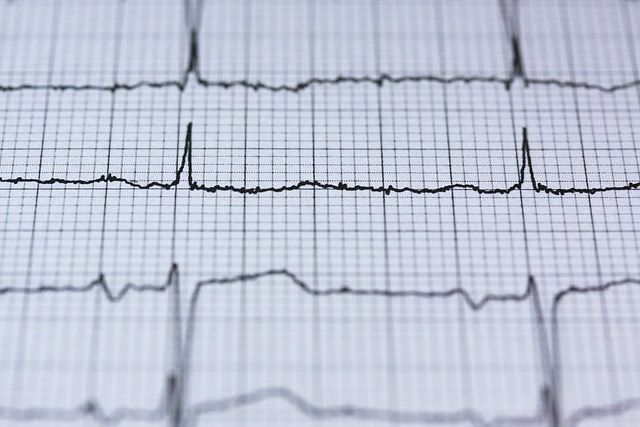
Image by Stefan Schweihofer from Pixabay
Echocardiogram and Stress Testing
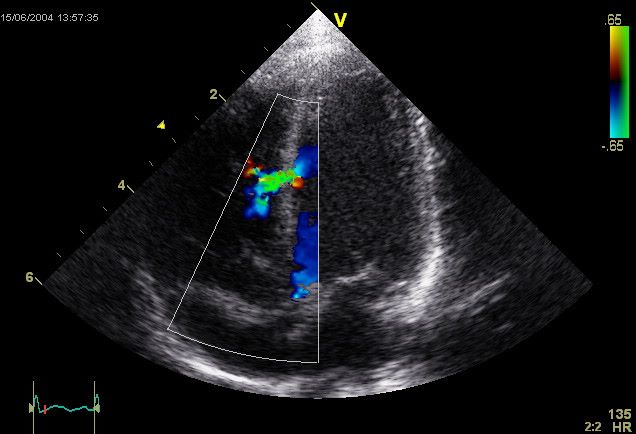
An echocardiogram is an ultrasound test that uses sound waves to create detailed images of your heart in real time.
This non-invasive procedure offers an in-depth look at the heart’s structure and function, providing valuable data about the size, shape, and movement of the heart and its valves.
It can also show how efficiently the heart pumps blood and help identify areas of the heart muscle that aren’t contracting normally due to lack of blood flow.
Imagine the case of Lisa, who was experiencing shortness of breath. An echocardiogram revealed that one of her heart valves wasn’t functioning correctly, leading to improper blood flow.
With this information, her healthcare provider could create a tailored treatment plan to address her condition.
Meanwhile, a stress test, sometimes called an exercise stress test, evaluates how well your heart handles work.
During the procedure, you’ll exercise on a treadmill or stationary bike. At the same time, your heart rhythm, blood pressure, and breathing are monitored. The test can reveal evidence of blood flow problems within the heart, especially those that manifest only during physical exertion.
Consider Robert, a seemingly fit individual who felt unusual fatigue during workouts. A stress test detected reduced blood flow to his heart during exercise, indicating blocked arteries.
This early detection led Robert to undergo further evaluations, eventually leading to a corrective procedure that significantly minimizing his risk of a future heart attack.
Both the echocardiogram and stress test are potent tools for assessing heart health. They can provide a wealth of information, aiding in early detection and management of potential heart attack risks.
Echocardiography. (2023, June 11). In Wikipedia.
Computed Tomography (CT) Scan and Magnetic Resonance Imaging (MRI)
A Computed Tomography (CT) scan, and a Magnetic Resonance Imaging (MRI) scan are advanced imaging techniques that allow for a more detailed view of the heart and surrounding structures.
These scans play a pivotal role in diagnosing and managing various heart conditions, including heart attack risks.
A CT scan uses X-rays to create detailed cross-sectional images or “slices” of the heart and blood vessels.
A specific type of CT scan, the coronary calcium scan, can even detect and measure the amount of calcium in the coronary arteries – indicating plaque buildup and potential heart disease. It can be used as an early detection tool.
In the case of Emily, a coronary calcium scan revealed significant calcium deposits in her coronary arteries, pointing toward the onset of heart disease.
This early detection spurred Emily to make substantial lifestyle changes and follow a medication regimen to manage her condition.
On the other hand, an MRI uses a strong magnetic field and radio waves to create comprehensive and precise images of the heart. This test can detect damage to the heart muscle, structural problems, and even problems with the heart’s valves.
Consider Paul, who was experiencing recurring chest pain. An MRI revealed an abnormality in his heart muscle, suggesting a previously undetected heart attack.
Prompt diagnosis allowed Paul to receive the required treatment and manage his heart condition effectively.
CT and MRI scans can offer invaluable insights into the state of your heart, providing a detailed peek inside your body.
This wealth of information can help your healthcare provider diagnose more accurately, formulate an effective treatment plan, and monitor your heart’s condition over time.
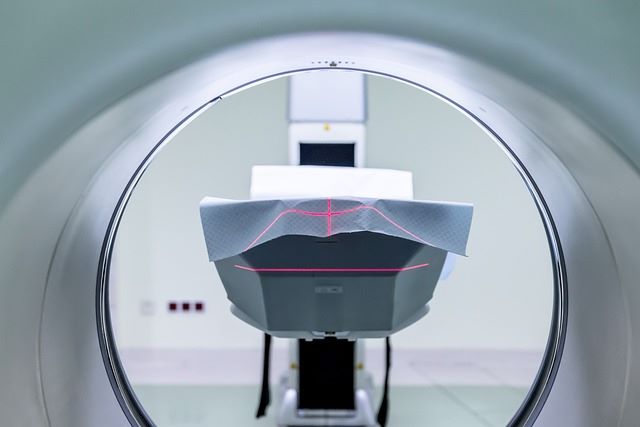
Image by Michal Jarmoluk from Pixabay
Angiogram and Intravascular Ultrasound
An angiogram and an intravascular ultrasound are invasive but highly informative procedures used to assess the health of the heart and the blood vessels supplying it.
These tests provide detailed insights that can help identify heart disease and guide treatment options, ensuring the best possible outcomes.
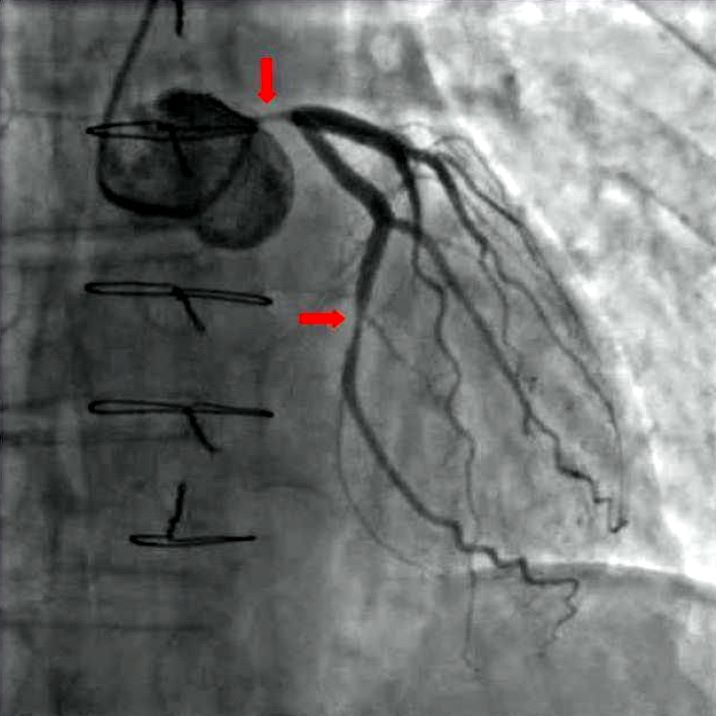
An angiogram, or coronary angiography, involves injecting a special dye into your coronary arteries through a catheter, followed by X-rays.
This procedure creates detailed images of the inside of these arteries, helping doctors identify any blockages or narrow areas that could increase your risk of a heart attack.
Consider Sarah, who experienced discomfort in her chest. A coronary angiogram revealed a significant blockage in one of her coronary arteries.
This finding led to a timely intervention in the form of stent placement, significantly reducing her risk of a heart attack.
On the other hand, an intravascular ultrasound uses a catheter with a miniature ultrasound probe at its tip.
This procedure provides a unique “inside-out” view of the arteries, allowing doctors to evaluate the amount and type of plaque buildup in the arterial walls. This information is critical because it can determine the risk of a heart attack and guide treatment strategies.
Take the example of David, who had a family history of heart disease. His intravascular ultrasound revealed a significant plaque buildup in his coronary arteries, though most were stable and calcified.
This detailed insight allowed his doctors to tailor a treatment plan focusing on aggressive cholesterol management and lifestyle modifications, reducing his risk of a future heart attack.
While angiograms and intravascular ultrasounds are more invasive than other tests, they offer invaluable details about your heart’s health.
These tests can help your doctor formulate the most effective treatment plan, providing an upper hand in your battle against heart disease.
File:Angiography coronary stenosis 01.jpg. In Wikipedia.
Conclusion
In the journey to optimal heart health, knowledge is your best ally.
We can gain invaluable insights into our cardiovascular well-being through an array of tests like blood tests, lipid profiles, EKGs, echocardiograms, stress tests, CT scans, MRIs, angiograms, and intravascular ultrasounds.
Each test, whether simple or complex, non-invasive or invasive, contributes its unique piece to the puzzle of our heart health, helping us craft a complete picture.
From understanding the silent language of our heart’s electrical rhythms to seeing the exact contours of our coronary arteries, these tests are the tools that guide us on our path to prevention and treatment.
Whether it’s the early detection of high cholesterol in John and Susan through routine blood tests, the spotting of valve dysfunction in Lisa via an echocardiogram, or the pinpointing of arterial blockages in Sarah’s angiogram, each case underscores the power of these tests in averting potential heart attacks.
In our battle against heart disease, these tests are our first line of defense, the sentinels that alert us to problems before they escalate.
Their timely use and the adoption of a healthy lifestyle and regular medical check-ups can significantly reduce our risk of heart disease and improve our quality of life.
So let’s embrace these tools, use them wisely, and chart our course to a healthier heart because every beat counts at the end of the day.


