There’s an orchestra playing in the golden years of life. Each beat – a shuffle, a stutter, a stomp – is a rhythm in a grand symphony.
We’re not talking about jazz or salsa but the unique shuffling gait of our elderly loved ones.
Aging isn’t for the faint of heart. It’s an audacious adventure where our bodies play a soundtrack that gets louder with time.
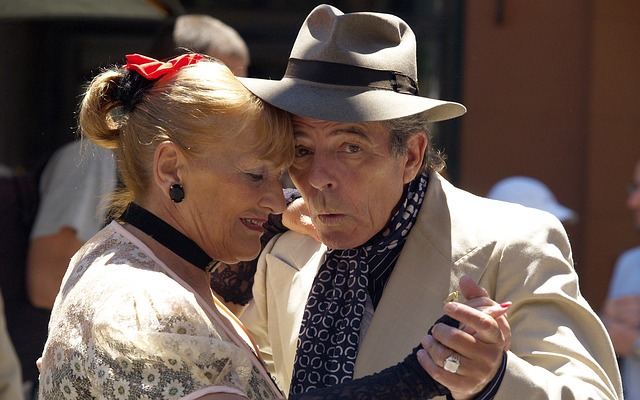
Image by Brigitte Werner from Pixabay
The Shuffling Symphony
Picture 78-year-old Mrs. Kramer. She’s a spry woman with a contagiously cheerful spirit.
Recently, her feet began to compose a tune of their own. Step after step, a hushed shuffle echoes through her quiet home.
For Mrs. Kramer, this isn’t merely a matter of footsteps. It’s her independence, her dignity.
She’s playing the soundtrack of her life, but the melody has changed.
The Reasons for the Rhythm
The symphony of shuffle doesn’t strike a single note. There’s an ensemble of factors that contribute to the rhythm.
The first reason is muscle weakness. Think of it as a tired drummer struggling to maintain the beat. As we age, our muscles naturally lose their strength, making it harder to lift our feet as we used to.
Loss of balance is the wavering flute. As years add up, the intricate systems that help us maintain balance can falter, leading to a shuffling walk.
Then we have neurological disorders, the unpredictable violinist. Parkinson’s disease or a stroke can disrupt the nerves controlling movement, resulting in an irregular stride.
Arthritis plays the role of a rusty trumpet. Inflamed joints can make lifting the feet painful, leading to a shuffling gait.
Lastly, there’s fear of falling, the cymbal crashing unpredictably. This fear can make seniors overly cautious, leading to a shuffle as they try to secure each step.
More Reasons for the Rhythm
Foot problems join the concert as the rebellious saxophone. Bunions, hammertoes, or other foot deformities can make regular walking painful, leading to a shuffle for comfort.
Improper footwear, like the dissonant bass, can disrupt the rhythm. Ill-fitting or unsupportive shoes can make it challenging to maintain a normal stride.
Medication side effects are the sneaky clarinet. Certain drugs can affect balance or cause drowsiness, leading to an unsteady gait.
Vision loss is the fading piano keys. Without clear sight, seniors might adopt a shuffling walk to feel their way.
General aging is the orchestra conductor. Over time, the body’s wear and tear can lead to a slower, shuffling pace.
The Tumbling Crescendo
The crescendo hits when we ignore the symphony. Failing to address a shuffling gait can lead to a catastrophic tumble, an improvised solo nobody wants to play.
Falls are the number one cause of accidental injuries among the elderly, and shuffling increases this risk.
Harmonizing the Beat
So, how do we bring harmony to this melody? Intervention is the key.
Seeing a doctor should be the first step. With their guidance, encourage regular check-ups and open conversations about changes in gait.
Doctors can make necessary referrals to physical therapists, who can help strengthen muscles and improve balance, changing the beat from a shuffle to a confident stride.
Proper footwear is essential, like fine-tuning the instruments.
Medication reviews and vision checks, under the supervision of a healthcare provider, can identify and rectify any issues that contribute to the shuffling.
The Final Note
The symphony of shuffle doesn’t have to be a permanent soundtrack to the golden years. With awareness and intervention, the rhythm can change.
And like Mrs. Kramer, every senior can retain their independence, dignity, and the unique rhythm that makes their life’s symphony so special.
The music of life is ever-changing. Let’s ensure it’s always a tune worth dancing to.


