Introduction
Ready to reclaim the joy of dressing independently post-stroke?
Our guide is a trove of empowering tips and practical strategies to restore seniors’ dressing autonomy, bolstering their confidence.
Delve into our wealth of resources to uplift and guide stroke survivors on their journey to sartorial self-reliance.
It’s time to embrace fashion freedom!

Image by TEENA COBB from Pixabay
Understanding the Challenges
After a stroke, individuals may experience physical and cognitive changes that can impact their ability to dress independently.
Weakness, limited range of motion, and difficulties with coordination can pose challenges. Additionally, cognitive impairments may affect decision-making, sequencing, and problem-solving skills.
However, seniors can overcome these obstacles with the proper support and strategies and regain their dressing autonomy.
2. Seek Emotional Support
Emotional support is crucial for the stroke survivors.
Reach out to friends, family members, or support groups who can provide a listening ear and understanding.
Sharing your feelings and concerns can lighten the emotional burden and help you navigate the challenges of caregiving.
Adaptive Clothing: Fashion Meets Function
Adaptive clothing is a revolutionary when it comes to promoting dressing independence.
These specially designed garments feature easy closures, adjustable fastenings, and open-back designs that simplify the dressing process.
By incorporating adaptive clothing into their wardrobe, seniors can regain their fashion freedom while maintaining comfort and ease.
Simplify the Wardrobe: Organization is Key
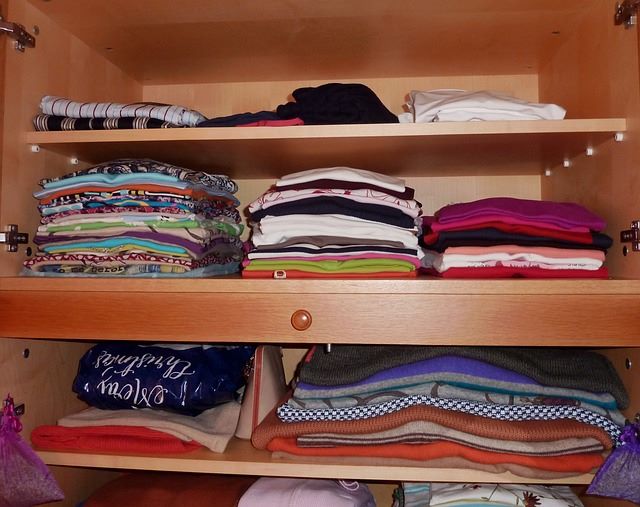
A well-organized wardrobe can make a difference for seniors striving to dress independently.
Start by decluttering and removing unnecessary items. Categorize clothing by type and color to make locating and choosing outfits easier.
A labeling system or clear storage bins can enhance accessibility and simplify the dressing routine.
Dressing Aids and Tools: Your Dressing Arsenal
Equip yourself with various dressing aids and tools to assist in dressing.
Some helpful tools include long-handled reachers, button hooks, zipper pulls, and elastic shoelaces.
These simple yet effective devices can provide the extra support to conquer tricky fastenings and make dressing a breeze.
Adapt and Modify: Clothing Hacks for Success
Simple modifications to existing clothing can significantly improve dressing independence.
Consider adding Velcro closures to replace buttons, elastic bands to provide adjustable waistbands, or magnetic clasps for easy fastening.
These modifications can transform regular clothing into adaptive garments tailored to individual needs and preferences.
Simplify and Prioritize: Wardrobe Selection
A thoughtfully curated wardrobe can simplify the dressing process for stroke survivors.
Encourage seniors to choose clothing with minimal layers, stretchy fabrics, and easy-to-handle closures. Opt for comfortable and versatile pieces that can be mixed and matched effortlessly.
By simplifying the wardrobe, seniors can focus on style without sacrificing functionality.
Visual Aids and Memory Cues
Visual aids and memory cues can provide valuable support in the dressing routine.
Create visual guides, such as laminated step-by-step instructions or picture cards, to help seniors navigate the dressing process independently.
These visual cues are reminders and prompts, enhancing confidence and reducing frustration.
Engage in Therapy and Rehabilitation
Therapy and rehabilitation are vital in stroke recovery, including dressing independence.
Occupational therapists can assess specific challenges, recommend tailored exercises, and provide strategies to address difficulties.
Regular therapy sessions can enhance mobility, strength, and coordination, improving dressing abilities.
Celebrate Progress: Small Wins Matter
Stroke recovery is a journey with ups and downs. Celebrate every milestone and small win along the way.
Encourage seniors to acknowledge their achievements, no matter how small they may seem. Each step towards dressing independence is a testament to their strength and resilience.
Helpful videos demonstrate techniques for dressing after a stroke
In these two short and helpful videos, a stroke survivor illustrates how to put on two styles of shirt and two kinds of pants when one side of the body is weak.
In the video about shirts:
Short-sleeve t-shirt (watch from beginning)
Long-sleeve button-down shirt (at 2 min 34 sec) – put on and take off
In the video about pants:
Elastic waist pants using 2 different methods – using hands only (watch from beginning) and using a reaching/grabbing tool for help (at 2 min 53 sec)
Denim jeans with belt (at 5 min 32 sec)
Conclusion
Congratulations on completing our guide on dressing independence after a stroke.
By embracing adaptive clothing, implementing organizational strategies, and utilizing helpful tools, stroke survivors can regain fashion freedom and dressing autonomy.
With patience, support, and a touch of creativity, dressing independently after a stroke is within reach.


