[lwptoc]
I. Introduction
Brief overview of blood pressure, heart rate, and pulse
Health metrics? That sounds important…
Image by NoName_13 from Pixabay
Did you know that understanding blood pressure, heart rate, and pulse can literally save your life?
Blood pressure, heart rate, and pulse are crucial health metrics significantly affecting cardiovascular health. Yet, many people are unaware of their importance or even what they mean.
So, what if I told you that by the end of this article, you’d be equipped with the knowledge to take control of your heart health and live a longer, healthier life?
Intrigued? Let’s dive in!

First and foremost, let’s understand why blood pressure, heart rate, and pulse matter so much.
When these metrics are within the normal range, they help maintain optimal blood flow to our organs, ensuring that our body functions smoothly. But when they’re out of whack, it can spell disaster for our health, leading to potentially severe conditions such as heart attacks, heart failure, and even metabolic syndrome.
So, it’s not an exaggeration to say that your life may depend on understanding and managing these numbers.

As we proceed with this comprehensive guide, we will unravel the mysteries of blood pressure, heart rate, and pulse, along with some common myths and misconceptions that may cloud your understanding.
We’ll explore the underlying causes, risk factors, and symptoms of high and low blood pressure and the health risks of uncontrolled hypertension. And it doesn’t stop there – we’ll also discuss heart attacks, heart failure, and the relationship between metabolic syndrome and blood pressure.
So, are you ready to join us on this life-changing journey? Not only will you gain invaluable knowledge, but you’ll also learn about various treatment options for managing your blood pressure and related conditions. After all, taking control of your heart health starts with understanding these essential metrics.
????
Before diving deeper into the world of blood pressure, heart rate, and pulse, let’s take a moment to appreciate the incredible heart organ. This tireless workhorse pumps blood throughout our body, carrying vital oxygen and nutrients to every cell.
It’s high time we give it the attention and care it deserves, don’t you think?
Stay with us as we uncover the secrets of blood pressure, heart rate, and pulse and embark on a journey toward better heart health. Are you ready to take the first step? Let’s get started!
II. What is Blood Pressure, Heart Rate, and Pulse?
Definitions and differences
How each metric reflects the state of our overall health
Image by NoName_13 from Pixabay
You might have heard these terms thrown around at your doctor’s office or during a fitness class, but do you truly understand what they mean and how they differ?
Fear not, because we’re here to shed some light on these vital health metrics and explain why they matter for your overall well-being.
A. Definitions and differences
1. Blood Pressure:
Blood pressure is the force exerted by the blood against the walls of your arteries as your heart pumps it around your body.
It is measured in millimeters of mercury (mmHg). It is expressed as systolic pressure (the top number) and diastolic pressure (the bottom number).
Systolic pressure represents the force exerted when your heart beats and pumps blood. In contrast, diastolic pressure is the force exerted when your heart rests between beats.
2. Heart Rate:
Heart rate, also known as pulse rate, is the number of times your heart beats per minute (BPM). This vital sign indicates how hard your heart is working to pump blood throughout your body.
Age, fitness level, and stress can affect your heart rate.
Knowing your resting heart rate, which is the number of heartbeats per minute at rest, is essential.
3. Pulse:
Pulse refers to the rhythmic expansion and contraction of your arteries as your heart pumps blood through them. You can feel your pulse at various points in your body where an artery is close to the skin, such as your wrist or neck.
Your pulse rate is the same as your heart rate (most of the time), measuring the number of times your heart beats per minute.
Life Quote:
B. Importance of each metric for overall health
These health metrics play a significant role in monitoring and maintaining cardiovascular health.
Blood pressure is crucial because when it is too high or too low, it can lead to a host of health problems, including heart attacks, strokes, and kidney damage.
A healthy heart rate indicates that your heart is efficiently pumping blood. In contrast, an unusually high or low heart rate may signal an underlying issue.
Your pulse, which corresponds to your heart rate, can provide valuable information about your overall cardiovascular fitness and help you gauge the effectiveness of your exercise routine.
In summary, understanding blood pressure, heart rate, and pulse is vital for keeping track of your cardiovascular health and making informed decisions about your lifestyle and medical care.
Stay with us as we dive deeper into the world of high and low blood pressure, debunk common myths, and reveal the secrets to a healthy heart. Are you ready to level up your heart health knowledge? Let’s continue!
III. Hypertension (High Blood Pressure)
Underlying causes: primary and secondary
Hmmm…What risk factors do I have?
How do I know if I have hypertension?
High blood pressure, or hypertension, is a common and dangerous condition. But what’s happening inside your body when you have high blood pressure?
Keep reading to uncover the shocking truth about hypertension’s underlying causes, risk factors, and symptoms. You’ll also learn how to protect yourself and your loved ones from this silent killer.
A. Underlying causes
Primary hypertension:
Primary or essential hypertension develops over time with no apparent cause. But what contributes to this mysterious condition?
Experts believe a combination of genetic factors, lifestyle choices, and environmental influences plays a role.
Secondary hypertension:
Secondary hypertension is high blood pressure that results from an underlying medical condition.
What could cause this type of hypertension? Kidney disease, sleep apnea, thyroid problems, and certain medications are all potential culprits.
B. Risk factors
Knowledge is power, and understanding the risk factors for high blood pressure can help you take preventive measures.
Are you ready to discover what might put you at risk?
Here are some factors that can increase your chances of developing hypertension:
Age:
As you get older, your risk of developing high blood pressure increases. But why? Arteries tend to become less flexible with age, making it harder for blood to flow smoothly.
Family history:
If your parents or close relatives have high blood pressure, you might also be more likely to develop it. Genetics can play a significant role in hypertension.
Obesity:
Carrying excess weight can strain your heart, increasing your risk of high blood pressure. Keep reading to discover how a healthy lifestyle can help reduce your risk.
Sedentary lifestyle:
A lack of physical activity can contribute to high blood pressure. Want to know the secret to stay heart healthy? Regular exercise is key.
Tobacco use:
Smoking or using tobacco products can damage your blood vessels and lead to hypertension. Are you ready to kick the habit for good?
Excessive alcohol consumption:
Drinking too much alcohol can raise your blood pressure over time. So how much is too much? Experts recommend one drink per day for women and two for men.
High sodium intake:
Too much sodium can cause your body to retain fluid, leading to high blood pressure. But don’t worry – we’ll reveal how to make heart-healthy food choices later.
C. Symptoms
High blood pressure often shows no symptoms, earning it the nickname “silent killer.” So how can you protect yourself from this stealthy foe?
Regular check-ups and monitoring are essential for early detection.
However, in some cases, high blood pressure can cause symptoms such as:
Headaches:
Severe hypertension can lead to headaches due to increased pressure in the brain’s blood vessels.
Vision problems:
High blood pressure can cause damage to the blood vessels in the eyes, leading to blurry vision or even vision loss.
Chest pain:
In extreme cases, high blood pressure can cause chest pain or discomfort, which may indicate a heart problem.
Shortness of breath:
Elevated blood pressure can strain the heart, causing shortness of breath.
Nosebleeds:
Although rare, sudden and severe high blood pressure can cause nosebleeds.
????
As has been shown, understanding the underlying causes, risk factors, and symptoms of high blood pressure is crucial in safeguarding heart health. By making informed decisions and monitoring your blood pressure regularly, you can reduce your risk of hypertension and its complications.
Don’t leave your health to chance – stay informed, take control, and live a healthier, happier life.
So, are you ready to dive into the world of hypotension? Take advantage of what comes next – the surprising facts about low blood pressure might change how you think about heart health forever.
IV. Hypotension (Low Blood Pressure)
If I don’t have hypertension, then do I get hypotension?
Who are at risk?
Again, how do I know if I have it?
Image by FelixMittermeier from Pixabay
Low blood pressure, or hypotension, often flies under the radar regarding heart health. But what if we told you that it could be just as dangerous as its more notorious counterpart, high blood pressure?
In this section, we’ll reveal the surprising truth about the underlying causes, risk factors, and symptoms of low blood pressure. Keep reading to discover how hypotension can impact your life and what you can do to stay heart healthy.
A. Underlying causes
Low blood pressure can result from various factors, some of which might surprise you. Are you ready to uncover the hidden causes of hypotension?
Here’s what you need to know:
Dehydration: ????????????
When you’re dehydrated, your body loses more water than it takes in, causing a drop in blood volume and, consequently, blood pressure.

Heart problems:
Heart conditions such as heart valve problems, bradycardia (slow heart rate), and heart attack can cause low blood pressure.
Endocrine disorders:
Problems with your endocrine system, such as hypothyroidism, adrenal insufficiency, and low blood sugar, can lead to hypotension.
Medications:
Certain medications, including diuretics, beta-blockers, and even some antidepressants, can cause low blood pressure as a side effect.
Sudden position changes:
Have you ever felt dizzy when standing up too quickly? This phenomenon, orthostatic hypotension, occurs when blood pressure drops suddenly due to a change in body position.
B. Risk factors
Although anyone can develop low blood pressure, some factors might increase your risk.
Want to know if you’re in the danger zone? Here are some risk factors to consider:
Age:
Your risk of developing low blood pressure, particularly orthostatic hypotension, increases as you age. But why? Aging can cause the body’s blood pressure regulation system to become less effective.
Pregnancy:
During pregnancy, a woman’s circulatory system expands rapidly, which can lead to a temporary drop in blood pressure.
Prolonged bed rest:
Spending extended periods in bed can cause blood to pool in the legs, leading to a drop in blood pressure when you stand up.
Certain medical conditions:
Conditions like Parkinson’s disease, diabetes, and anemia can increase the risk of developing low blood pressure.
C. Symptoms
Low blood pressure might not cause symptoms for everyone. However, when it does, the effects can be disconcerting.
Are you prepared to face the truth about hypotension symptoms? Here’s what to watch out for:????

Dizziness or lightheadedness:
A drop in blood pressure can cause sudden dizziness or lightheadedness, especially when standing up.
Fainting:
Severe hypotension can lead to a temporary loss of consciousness, known as syncope or fainting.
Nausea:
Low blood pressure can cause nausea, making you feel sick to your stomach.
Blurred vision:
Hypotension can affect the blood flow to the eyes, causing blurred or distorted vision.
Fatigue:
Persistent low blood pressure can leave you feeling tired and lacking energy.
Cold, clammy skin:
Low blood pressure can cause your skin to feel cold and clammy, particularly in the hands and feet.
????????????????????????
To review, low blood pressure might not be as well-known as high blood pressure, but it can still pose significant health risks. By understanding the underlying causes, risk factors, and symptoms of hypotension, you can take the necessary steps to protect your heart health and overall well-being.
So, are you ready to continue your journey toward better heart health?
Stay tuned as we tackle the myths and facts about blood pressure, revealing the truth behind some of the most persistent misconceptions.
You won’t want to miss what’s coming next – it may change how you think about blood pressure and empower you to take control of your cardiovascular health for a happier, healthier life.
V. Myths and Facts about Blood Pressure
Myths are myths
Facts are facts
Image by Lars Nissen from Pixabay
Blood pressure misconceptions are more common than you think and might put your heart at risk.
Do you want to discover the shocking truth behind these myths? Keep reading to uncover the facts that will empower you to take control of your heart health.
Myth 1: High blood pressure is always a sign of poor health
Fact: You might be surprised to learn that occasional spikes in blood pressure are normal. But what causes these spikes? Stress, exercise, and even doctor visits can temporarily increase blood pressure.
The real danger lies in chronic hypertension, so regular monitoring is crucial.
Myth 2: Low blood pressure is always a good thing
Fact: Lower blood pressure is indeed generally healthier, but there’s a catch. Extremely low blood pressure (hypotension) can lead to dizziness, fainting, and even shock in severe cases.
So how do you maintain an optimal blood pressure level? Regular check-ups and monitoring can help you strike the right balance.
Myth 3: You’ll know if you have high blood pressure because of the symptoms
Fact: Here’s a startling revelation – high blood pressure, or hypertension, is often called the “silent killer.”
Why? Because it usually shows no symptoms until it has caused significant damage.
Don’t leave your health to chance – regular check-ups and monitoring are the keys to prevention.
Myth 4: High blood pressure only affects older adults
Fact: You might think you’re too young to worry about high blood pressure but think again. Lifestyle factors such as obesity, sedentary behavior, and poor diet choices can contribute to hypertension at any age.
Keep reading to discover how you can stay heart-healthy, regardless of age.
Myth 5: Blood pressure medications are the only way to lower high blood pressure
Fact: Hold on to your hats because lifestyle changes are often the first line of defense against hypertension.
A healthy diet, regular exercise, and limiting alcohol consumption can work wonders in reducing blood pressure levels.

Myth 6: If your blood pressure is normal, you don’t need to worry about it
Fact: Blood pressure can change over time, and you must stay vigilant. Aging, weight gain, and stress can all contribute to increased blood pressure.
What’s the secret to maintaining a healthy level? You guessed it – regular check-ups and monitoring.
Myth 7: Caffeine does not affect blood pressure
Fact: Brace yourself – caffeine can cause a temporary spike in blood pressure.
But who’s at risk? Individuals sensitive to caffeine or not consuming it regularly may experience these effects.
However, moderate consumption is generally safe for most people.
Myth 8: Salt is the only dietary factor that affects blood pressure
Fact: Prepare to have your mind blown – other dietary factors also affect blood pressure.
A diet rich in fruits, vegetables, whole grains, lean protein, and low-fat dairy can help lower blood pressure.
And here’s another surprising fact: potassium-rich foods can counteract the effects of sodium on blood pressure.
????
In closing, it’s time to face the facts and debunk the myths about blood pressure. By staying informed and making bold choices, you can take control of your blood pressure and live a healthier, happier life.
Don’t miss the next section.
VI. Health Risks of Uncontrolled Hypertension
Hypertension is the “silent killer”, quite literally…
It is a relentless onslaught from your heart to your brain, kidneys, and eyes…
High blood pressure, or hypertension, is often called the “silent killer” for a reason – many people don’t even realize they have it until it’s too late.
But what happens when hypertension goes unchecked?
In this eye-opening section, we’ll expose the shocking health risks associated with uncontrolled hypertension and the potentially devastating consequences it can have on your body.
Are you ready to face the truth about the dangers lurking within your blood vessels? Let’s dive in.
A. Damage to the Heart
Your heart is the engine that keeps your body running, and uncontrolled hypertension can wreak havoc on this vital organ.
Here’s what could happen if your blood pressure remains too high for too long:

Coronary artery disease:
Hypertension can cause the arteries that supply blood to your heart to narrow and harden, leading to coronary artery disease. This condition can result in chest pain, heart attack, and even death.
Heart failure:
The constant strain of high blood pressure can cause the heart muscle to weaken and become less efficient, eventually leading to heart failure. In this state, the heart cannot pump enough blood to meet the body’s needs.
Atrial fibrillation:
Uncontrolled hypertension can increase your risk of developing atrial fibrillation. This irregular and often rapid heart rate can lead to blood clots, stroke, and heart failure.
B. Damage to the Brain
Your brain relies on a healthy blood supply to function properly; uncontrolled hypertension can threaten this delicate balance.
Discover the terrifying impact that high blood pressure can have on your brain:

Stroke:
High blood pressure can cause blood vessels in the brain to rupture or become blocked, leading to a stroke. This potentially life-threatening event can result in long-term disability or even death.
Cognitive decline:
Uncontrolled hypertension can damage the blood vessels that supply the brain, leading to cognitive decline, memory loss, and difficulty concentrating.
Dementia:
Prolonged high blood pressure can increase the risk of developing vascular dementia, a condition caused by reduced blood flow to the brain. This form of dementia can lead to cognitive impairment and a decline in overall mental function.
C. Damage to the Kidneys
Your kidneys filter waste products from your blood, and uncontrolled hypertension can severely compromise their function.
Are you prepared to learn the shocking truth about the effects of high blood pressure on your kidneys?
Kidney disease:
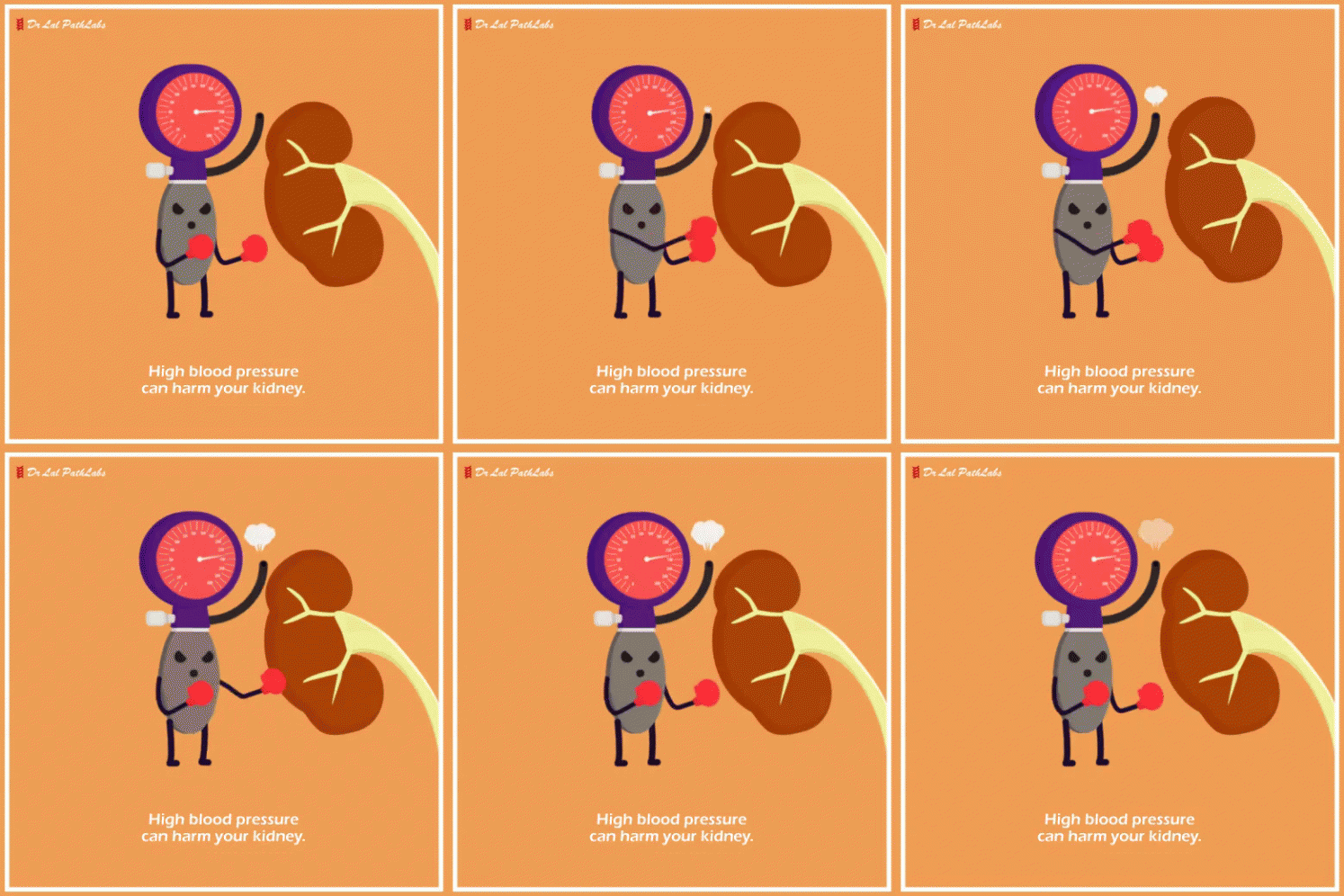
Hypertension can damage the blood vessels in the kidneys, reducing their ability to filter waste and leading to chronic kidney disease. In severe cases, this can result in kidney failure, requiring dialysis or a kidney transplant.
Kidney scarring:
High blood pressure can cause scarring of the kidney tissue, a condition known as glomerulosclerosis. This damage can lead to a decline in kidney function and, ultimately, kidney failure.
D. Damage to the Eyes
Your eyes are incredibly sensitive to changes in blood pressure, and uncontrolled hypertension can have devastating consequences on your vision.
Here’s what could happen if your blood pressure remains dangerously high:

Retinopathy:
High blood pressure can damage the delicate blood vessels in the retina, leading to hypertensive retinopathy. This condition can cause blurred vision, floaters, and even vision loss.
Optic neuropathy:
Hypertension can cause blood flow to the optic nerve to become blocked, leading to optic neuropathy. This condition can result in sudden vision loss and is often irreversible.
E. Sexual dysfunction
High blood pressure can damage the blood vessels and reduce blood flow to the penis, which can cause difficulty in achieving or maintaining an erection. It can also reduce sexual desire and lead to other sexual problems.

To summarize, the health risks associated with uncontrolled hypertension are both alarming and far-reaching.
The damage that high blood pressure can inflict on your heart, brain, kidneys, eyes, and sexual life is a wake-up call for all of us to take our blood pressure seriously.
But don’t let fear dictate your future – scientia potentia est (oh, it means knowledge is power). By understanding the dangers of uncontrolled hypertension, you can take steps to protect your health and prevent these devastating consequences.
????
Stay tuned for the upcoming sections, where we’ll delve into heart attack, heart failure, and the connection between metabolic syndrome and blood pressure. We’ll also explore treatment options for these conditions, empowering you with the information you need to make informed decisions about your health.
So, are you ready to continue your journey toward better cardiovascular health? Your heart health is in your hands, and with the right information, you can make the choices that will lead to a happier, healthier future
VII. What is a Heart Attack?
Myocardial infarction, plaque, and coronary arteries
Common symptoms and warning signs
Who are the most vulnerable?
Regarding cardiovascular health, few events are as feared as a heart attack. But do you know what happens during a heart attack and how to prevent it from occurring?
In this section, we’ll demystify the science behind heart attacks and provide the knowledge you need to protect your heart.
Are you ready to face the facts? Let’s dive into the world of heart attacks and discover how to keep your heart beating strong.
A. Understanding Heart Attacks
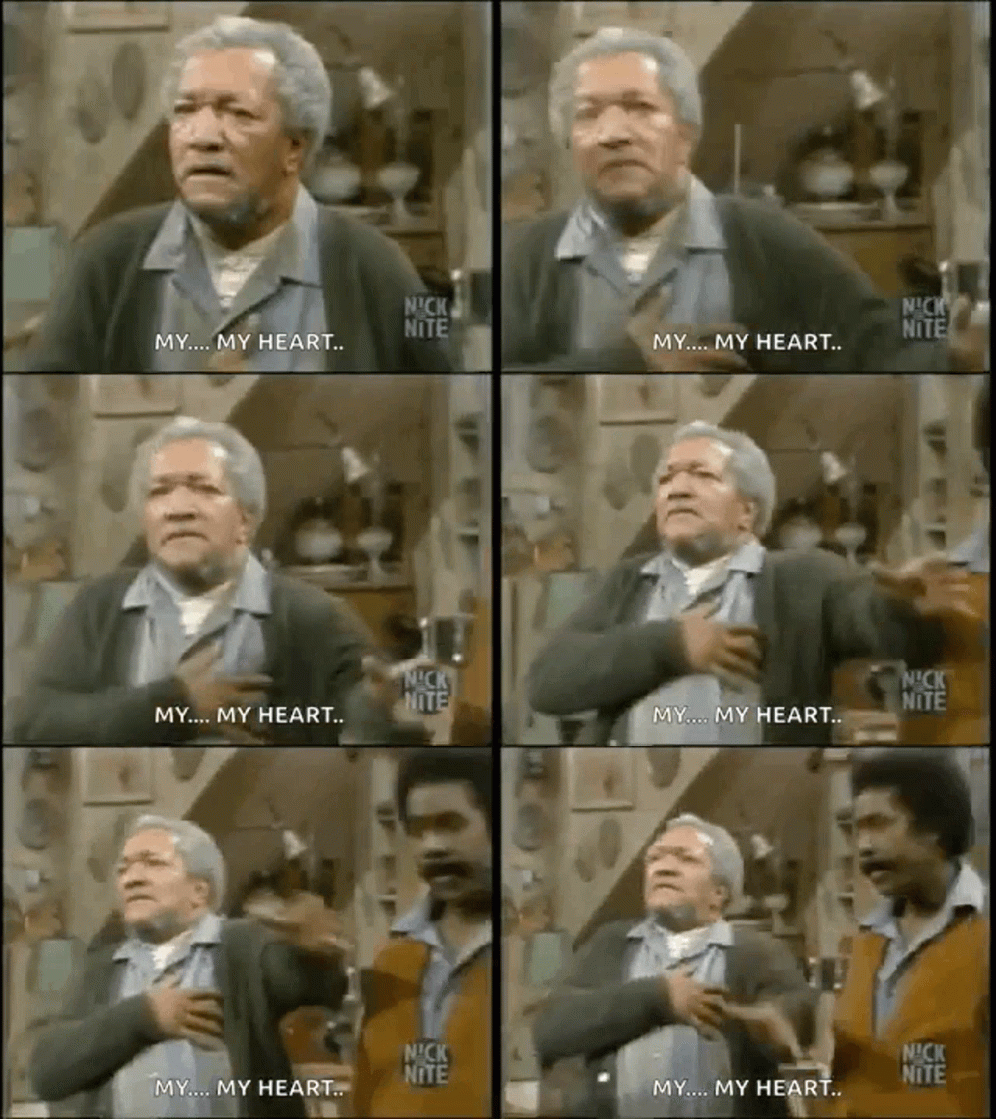
A heart attack, a myocardial infarction, occurs when blood flow to a part of the heart muscle is blocked.
This blockage is usually caused by a buildup of plaque – a combination of fat, cholesterol, and other substances – in the coronary arteries.
If the blood supply is cut off for too long, the affected part of the heart muscle begins to die, leading to permanent damage.
B. Common Symptoms
Heart attack symptoms can vary, but there are some common signs to look out for.
Are you prepared to recognize the warning signs of a heart attack? Here are the symptoms you need to know:
Chest pain or discomfort:
This is the most common symptom, often described as pressure, fullness, or a squeezing sensation in the chest.
Shortness of breath:
Difficulty breathing can occur with or without chest pain and is often a sign that a heart attack is imminent.
Cold sweat:
Another common heart attack symptom is breaking out in a cold, clammy sweat.
Nausea or vomiting:
Heart attack symptoms can sometimes mimic those of indigestion, causing nausea or vomiting.
Lightheadedness or dizziness:
Feeling lightheaded or dizzy during a heart attack is not uncommon, particularly if the blood pressure drops.
Fatigue:
Unexplained fatigue or weakness can indicate an impending heart attack, especially in women.
C. Risk Factors
While anyone can suffer a heart attack, certain factors can increase your risk. Are you aware of the risk factors that could endanger your heart? Here’s what to watch out for:
Age:
Men over 45 and women over 55 are at a higher risk of experiencing a heart attack.
Family history:
Your risk increases if a close family member has had a heart attack.
Smoking:
Tobacco use is a significant contributor to heart disease and heart attacks.
High blood pressure:
Uncontrolled hypertension can damage the coronary arteries, increasing the risk of a heart attack.
High cholesterol:
Elevated LDL cholesterol levels can lead to plaque buildup in the arteries, increasing the risk of a heart attack.
Diabetes:
People with diabetes are at a higher risk of developing heart disease and suffering a heart attack.
Obesity:
Excess body weight contributes to high blood pressure, high cholesterol, and diabetes – all risk factors for a heart attack.
Stress:
Chronic stress can increase the risk of a heart attack by raising blood pressure and contributing to plaque formation.

On the whole, understanding what a heart attack is and knowing the risk factors that can contribute to it are crucial steps toward protecting your heart health.
By recognizing the warning signs and adopting a heart-healthy lifestyle, you can reduce your risk of experiencing a heart attack and improve your overall cardiovascular health.
????
Stay tuned for the next section, where we’ll explore heart failure and its connection to blood pressure. With the proper knowledge and strategies, you can take control of your heart health and prevent these life-threatening conditions.
VIII. What is Heart Failure?
The two types of heart failure
Common symptoms and warning signs
Who are at risk?
Image by NoName_13 from Pixabay
The term “heart failure” may sound terrifying, but do you know what it means? In this section, we’ll delve into the intricacies of heart failure and explain how it’s connected to blood pressure.
With a deeper understanding of this condition, you’ll be better equipped to protect your heart and maintain your cardiovascular health.
Are you ready to unravel the mystery of heart failure? Let’s dive in and uncover the truth.
A. Defining Heart Failure
Heart failure is when the heart cannot pump blood efficiently enough to meet the body’s needs.
It doesn’t mean your heart has stopped working, but it’s struggling to meet the demands. There are two main types of heart failure:
Systolic heart failure:
It occurs when the heart muscle becomes weak and cannot contract forcefully enough to pump blood effectively.
Diastolic heart failure:
It occurs when the heart muscle becomes stiff and cannot relax properly, impairing its ability to fill with blood between contractions.

B. Symptoms of Heart Failure
Heart failure can manifest in various ways, and symptoms can range from mild to severe. Here are some common signs to watch out for:
Shortness of breath:
Difficulty breathing, especially during physical activity or while lying down, is a common symptom of heart failure.
Fatigue:
Persistent tiredness or weakness may signal that your heart struggles to pump blood efficiently.
Swelling:
Fluid buildup in the legs, ankles, and feet is a common symptom of heart failure, as the heart’s reduced pumping ability can cause fluid to accumulate in the body.
Rapid or irregular heartbeat:
An irregular or rapid heartbeat can signal that your heart is working harder to compensate for its weakened pumping ability.
Persistent cough or wheezing:
A cough that doesn’t go away or wheezing caused by fluid buildup in the lungs can be a sign of heart failure.
Lack of appetite or nausea:
Heart failure can cause digestive issues, leading to a loss of appetite or feelings of nausea.
C. Causes and Risk Factors
Heart failure can be caused by various factors, many of which are linked to blood pressure. Here are some common causes and risk factors for heart failure:
Coronary artery disease:
Narrowing the coronary arteries due to plaque buildup can reduce blood flow to the heart muscle, leading to heart failure.
High blood pressure:
Uncontrolled hypertension can place extra strain on the heart, causing it to weaken over time and increasing the risk of heart failure.
Heart attack:
A heart attack can damage the heart muscle, impairing its ability to pump blood and potentially leading to heart failure.
Diabetes:
People with diabetes are at a higher risk of developing heart disease and heart failure.
Obesity:
Excess body weight can increase the strain on your heart and contribute to the development of heart failure.
Sleep apnea:
Untreated sleep apnea can lead to high blood pressure and heart failure.
????
With the above in mind, understanding what heart failure is and its connection to blood pressure can help you take the necessary steps to protect your heart and maintain your cardiovascular health.
Recognizing the symptoms, knowing the risk factors, and implementing effective management strategies can improve your quality of life while living with heart failure.
Watch for the next section to explore the link between metabolic syndrome and blood pressure.
IX. Metabolic Syndrome and Blood Pressure
What is metabolic syndrome? It is a cluster…
Metabolic syndrome and hypertension. Are they BFF?
Image by NoName_13 from Pixabay
You’ve probably heard of high blood pressure and its impact on heart health. Have you ever considered its relationship with metabolic syndrome?
This section will explore the intriguing connection between these two conditions and help you understand their role in your overall health.
Are you ready to discover the hidden link? Let’s dive in and learn how metabolic syndrome and blood pressure are intertwined.
A. Defining Metabolic Syndrome
Metabolic syndrome is a cluster of conditions that increase your risk of heart disease, stroke, and type 2 diabetes.
To be diagnosed with metabolic syndrome, you must have at least three of the following risk factors:
Abdominal obesity:
Excess fat in the abdominal area, particularly around the waist, is a critical component of metabolic syndrome. More specifically, a waistline of above 40 inches for men and above 35 inches for women, measuring across the belly.
High blood pressure:
Elevated blood pressure, 130/85 mm Hg or higher, is another common characteristic of metabolic syndrome.
High blood sugar:
Individuals with metabolic syndrome often have elevated blood sugar levels (greater than 100 mg/dl), which can indicate insulin resistance or prediabetes.
High triglycerides:
Elevated levels of triglycerides, a type of fat in the blood, can contribute to metabolic syndrome. The normal level is below 150 mg/dl.
Low HDL cholesterol:
Low “good” HDL cholesterol levels, less than 40 mg/dl for men or under 50 mg/dl for women, can increase the risk of developing metabolic syndrome.
B. The Link Between Metabolic Syndrome and Blood Pressure
High blood pressure is a critical component of metabolic syndrome, as the two conditions often go hand in hand. The exact reasons for this connection aren’t entirely understood, but several factors may play a role:
Insulin resistance:
Insulin resistance, an essential aspect of metabolic syndrome, can increase blood pressure by causing the kidneys to retain sodium and fluid. This can result in higher blood volume, which puts more pressure on the artery walls.
Inflammation:
Chronic inflammation, often present in individuals with metabolic syndrome, may contribute to developing high blood pressure by damaging the blood vessels and impairing their ability to relax and constrict properly.

In conclusion, understanding the connection between metabolic syndrome and blood pressure is essential for maintaining cardiovascular health. By recognizing the risk factors and implementing effective prevention strategies, you can reduce your risk of developing these conditions and improve your overall well-being.
????
Stay tuned for the final section of this article, where we’ll discuss the treatment options for high blood pressure, low blood pressure, and heart-related conditions.
X. Treatment Options for Hypertension, Hypotension, and Related Conditions
How to treat hypertension?
How to treat hypotension?
How to treat related conditions?
And repeat after me…
Image by RÜŞTÜ BOZKUŞ from Pixabay
So, you’ve learned about high blood pressure, low blood pressure, and their connection to various heart-related conditions.
But what’s the next step? How do you take control of your health and manage these conditions effectively?
In this final section, we’ll explore the treatment options for hypertension, hypotension, and related disorders, empowering you with the knowledge to make informed decisions about your cardiovascular health.
Ready to unlock the solutions? Let’s dive in and discover the tools you need to take charge of your health.
A. Treating Hypertension (High Blood Pressure)
Managing high blood pressure effectively reduces your risk of heart disease, stroke, and other complications. Here are some key treatment options for hypertension:
Lifestyle changes:
Implementing healthy habits, such as maintaining a balanced diet, exercising regularly, and managing stress, can help lower your blood pressure.
Medications:
Various medications are available to help control high blood pressure, including diuretics, ACE inhibitors, beta-blockers, and calcium channel blockers.
Your doctor will work with you to determine the best course of treatment based on your specific needs.
Monitoring and follow-up:
Regular check-ups and blood pressure monitoring are essential in managing hypertension effectively and adjusting treatment as needed.
B. Treating Hypotension (Low Blood Pressure)
While low blood pressure is generally less concerning than high blood pressure, it can still cause issues for some individuals. Here are some strategies for managing hypotension:
Adjusting medications:
Low blood pressure may be a side effect of medications in some cases. Consult your doctor to determine if any adjustments need to be made to your current prescriptions.
Gradual position changes:
If you experience dizziness or lightheadedness due to low blood pressure, practice slow, gradual position changes (e.g., standing up from a seated position) to help prevent symptoms.
Compression stockings:
Wearing compression stockings can help improve blood flow in the legs and reduce the pooling of blood that can contribute to low blood pressure.
Increasing fluid and salt intake:
Increasing fluid and salt intake can help raise blood pressure levels for some individuals. However, discussing this strategy with your doctor before making any significant dietary changes is essential.
C. Treating Related Conditions
As we’ve discussed, hypertension and hypotension can be connected to various heart-related conditions. Here are some general treatment options for managing these conditions:
Medications:
Various medications such as antiplatelet drugs, anticoagulants, and cholesterol-lowering medications can help control symptoms and prevent complications for heart-related conditions.
Medical procedures:
Medical procedures may sometimes be necessary to treat heart-related conditions, such as angioplasty, stenting, or bypass surgery.
Cardiac rehabilitation:
Cardiac rehabilitation programs can provide education, counseling, and support for individuals with heart-related conditions, helping them improve their cardiovascular health and reduce their risk of complications.
Lifestyle modifications:
Maintaining a heart-healthy lifestyle, including regular exercise, a balanced diet, stress management, and avoiding smoking and excessive alcohol consumption, is essential for managing heart-related conditions and improving overall cardiovascular health.
????
To review, understanding the treatment options for hypertension, hypotension, and related conditions is crucial in taking charge of your cardiovascular health.
By working closely with your doctor and implementing the appropriate treatment strategies, you can effectively manage these conditions and maintain a healthy, happy heart.
XI. Conclusion
A short recap and reflection
How do we apply our knowledge to practice?
Taking control of your heart health
Empower Yourself and Protect Your Heart – Your Journey to Better Cardiovascular Health
Congratulations! You’ve made it to the end of our journey to understand better blood pressure, heart rate, and their connection to heart health.
We hope this article has been informative and engaging, providing you with the knowledge and tools you need to take control of your cardiovascular health.
Throughout this article, we’ve explored the myths and facts about blood pressure, delved into the underlying causes, risk factors, and symptoms of hypertension and hypotension, and learned about the health risks associated with uncontrolled high blood pressure.
We’ve also examined the connection between metabolic syndrome and blood pressure and discussed the treatment options for managing hypertension, hypotension, and related heart-related conditions.
By now, you should have a solid understanding of your cardiovascular health and the steps you can take to protect your heart. With the proper knowledge and a proactive approach to your health, you can reduce your risk of heart-related complications.
So, what’s next? It’s time to take action and put your newfound knowledge into practice.

Start by making small changes to your lifestyle, such as maintaining a balanced diet, engaging in regular physical activity, and managing your stress levels. Don’t forget to monitor your blood pressure regularly and work closely with your doctor to determine the best course of action for your unique needs.
Remember, your health journey is unique, and it’s up to you to take control of your cardiovascular health. Don’t let fear hold you back – empower yourself with the facts and take charge of your heart health today.
You can achieve better cardiovascular health and live your best life with the right tools and knowledge.
Thank you for joining us on this journey, and here’s to a healthy, happy heart!
The video version