Picture this: Your beloved grandmother, the one who knitted your baby clothes and baked you the most delicious pies, is now living in a nursing home.
She’s got dementia, which means her brain is like a puzzle with a few pieces missing. The vibrant woman you remember is in there somewhere, but it’s becoming increasingly hard to recognize her.
It’s already a deep cut in your heart watching her struggle with dementia.
Yet, one day, you spot an unfamiliar bruise coloring her fragile skin. This mark had no business being there the week before.
Her eyes flicker with discomfort when a specific caretaker looms too close, her body recoiling as though anticipating harm.
A cold dread snakes through you, the scene starkly reminiscent of a macabre horror flick, only this time, your dear grandmother is at the epicenter, potentially a victim of nursing home abuse.

Don’t hit the panic button yet.
This is the moment to put on your detective hat, switch on your inner Sherlock Holmes, and dive into the deep, murky waters of investigation.
1. Look for Common Signs of Elder Abuse
Nursing home abuse is the monstrous creature under the bed, lurking in the shadows, victimizing the most vulnerable. The symptoms can be elusive, especially as dementia sufferers struggle to express them lucidly.
Physical indications such as puzzling bruises, scrapes, or even fractures could signal possible abuse.
Yet, there might be more insidious evidence.
Scrutinize the caregivers for any suspicious behavior – do they avoid eye contact, give unusual excuses, or dismiss your concerns too quickly? They might be a wolf in sheep’s clothing.
On the emotional front, things can get trickier. Look out for heightened unease or dread, abrupt emotional oscillations, or behavioral shifts in your loved ones.
These could be silent screams for help, drowned out by the walls of the nursing home.
2. Determine if the Nursing Home Is at Fault
Next, you need to decide if it’s the nursing home at fault or something else.
Is it possible that Grandma tripped and fell? Sure. But what if she’s becoming the punch bag for someone’s frustrations? Not on your watch!
Scrutinize the care home’s protocols. Are they understaffed? Are the staff properly trained?
These factors might not seem related, but they are the dominoes that can trigger the cascade of abuse.
3. Keep an Eye on Your Loved One’s Care
Your grandma might be in a nursing home, but she’s still your responsibility.
So, become Batman in her Gotham City. Monitor her care, talk to the staff and the management. Make surprise visits.
Keep them on their toes, knowing that someone is watching.
4. Document Any Signs of Abuse
Abuse is like a gremlin. It thrives in darkness.
Shine a light on it. Document every sign, every suspicion. Take photos, maintain a diary.
It’s not paranoia; it’s being proactive.
5. Report Suspected Abuse
You’ve done your homework. Now it’s time to bring in the authorities.
You’re the hero in this tale, but even Batman had Commissioner Gordon. Report your suspicions to the nursing home management and to your local Adult Protective Services.
Don’t hesitate, thinking you might be wrong. It’s better to sound a false alarm than to let abuse continue unchallenged.
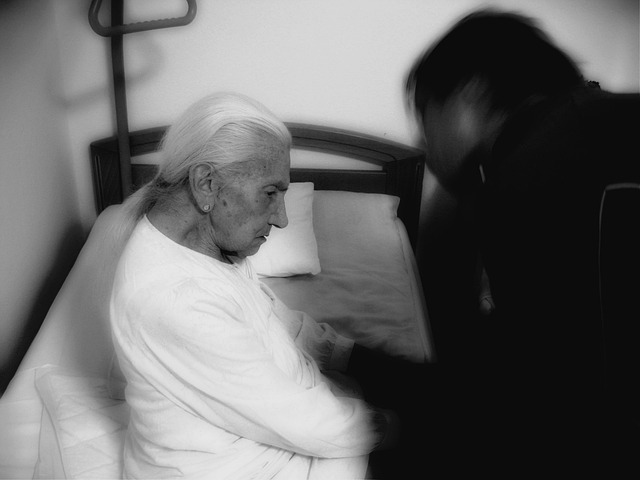
Image by Gerd Altmann from Pixabay
6. Consult an Attorney
Finally, arm yourself with the law.
Consult an attorney who specializes in elder law and nursing home abuse. They can guide you through the process, protect your loved one’s rights, and make sure the villain faces the consequences.
But remember, this isn’t about revenge; it’s about protection. It’s about ensuring your grandmother and countless others like her aren’t mistreated.

So, here we are, at the end of our investigative journey. If you’ve reached this point and found evidence of abuse, it’s undoubtedly been a distressing experience.
But by following these steps, you’ve not only unmasked a heinous act but also become an advocate for protecting the most vulnerable among us.
You are the superhero in this story. Your cape might be invisible, and your superpower might be love and determination, but you’ve proved that anyone can step up and challenge the wrongs in our society.
The road might have been rough, but you have the satisfaction of knowing you did the right thing.
And remember, it’s not just about your grandma; it’s about every senior out there who could be a potential victim. By standing up against elder abuse, you’re sending a powerful message to all those who think they can get away with it.
Not on your watch. Not now, not ever.
So go ahead, take a bow, and let that satisfaction sink in. You’ve earned it.


