As the first snowflakes of winter kissed the ground, Harold found himself gazing out of the window, a question burning in his heart – about CPR, the life-saving maneuver he had seen performed countless times on the television.
There was something that didn’t sit quite right with him, a nagging feeling that the truth of this life-saving procedure was somehow concealed, especially for people his age.
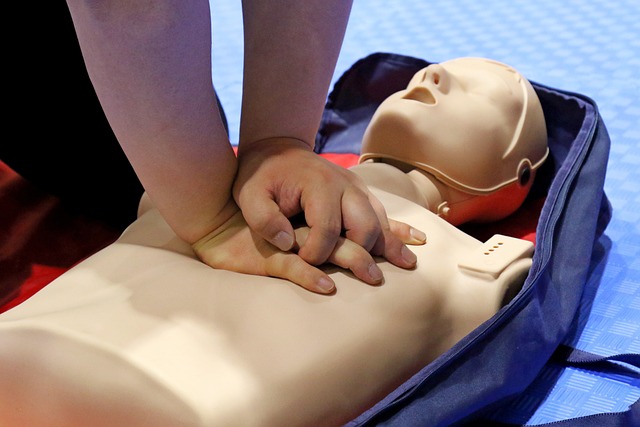
Image by manseok Kim from Pixabay
CPR is an emergency procedure
Harold started his quest by understanding the basics to quench his thirst for knowledge.
CPR, he found, was an emergency procedure performed to manually preserve intact brain function until further measures could be taken to restore spontaneous blood circulation and breathing in a person suffering a cardiac arrest.
But this was just the beginning of his exploration.
The realities and risks associated with CPR
As Harold delved deeper into the subject, he discovered something startling:
CPR wasn’t as benign as he’d always believed, especially for seniors like him. The realities and risks associated with this procedure painted a different picture altogether.
It wasn’t the guaranteed life-saver portrayed on screen. Instead, it was a brutal ballet of chest compressions and breaths that, while potentially life-saving, could lead to severe complications like broken ribs or brain damage due to lack of oxygen.
The diminishing figures of CPR
The more Harold uncovered about CPR, the more his emotions churned. Shock gave way to denial, which in turn made room for fear.
But most of all, Harold felt a growing sense of frustration. How was it possible that these details were often glossed over?
Then, his journey through the virtual world of research led Harold to a chilling revelation in the New England Journal of Medicine.
The pooled survival rates post-in-hospital CPR painted a sobering picture:
18.7% for patients aged 70-79, dropping to 15.4% for those aged 80-89, and further dwindling to a mere 11.6% for patients 90 and older.
The diminishing figures struck a chord deep within Harold, challenging his initial, more optimistic comprehension of CPR.
Each age bracket and percentage punctuated the stark reality he was beginning to comprehend.
Conversation with his doctor about CPR
One day, Harold found himself sitting across from his doctor, the weight of the facts he’d unearthed heavy on his mind. With a deep breath, he voiced his fears and doubts.
His doctor listened, not dismissing his concerns but validating them. He then shared that while CPR can save lives, its success depends on many factors, including age and overall health condition.
And just like that, the storm cloud of uncertainty lifted from Harold’s mind.
The realities were daunting, but at least he had discovered the truth. At least now, he could make an informed decision about his future, giving him a sense of empowerment.

Harold felt a strange sense of relief as he left the clinic that day. The world outside didn’t seem as frosty or hostile as it had appeared before.
Armed with the truth, he felt more confident, more in control. He had peeled back the layers of the unknown, faced his fear, and come out the other side stronger.
In the end, Harold’s journey revealed a critical lesson – the importance of information.
CPR, especially for seniors, is not a one-size-fits-all solution.
Each person’s health situation is unique, and what works for one may not work for another. Therefore, it’s crucial to understand the realities and risks before deciding on a course of action.
CPR is indeed a marvel of modern medicine, but it’s not without its drawbacks, especially for our elders. It’s high time we face this fact, discuss it openly, and ensure our seniors make informed health decisions.
After all, information is the first step toward empowerment.


