Elsie gazed at the colorful assortment of pill bottles on her table. Each one, a testament to a unique ailment.
The arthritis that limited her dance moves, the hypertension that made her monitor every pinch of salt, and the diabetes that dictated her diet.
Wasn’t growing old supposed to be about enjoying retirement, traveling, and spoiling grandkids?
Yet, here she was, juggling more health conditions than travel brochures.
Ah, the glory days of senior citizenship!
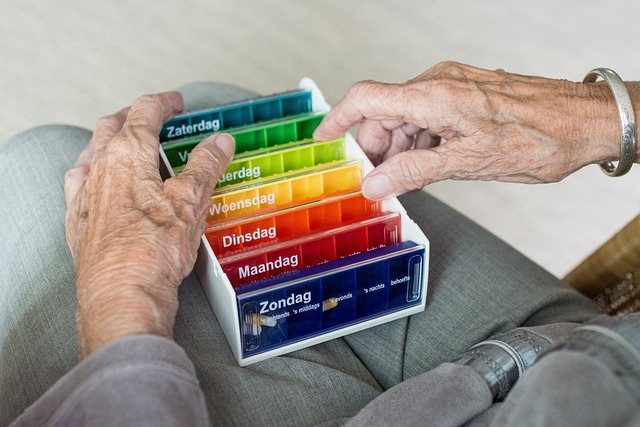
Image by Sabine van Erp from Pixabay
Let’s back up for a moment.
Understand that a considerable proportion of seniors like Elsie find themselves managing more than three chronic conditions.
It’s not just about popping pills; it’s a delicate ballet of coordinating appointments, understanding treatments, and constantly watching for signs something’s amiss.
One sunny morning, an article caught her eye as Elsie sipped her decaf.
“Managing Multiple Chronic Health Conditions? Find Your Balance!”
It discussed the rise of seniors dealing with numerous health concerns. The issues weren’t isolated; they intertwined, influencing and sometimes exacerbating one another.
Light bulb moment! Elsie realized that she wasn’t alone in this complex web of health management.
Inspired, she decided to chart a course to better navigate her ailments, leading her to four game-changing tips.
1. Prioritize Your Care – Speak Your Mind
The first time Elsie voiced her care priorities to her doctor, it felt revolutionary.
“Doctor Simmons,” she began, “I want to dance at my granddaughter’s wedding. That’s a non-negotiable for me. How can we make it happen?”
Instead of the usual clinical talk, they had a human conversation about what mattered most to Elsie in life. Her doctor got a clearer picture of her needs and could adjust treatments to match her priorities.
Takeaway Tip: Your doctor isn’t psychic.
Share your life goals, your worries, and how you want to live the rest of your life. That vision can help tailor your care more effectively.
2. Understand the Trade-offs
When Elsie was diagnosed with early-stage breast cancer, the immediate recommendation was surgical removal. It’s a common approach, seen by many as the most aggressive but definitive solution.
But, considering Elsie’s age and overall health, undergoing major surgery presented its own set of risks.
Dr. Simmons, ever the prudent physician, initiated a crucial dialogue. Together, they explored alternative treatments, considering the physical and emotional toll of each.
In the end, they decided on a less invasive approach that was more in line with Elsie’s overall well-being and quality of life.
Takeaway Tip: Sometimes, the most aggressive treatment isn’t the most appropriate one.
Especially in seniors, it’s essential to weigh the benefits of intensive interventions against potential risks and the desired quality of life.
Always remember, it’s about living well, not just getting treated.
3. Speak Up if a Treatment Isn’t Working
Two weeks into a new treatment, Elsie felt exhausted.
Instead of shrugging it off as “part of aging,” she reached out to Dr. Simmons. Good thing she did because a minor tweak in her dosage made a world of difference.
Takeaway Tip: Your body, your rules.
If a treatment isn’t sitting well or if there are unusual symptoms, alert your healthcare provider pronto. It might be a minor hiccup or something more.
Better safe than sorry.
4. Simplify, Simplify, Simplify!
After a particularly confusing appointment with a specialist, Elsie felt like she’d been thrown into a whirlwind of medical jargon.
Frustrated, she called her primary care doctor and said, “Can we simplify this? I need to understand.”
And just like that, her care plan was adjusted into a more digestible format.
Takeaway Tip: If something feels too complicated or confusing, it probably is.
Medical language can be daunting. Ask for simpler explanations or written instructions.
1. Prioritize Your Physical Health
After arming herself with these strategies, Elsie felt more in control of her health. The next family gathering saw her dancing with grace, a testament to her newfound empowerment.
Yet, life wasn’t without its uncertainties. There were still days Elsie felt the weight of her ailments. Days when she wished for fewer pills and more spontaneous dance sessions.
But through it all, one thing was evident: Elsie was no longer at the mercy of her conditions. She was an active participant in her health journey, making decisions that celebrated her life and her desires.
And as we draw this curtain on Elsie’s tale, you might wonder if she ever found the perfect balance.
In truth, her quest for health equilibrium remained ongoing, ever-evolving, with shades of victories and challenges. A testament that while chronic conditions are a reality for many seniors, they don’t define the narrative of their lives.
No, not when they have the right tools, the right mindset, and a dance in their step.


