[lwptoc]
1. Introduction: The Journey of Alzheimer’s Care
Entering the world of Alzheimer’s care is like solving an intricate puzzle under a starlit sky – filled with unexpected trials, tender moments, and chances for profound bonding and personal evolution.
The secret to solving this puzzle lies in comprehending the essence of Alzheimer’s and its distinctive demands on the individual and their caregiver.
Picture Alzheimer’s as a relentless, advancing brain disorder, slowly but surely chipping away at a person’s memory, cognitive abilities, and, eventually, their capacity to perform rudimentary tasks. It is the silent bandit, surreptitiously stealing away treasured recollections and independence.
Indeed, these bitter truths make caring for an Alzheimer’s patient one of life’s most formidable challenges. Yet, it’s a commitment countless individuals brave every day, motivated by affection and dedication.
However, the journey of Alzheimer’s care need not be a blind stumble in the darkness.
The path becomes significantly less intimidating with knowledge, patience, compassion, and proper caregiving techniques. This guide is your beacon, illuminating this arduous path and offering practical advice to make caregiving less daunting.
So, let’s dive into this world and unearth strategies that can transform the challenge of Alzheimer’s care into a journey of love, respect, and understanding.
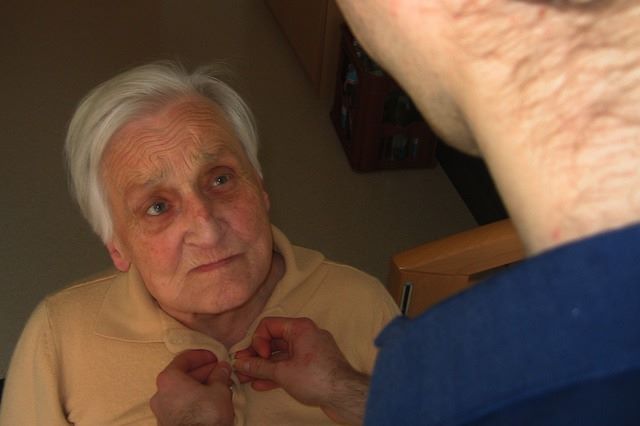
Image by Gerd Altmann from Pixabay
2. Understanding Alzheimer’s: The Unseen Intricacies
At its core, Alzheimer’s disease is a neurodegenerative disorder that slowly erodes cognitive abilities over time. It’s the most common form of dementia, accounting for 60 to 80% of cases, mainly affecting individuals over 65. However, early-onset Alzheimer’s can occur in people as young as 40.
The disease’s insidious nature lies in its slow but persistent progression. It typically starts with mild memory loss, leading to people forgetting recent conversations or events.
As it advances, symptoms become more severe, encompassing confusion, trouble handling money and paying bills, poor decision-making, and even significant changes in personality or behavior.
But Alzheimer’s doesn’t just affect memory. It’s a holistic disorder that impacts every facet of an individual’s life.
As brain cells degenerate and die, people with Alzheimer’s lose their ability to connect with the world around them. Simple tasks, like dressing, eating, and bathing, become Herculean challenges.
Moreover, emotional turmoil often accompanies these physical changes—frustration, confusion, anxiety, and even depression are common as individuals grapple with their changing abilities.
Understanding Alzheimer’s also involves appreciating the unique burdens it places on caregivers. Providing care for a loved one with Alzheimer’s can be emotionally challenging. It requires abundant patience, empathy, and resilience to manage the progressive symptoms and behavioral changes that come with the disease.
A clear comprehension of Alzheimer’s forms the cornerstone of effective caregiving. A deep awareness of the disease’s impact on a person’s cognitive abilities, daily functioning, and emotional state enables caregivers to provide empathetic, respectful care.
Additionally, understanding the potential challenges can prepare caregivers for the fluctuating demands of their role, thereby reducing stress and enabling better adaptation.
????????????????????????
Overall, Alzheimer’s is more than a disease of the brain—it profoundly changes the lives of the individuals diagnosed and those who care for them. Understanding its complexities is the first step in providing exceptional care.

Image by Jackson David from Pixabay
3. Navigating Communication with Alzheimer’s Patients
Effectively communicating with an Alzheimer’s patient can be challenging, marked by frustration, misunderstandings, and heartbreak.
Yet, it remains a crucial aspect of Alzheimer’s care—the secret lies in understanding the disease’s effects on communication and developing adaptive strategies.
Alzheimer’s impacts a person’s ability to express thoughts and comprehend what others say. This can lead to confusing conversations and reactions that seem out of proportion or context.
However, these communication barriers don’t indicate a lack of desire to engage. Often, individuals with Alzheimer’s still crave social interaction and emotional connection—they struggle to facilitate them in the traditional ways.
Several strategies can make interactions meaningful and less stressful for caregivers and patients.
Firstly, maintaining a calm and patient demeanor can set a positive tone for communication. This approach demonstrates understanding and respect for the individual’s struggle.
Next, using clear, simple words and sentences can enhance comprehension. Keeping questions or instructions straightforward can be beneficial, such as asking one thing at a time. Physical cues, such as gestures or pointing to objects, can also aid understanding.
Non-verbal communication is also significant. A comforting touch or a patient, an understanding smile can convey volumes. So does maintaining eye contact—it signals that you are focused and receptive.
Caregivers should also learn to listen with more than just their ears. In many cases, Alzheimer’s patients may communicate their needs or emotions through behaviors rather than words. For instance, agitation might indicate discomfort, while withdrawal might suggest overstimulation.
On challenging days, remember that communication isn’t just about exchanging information—it’s about connection. If words fail, music, art, or sitting quietly together can offer shared experiences that convey love, comfort, and companionship.
☘️☘️☘️☘️☘️☘️
In conclusion, effective communication with Alzheimer’s patients requires patience, empathy, and creativity. The essence lies in understanding their unique needs, responding compassionately, and finding innovative ways to connect amidst the challenges.

Image by Sasin Tipchai from Pixabay
4. The Value of Routine in Alzheimer’s Care
Alzheimer’s disease, a progressive neurodegenerative condition, often disrupts the patient’s sense of familiarity and control. Amidst this disarray, establishing a daily routine can be a beacon of stability for individuals with Alzheimer’s.
Routines bring a sense of predictability and security to a world that, for an Alzheimer’s patient, can seem confusing and unpredictable.
When everyday activities follow a similar pattern, it helps reduce the anxiety and confusion that often accompany Alzheimer’s. Daily tasks, like brushing teeth or having breakfast, become automatic and require less cognitive effort, preserving their energy for other activities.
A well-structured routine can also aid sleep, a commonly reported problem in Alzheimer’s care. Daily activities, especially physical exercise, can promote better sleep patterns and improve overall health and well-being.
Routines also play a significant role in managing behavior problems, a common feature of Alzheimer’s disease.
An established routine provides cues that guide behavior and expectations, reducing instances of agitation or restlessness. For example, a regular walk after lunch may reduce afternoon wandering. At the same time, a soothing bedtime routine can ease the transition to sleep.
However, it’s vital to ensure that routines are person-centered. They should reflect the individual’s preferences, habits, and life history. Each routine should also have flexibility, accommodating the good and not-so-good days.
It’s equally essential to consider the timing of activities. For example, individuals with Alzheimer’s often experience “sundowning”—increased confusion and agitation in the late afternoon or evening.
Scheduling more challenging or stimulating activities earlier in the day can help manage this phenomenon.
Including enjoyable and meaningful activities, such as listening to favorite music or tending a garden, can enhance mood and self-esteem, offering moments of pleasure and achievement.
☘️☘️☘️☘️☘️☘️
In conclusion, a well-structured routine tailored to the individual’s preferences and capabilities can be invaluable in Alzheimer’s care.
It provides structure, reduces confusion, and enhances the quality of life, ultimately creating a more comforting and familiar environment for the Alzheimer’s patient.

Image by Phan Minh Cuong An from Pixabay
5. The Role of Nutrition and Hydration in Alzheimer’s Care
Nutrition and hydration play a crucial role in maintaining the health and well-being of an individual with Alzheimer’s.
Adequate nutrition is essential to the body’s normal functions. At the same time, proper hydration is vital in keeping the body functioning correctly and maintaining cognitive abilities.
People living with Alzheimer’s disease may forget to eat or drink, lose interest in preparing meals, or forget they’ve eaten, leading to inadequate nutrition and hydration.
Malnutrition can exacerbate symptoms of Alzheimer’s, like confusion and lethargy, and contribute to weight loss, weakened immunity, and even increased susceptibility to infections.
Nutritional needs vary from person to person, but some essential nutrients are vital for Alzheimer’s patients.
For instance, Omega-3 fatty acids, found in oily fish and walnuts, are known for their potential to support brain health. Antioxidants found in fruits and vegetables can help combat oxidative stress associated with Alzheimer’s.
A diet rich in whole grains, lean proteins, fruits, vegetables, and low-fat dairy, known as the Mediterranean diet, has been associated with a lower risk of Alzheimer’s and slower progression of symptoms.
Hydration is equally important.
Dehydration can lead to confusion, a common symptom of Alzheimer’s disease. It may also contribute to constipation, urinary tract infections, and an increased fall risk.
It’s crucial to provide access to fluids throughout the day. This might involve reminding or assisting the person in drinking, offering foods high in water, like fruits, making drinks more appealing with natural flavors, or using colorful or favorite cups.
Meal times should be calm, enjoyable occasions. Use these opportunities to encourage social interaction, stimulate appetite, and make eating a more pleasant experience. Patience and creativity may be required, as food preferences and abilities can change.
????????????????????????
In conclusion, nutrition and hydration are critical elements in Alzheimer’s care. By ensuring the individual receives a balanced diet and stays hydrated, caregivers can contribute significantly to the physical health and comfort of someone with Alzheimer’s.

Image by ????Christel???? from Pixabay
6. Managing Difficult Behaviors: Real-Life Examples
One of the challenges that caregivers face when caring for an Alzheimer’s patient is managing challenging behaviors. This can include restlessness, agitation, aggression, or wandering.
Such behaviors can be confusing and distressing, but understanding their causes and finding effective strategies to manage them can significantly improve the caregiving experience.
Often, problematic behaviors in Alzheimer’s patients can be attributed to unmet needs. It’s essential to understand that people with Alzheimer’s might express their needs differently.
For instance, agitation might respond to physical discomfort, loneliness, or confusion. Therefore, an integral part of managing these behaviors is identifying and addressing the root cause.
Nonverbal cues can be valuable.
Look for signs of discomfort. Is the person too hot or too cold? Are they in pain? Are they tired? Addressing these physical needs often alleviates challenging behaviors.
Aggression, either verbal or physical, can often be a reaction to feeling threatened or overwhelmed.
Responding to aggression with calmness and reassurance can help defuse the situation. Try to maintain a gentle tone of voice and reassure the person you’re there to help.
Wandering can be particularly challenging. It’s usually triggered by an unmet need or desire to fulfill a forgotten purpose, like going to work or home. Ensuring a safe environment, keeping a routine, and using locks or alarms can help manage this behavior.
Restlessness or repetition may reflect anxiety or boredom.
Engaging the person in simple, structured activities can be a helpful strategy. Try incorporating physical activity into the daily routine, such as walking or gentle exercise, which can also help promote better sleep.
Remember, it’s crucial to maintain empathy and patience. The individual with Alzheimer’s is not acting out deliberately. They’re dealing with a complex disease that can be confusing and scary.
With understanding and the right strategies, you can effectively manage challenging behaviors while providing compassionate care.

Image by Sasin Tipchai from Pixabay
7. Keeping Alzheimer’s Patients Engaged: Activities and Interactions
Keeping individuals with Alzheimer’s engaged can significantly improve their quality of life. Engagement can stimulate the mind, reduce agitation and confusion, and provide a sense of purpose and accomplishment.
Although the disease may limit some activities, there are still many ways caregivers can maintain engagement and connection.
Music can be a fantastic tool.
Alzheimer’s tends to affect recent memories first, while older ones are preserved longer. So, playing familiar tunes from their younger years can be comforting and stimulating. Encourage them to sing along, tap their feet, or even dance if they’re able.
Art projects offer another excellent avenue for engagement.
Activities such as painting, drawing, or sculpting can provide sensory stimulation and an outlet for creativity. Remember, the focus should be on the process, not the final product. So, allow them to create freely without stressing about the outcome.
Simple games or puzzles can also be beneficial.
This might include card games, board games, or jigsaw puzzles. Keep the focus on fun and engagement rather than competition.
Gardening, even if it’s just a small indoor garden or pot plants, can provide meaningful activity.
Planting, watering, and watching things grow can be fulfilling and calming. Plus, it can offer sensory stimulation through different textures and smells.
Maintaining social connections is also essential.
Encourage visits from friends or family members, if feasible. Alternatively, video calls can also help maintain relations. Engage them in conversations, keeping in mind their cognitive abilities. Listen attentively and be patient.
Outdoor walks can be both physically and mentally stimulating.
Exposure to nature can be calming, and gentle exercise can promote overall well-being.
????????????????????????
In conclusion, keeping Alzheimer’s patients engaged can require creativity and flexibility. Still, the positive effects on their well-being are well worth the effort.

Image by Michael de Groot from Pixabay
8. Self-Care for Caregivers: An Essential Component of Alzheimer’s Care
Caring for a loved one with Alzheimer’s disease is an act of compassion. Still, it can also bring significant challenges and stress.
The physical and emotional demands can be overwhelming, leading to caregiver burnout. Hence, self-care for caregivers is as vital as the care provided to the patients.
First, it’s essential to understand that taking breaks is okay and necessary.
Alzheimer’s care is a long journey; to sustain it, caregivers need to recharge. Taking time for oneself isn’t selfish—it’s a fundamental part of caregiving. This could involve reading a book, walking, practicing yoga, or even sitting quietly with a cup of coffee.
It’s also crucial to maintain one’s physical health.
Regular exercise can help reduce stress, improve mood, and boost energy levels. Maintaining a balanced diet is equally important. Proper nutrition can help keep strength, energy, and a positive attitude.
Connecting with others can provide emotional support.
Joining a local or online support group for Alzheimer’s caregivers can provide a space to share experiences, learn from others, and feel less alone. These communities can offer practical advice and emotional comfort.
Getting enough sleep is also paramount.
Sleep deprivation can lead to increased stress, lowered immune function, and poor decision-making. If the loved one’s sleep schedule disrupts the caregiver’s sleep, it may be time to discuss options with a healthcare provider.
Finally, caregivers should not hesitate to seek professional help when needed.
If feelings of stress and overwhelm become persistent, consulting with a mental health professional can be very beneficial.
????????????????????????
Remember, caring for oneself isn’t a luxury for caregivers—it’s a necessity. By prioritizing self-care, caregivers can continue to provide the best possible care for their loved ones with Alzheimer’s.

Image by Iqbal Nuril Anwar from Pixabay
9. Conclusion: Strengthening Our Approach to Alzheimer’s Care
Alzheimer’s care is a complex journey requiring knowledge, patience, empathy, and resilience.
By understanding the nature of Alzheimer’s and equipping ourselves with practical strategies, we can significantly enhance the quality of life for our loved ones battling this disease.
Recognizing the nuances of Alzheimer’s helps build an empathetic bridge to comprehend their world better. From the complexities of communication to the importance of routine, every aspect we’ve discussed forms the framework for quality Alzheimer’s care.
Incorporating nutrition and hydration into our care plan aids physical well-being. At the same time, engagement keeps the mind active and lessens the impact of the disease.
Managing problematic behaviors can be alleviated with a compassionate attitude, creative solutions, and professional advice when needed.
No journey can be sustained without caring for the traveler. The crucial aspect of self-care for caregivers ensures the journey continues, benefitting both the caregiver and the person in their charge.
Alzheimer’s care is not a one-person task nor a one-size-fits-all approach.
It’s a community effort requiring the support of family, friends, and healthcare professionals. As we join hands in this endeavor, we grow closer to our loved ones, cherishing the moments we share, no matter how the disease unfolds.
We’re in this together, learning, supporting, and enhancing Alzheimer’s care, one day at a time. Here’s to better days ahead for our loved ones and for ourselves.


