[lwptoc]
I. The Importance of Natural Therapies for Hypertension
Hypertension and its consequences
A holistic approach to managing high blood pressure
Reclaiming personal responsibility for your health
Image by Cindy Lever from Pixabay
In today’s fast-paced world, hypertension, or high blood pressure, has become a widespread issue affecting millions globally.
As a silent killer, it stealthily damages our bodies, often going unnoticed until it’s too late. The consequences of uncontrolled hypertension are severe, increasing the risk of life-threatening conditions such as arteriosclerosis, heart attack, and stroke.
But fear not, for there is hope (fingers crossed here ????).

By harnessing the power of natural therapies and making conscious lifestyle changes, you can reclaim control over your health and live a happy, healthy, and self-determined life.
Traditional treatment methods for hypertension often involve medications with a laundry list of potential side effects. These pharmaceutical interventions, while sometimes necessary, may not always be the best option for everyone.
That’s where natural therapies come into play. Taking a holistic approach to managing high blood pressure can tackle the issue’s root causes and prevent further bodily harm without solely relying on medications.
This article will delve into the fascinating world of natural therapies for hypertension, providing you with valuable knowledge and practical advice on how to lower your blood pressure naturally.
It’s time to take personal responsibility for your actions and choices, especially regarding your health. After all, you are the captain of your ship, and only you can steer it in the right direction.
But why focus on natural therapies for hypertension?
Simply put, the benefits are numerous. A holistic approach allows you to address the underlying issues contributing to high blood pressure while promoting overall well-being.
By making conscious decisions about your diet, exercise, and lifestyle, you improve your blood pressure and your general health and quality of life.
So, are you ready to embark on this life-changing journey?
In the following sections, we will explore the ins and outs of hypertension, discuss the potential side effects of conventional medications, and offer advice on selecting the best blood pressure monitor for your needs.
We will also dive deep into dietary solutions and lifestyle changes that can help you lower your blood pressure naturally and effectively.
And who knows? Along the way, you might discover that taking control of your hypertension is possible and an enjoyable and empowering process.
Stay with us as we unravel the secrets of conquering high blood pressure naturally, and join the countless others who have already benefited from a holistic approach to hypertension management.
The road to better health starts here. Are you ready to take the first step?
II. Understanding Hypertension: The Basics
Definition and common causes
How many people are suffering from hypertension?
What are the consequences of poorly managed hypertension?
Image by Lars Nissen from Pixabay
Before diving into the world of natural therapies for hypertension, it’s crucial to have a solid understanding of what high blood pressure is and why it’s such a pressing concern.
Hypertension occurs when the force of blood pushing against the walls of your arteries is consistently too high. Over time, this increased pressure can damage your blood vessels and lead to many health problems.
A. Definition and common causes
Blood pressure is measured using systolic pressure (the top number) and diastolic pressure (the bottom number).
The former represents the pressure in your arteries when your heart beats. At the same time, the latter signifies the pressure when your heart is resting between beats.
A normal blood pressure reading is usually around 120/80 mm Hg. Hypertension is typically diagnosed when a person’s blood pressure consistently measures 130/80 mm Hg or higher.
Several factors can contribute to the development of hypertension, including:
1. Genetics: Family history can significantly determine your risk for high blood pressure.
2. Age: As you age, your risk of developing hypertension increases.
3. Ethnicity: Certain ethnic groups, such as African Americans, are more prone to hypertension.
4. Lifestyle factors: Poor diet, lack of exercise, obesity, smoking, and excessive alcohol consumption can all contribute to high blood pressure.
B. The current situation in the United States and worldwide
According to the American Heart Association, nearly half of all adults in the United States have hypertension, and many do not know they have it.
It is particularly alarming as uncontrolled high blood pressure can lead to severe health issues, including heart disease and stroke, two of the leading causes of death in the country.
The World Health Organization (WHO) estimates that more than 1.13 billion people suffer from hypertension globally.
Like in the U.S., many individuals worldwide are unaware of their condition, leaving them vulnerable to life-threatening complications.

C. Consequences of Hypertension
The long-term consequences of untreated or poorly managed hypertension can be severe and even life-threatening. High blood pressure damages blood vessels and strains the heart, leading to complications that can significantly impact health and well-being.
Some of the most common and severe consequences of hypertension include:
1. Heart failure: The persistent pressure on the heart due to high blood pressure forces it to work harder. Over time, this added strain can cause the heart muscle to weaken, resulting in heart failure.
2. Arteriosclerosis: Hypertension can cause the walls of your arteries to thicken and harden, known as arteriosclerosis. It can decrease blood flow, increasing the risk of heart attacks, strokes, and other vascular diseases.
3. Stroke: High blood pressure can weaken blood vessels in the brain or cause blood clots to form, leading to a stroke. A stroke occurs when the blood supply to a part of the brain is interrupted, resulting in brain damage and potential long-term disability.
4. Heart attack: Hypertension increases the risk of coronary artery disease, which can cause plaque to build up in the arteries, reducing blood flow to the heart. It can lead to a heart attack, a life-threatening condition where the blood supply to the heart muscle is blocked.
5. Renal insufficiency: High blood pressure can damage the blood vessels in the kidneys, impairing their ability to filter waste and excess fluid from the body. This can eventually result in kidney failure, a condition that requires dialysis or a kidney transplant.
6. Vision loss: Hypertension can also damage blood vessels in the eyes, potentially leading to vision problems or blindness.
Understanding the severe consequences of hypertension underscores the importance of properly managing this condition.
By incorporating natural therapies and making lifestyle changes, you can take control of your blood pressure and reduce the risk of these life-altering complications.
III. The Dark Side of Antihypertensive Drugs
Common side effects of popular medications
Beta blockers, ACE inhibitors, Sartanes, Diuretics.
Would alternative methods cut down the use of medications?
While antihypertensive drugs are often prescribed as the first treatment for high blood pressure, they have various potential side effects that can impact your quality of life.
It’s important to understand these side effects and consider alternative, natural therapies to help you manage your blood pressure without relying solely on medications.
A. Common side effects of popular medications
Beta-blockers:
Beta blockers are medications that slow down the heart rate and reduce the force with which the heart pumps blood.
Some common side effects of beta blockers include fatigue, dizziness, cold hands and feet, weight gain, and depression.
Additionally, beta-blockers may cause or worsen asthma symptoms in some individuals.
ACE inhibitors:
Angiotensin-converting enzyme (ACE) inhibitors work by blocking the production of a hormone called angiotensin II, which narrows blood vessels.
Common side effects of ACE inhibitors include a persistent dry cough, dizziness, headache, and an increased risk of developing hyperkalemia (elevated potassium levels in the blood).
Sartanes (angiotensin II receptor blockers):
These drugs, also known as ARBs, work similarly to ACE inhibitors but by blocking the action of angiotensin II rather than its production.
Side effects of sartanes can include dizziness, headache, and a higher risk of hyperkalemia.
In rare cases, sartanes can cause kidney problems and dangerous swelling of the face, tongue, or throat (angioedema).
Diuretics:
Diuretics help the kidneys remove excess fluid and sodium from the body, reducing blood volume and pressure.
While they can effectively lower blood pressure, diuretics can cause several side effects, such as increased urination, dehydration, electrolyte imbalances (which can lead to muscle cramps, weakness, or irregular heartbeat), and impotence in men.
B. The importance of seeking alternative methods
Given antihypertensive medications’ potential side effects and drawbacks, it’s crucial to explore alternative methods for managing high blood pressure.
Natural therapies offer a way to address the root causes of hypertension without solely relying on medications, reducing your risk of experiencing unwanted side effects.

By adopting a holistic approach to hypertension management, you can lower your blood pressure and improve your overall health and well-being.
Natural therapies, such as dietary modifications and lifestyle changes, can profoundly impact your blood pressure levels, often without the need for pharmaceutical interventions.
C. The potential dangers of overmedication
Another concern with antihypertensive drugs is the risk of overmedication.
Sometimes, patients may be prescribed multiple medications to manage their blood pressure, leading to a higher likelihood of experiencing side effects or drug interactions.
Overmedication can also result in excessively low blood pressure (hypotension), which can cause dizziness, fainting, and, in severe cases, organ damage.
D. Personalizing your hypertension treatment plan
Working closely with doctor to develop a personalized treatment plan for managing your high blood pressure is essential.
While medications may be necessary in some cases, consider discussing the potential benefits of natural therapies and lifestyle changes with your doctor.
By incorporating a combination of medical and natural approaches, you can develop a well-rounded treatment plan that addresses your unique needs and minimizes your risk of experiencing unwanted side effects from medications.
E. Weighing the risks and benefits
When considering antihypertensive drugs, weighing the risks and benefits of each medication is crucial. While these medications can effectively lower blood pressure, overmedication’s potential side effects and dangers must be considered.
In some cases, the side effects of antihypertensive drugs may outweigh their benefits, making natural therapies and lifestyle changes a more attractive option for managing high blood pressure.

F. The role of natural therapies in reducing medication dependence
Natural therapies can play a vital role in reducing dependence on antihypertensive drugs.
By addressing the root causes of hypertension, such as poor diet, lack of exercise, and stress, natural therapies can help lower blood pressure without the need for medication or, in some cases, allow for a reduction in the dosage of prescribed drugs.
It’s important to note that you should never stop taking your prescribed medications or adjust their dosage without consulting your doctor.
However, by incorporating natural therapies into your treatment plan and working closely with your doctor, you can reduce your reliance on medications and minimize their associated side effects.
G. Monitoring your progress
Regardless of whether you incorporate natural therapies into your hypertension management plan, regular blood pressure monitoring is essential.
It allows you to track your progress, adjust your treatment plan, and identify potential issues before they become more serious.
By staying vigilant about your blood pressure and working closely with your doctor, you can find the right balance between medications and natural therapies, ensuring the best possible outcome for your health and well-being.

In conclusion, while antihypertensive drugs can effectively manage high blood pressure, it’s crucial to be aware of their potential side effects and the dangers of overmedication.
By considering alternative methods, such as natural therapies and lifestyle changes, you can take a more holistic approach to hypertension management, minimizing your risk of experiencing unwanted side effects and improving your overall health.
Remember, the key to successful hypertension management is personalization and close collaboration with your healthcare provider to find the best treatment plan for your unique needs.
IV. Choosing the Right Blood Pressure Monitor
Tips for selecting the best device for your needs
Two online sources
Five common mistakes
Image by ????Christel???? from Pixabay
You’ve decided to take control of your hypertension, and now you’re wondering which blood pressure monitor to choose. With so many options on the market, how can you be sure you’re selecting the right one?
Fear not! In this section, we’ll guide you through finding the perfect blood pressure monitor that suits your needs and helps you stay on top of your health.
A. Don’t compromise on accuracy
When it comes to measuring blood pressure, accuracy is crucial. Choosing a monitor that doesn’t provide reliable readings can lead to mismanagement of your hypertension and put your health at risk.
But how can you be sure that the monitor you choose will give you accurate results?
B. Look for validated devices
So, imagine you have a blood pressure monitor and want to ensure it’s accurate. There are a bunch of online lists, called registries, where you can check if your monitor is good to go.
Some of these registries are specific to certain countries, for example, the British Hypertension Society, the European Society of Hypertension, hypertension Canada, or the American Medical Association.
In contrast, others cover a lot of places around the world.
Two prominent international lists are called STRIDE BP and Medaval.
You must know who made the device and the model to check your monitor on these lists. This info should be somewhere on the box or the monitor itself.
With STRIDE BP, you type the model or maker’s name into their search box.
If your monitor pops up, it’s been checked and is accurate. They also have a “Preferred Devices” list, which are the excellent ones that store data or can send it to your smartphone or computer.
Medaval is another list, and it’s got a ton of info on different monitors.
You can search your monitor here. When you find your monitor, if it says “recommended,” that’s a good sign it’s accurate.
But here’s the thing, sometimes, these lists can be tricky.
You may mistype the monitor’s name or number, or your monitor is new and not on the list yet. Or, the maker might use different names for the same monitor in different countries.
And sometimes, a monitor has been checked and passed, but the data hasn’t been published yet.
So, you’ve got to be careful when checking!
C. Consider your needs and preferences
When choosing a blood pressure monitor, consider factors like ease of use, cuff size, and additional features that may be important to you.
For instance, some monitors offer Bluetooth connectivity, allowing you to sync your readings with a smartphone app for easy tracking and sharing with your healthcare provider.
Others have features like irregular heartbeat detection or storing multiple users’ data.
By carefully considering your needs, preferences, and the device’s accuracy, you can choose the right blood pressure monitor that will help you take control of your hypertension and lead a healthier, happier life.
D. Don’t forget the importance of proper technique

When it comes to measuring blood pressure, there are several common misconceptions and errors that can lead to inaccurate readings.
Some of these include:
Using the wrong cuff size: Using a cuff that’s too small or too large can result in an inaccurate reading.
Positioning the cuff incorrectly: The cuff should be placed on a bare arm at heart level, with the bottom edge about an inch above the elbow.
Not resting before taking a measurement: Sitting quietly for a few minutes before taking your blood pressure can help ensure a more accurate reading.
Talking or moving during the measurement: Both can cause fluctuations in blood pressure, leading to an inaccurate reading.
Taking a single reading: Blood pressure can vary throughout the day, so it’s essential to take multiple readings at different times to get a true picture of your blood pressure levels.
So, remember that even the best blood pressure monitor will only provide accurate results if you use it correctly.
Ensure you’re familiar with proper measurement techniques, such as positioning the cuff correctly, resting before taking a reading, and avoiding talking or moving during the process.
V. Dietary Solutions for Lowering Blood Pressure
A. Potassium-rich foods
B. Cacao
C. Vegetable juices
D. Less salt
E. Omega-3 fatty acids
F. Magnesium
G. Coenzyme Q10
H. L-arginine
I. Garlic extract
J. Vitamin D
K. Pine bark extract
L. Nettle
Image by Xuân Tuấn Anh Đặng from Pixabay
You’ve heard it before: “You are what you eat.” But did you know this age-old saying holds the key to managing hypertension?
It’s true! By making simple changes to your diet, you can significantly lower your blood pressure and reduce your dependence on medications.
So, what’s the secret formula for a blood pressure-friendly diet? Let’s dive in and find out!
A. Potassium-rich foods: Nature’s secret weapon against high blood pressure
Many people don’t realize that a diet low in potassium can contribute to high blood pressure.
Potassium is an essential mineral that helps balance sodium levels in your body. When your potassium levels are low, your body retains more sodium, increasing blood pressure.
The incredible benefits of potassium
Ensuring your diet is rich in potassium can work wonders for your blood pressure.
Consuming more potassium helps flush out excess sodium, lowering your blood pressure. Not only that, but potassium also helps relax blood vessel walls, further reducing pressure on your circulatory system.
Top potassium-rich foods to add to your diet
To reap the benefits of potassium, include a variety of potassium-rich foods in your daily meal plan. Some excellent options include:
1. Leafy greens: Spinach, kale, and Swiss chard are all packed with potassium and offer various other health benefits.
2. Bananas: One of the most well-known sources of potassium, bananas are an easy and delicious way to increase your intake.
3. Sweet potatoes: These versatile vegetables are rich in potassium and offer a healthy dose of fiber, vitamins, and minerals.
4. Avocados: Loaded with potassium, healthy fats, and fiber, avocados are a great addition to your hypertension-fighting diet.
B. The wonders of cacao and chocolate
Believe it or not, chocolate can be good for your blood pressure!
But before reaching for a candy bar, let’s explore why cacao, the main ingredient in chocolate, has such powerful blood pressure-lowering properties.
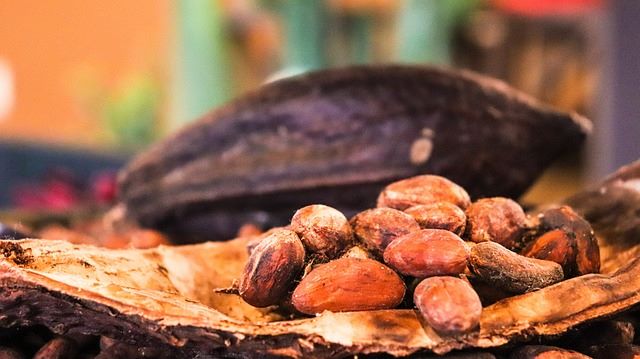
The blood pressure benefits of cacao
Cacao is rich in flavonoids, plant compounds known for their antioxidant and anti-inflammatory properties.
Research has shown that consuming cacao can help improve blood flow, reduce inflammation, and lower blood pressure.
But remember, not all chocolate is created equal – look for dark chocolate with a high cacao content (at least 70%) to reap these benefits.
C. Vegetable juices: A powerhouse of nutrients
Drinking vegetable juices is an effective and tasty way to lower your blood pressure naturally.
Vegetable juices are rich in vitamins, minerals, and antioxidants, which can help reduce inflammation and improve blood vessel function. Plus, juicing is an easy way to pack multiple servings of vegetables in a single glass.
Aim for at least one 8-ounce glass per day to get started with juicing, and gradually increase the amount if desired.
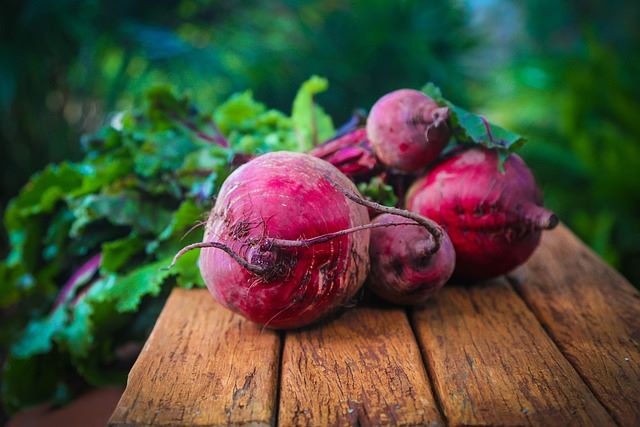
Image by Tracy Lundgren from Pixabay
Some great options for blood pressure-lowering juices include beetroot, carrot, and celery. You can also mix and match various vegetables to create your personalized blend. For a refreshing twist, consider adding a small piece of ginger or a squeeze of lemon to your juice.
You’ll need a juicer or a high-powered blender to make vegetable juices at home.
A juicer extracts the liquid from the vegetables, leaving behind the pulp.
At the same time, a blender pulverizes the entire vegetable, including the fiber. If using a blender, you may want to strain the juice through a fine mesh strainer or cheesecloth to remove any pulp, depending on your preference.
Here’s a simple recipe to get you started:
- One medium beetroot, peeled and chopped
- Two large carrots, peeled and chopped
- Two celery stalks, chopped
- One small piece of ginger, peeled (optional)
- A squeeze of lemon juice (optional)
Instructions:
1. If using a juicer, follow the manufacturer’s instructions for juicing the vegetables. Collect the juice in a glass or container.
2. If using a blender, add the chopped vegetables and a small amount of water to help blend. Blend until smooth, then strain the juice through a fine mesh strainer or cheesecloth.
3. If desired, add the ginger and lemon juice, and stir well.
4. Serve immediately, or refrigerate and enjoy within 24 hours for the best flavor and nutritional benefits.
Incorporating vegetable juices into your daily routine will provide your body with essential nutrients and promote better blood pressure management.
D. Reduce your salt intake: The hidden danger in your diet
Excess sodium in your diet can significantly contribute to high blood pressure.

The American Heart Association recommends limiting daily sodium intake to 2,300 mg for most adults and reducing it to 1,500 mg for those with hypertension or at risk of developing it.
To keep your blood pressure in check, aim to reduce your salt intake by:
1. Avoid processed and packaged foods, which are high in sodium.
For example, a single serving of canned soup can contain over 800 mg of sodium, while a frozen dinner can pack up to 1,800 mg.
2. Cooking at home more often, where you have control over the amount of salt used in your meals.
Instead of adding a teaspoon of salt (2,300 mg of sodium) to your dish, use just a pinch (about 1/8 teaspoon or 290 mg) to reduce your intake drastically.
3. Experiment with herbs and spices to flavor your food instead of relying on salt.
For example, garlic powder, onion powder, or a blend of Italian herbs can add a delicious, sodium-free flavor to your dishes.
You can also try lower-sodium alternatives like “lite” salt, a mix of sodium chloride and potassium chloride, to help reduce your overall sodium intake.
E. The power of omega-3 fatty acids
Omega-3 fatty acids are essential fats that your body can’t produce on its own. They offer myriad health benefits, including reducing inflammation and improving blood vessel function, which can help lower blood pressure.
The American Heart Association recommends consuming at least two servings of fatty fish per week, each serving being 3.5 ounces cooked or about ¾ cup of flaked fish.
To increase your omega-3 intake, consider incorporating the following foods into your diet:
Fatty fish????????????
- Salmon (1,200-2,400 mg of omega-3s per 3.5-ounce serving)
- Mackerel (1,000-1,600 mg per 3.5-ounce serving)
- Sardines (1,400-2,200 mg per 3.5-ounce serving)
- Herring (1,600-1,800 mg per 3.5-ounce serving)
They are all excellent sources of omega-3 fatty acids.
Nuts and seeds
- Walnuts (2.6 grams of omega-3s per ounce)
- Chia seeds (4.9 grams of omega-3s per ounce)
- Flaxseeds (6.3 grams of omega-3s per ounce)
These are also rich in these essential fats.
Plant-based oils
- Olive oil (103 mg of omega-3s per tablespoon)
- Algae oil (300-600 mg of omega-3s per tablespoon
They are good sources of omega-3s and make great options for cooking and salad dressings.????????????
In addition to these food sources, you can also consider taking an omega-3 supplement like fish oil, krill oil, or algae-based omega-3 capsules.
Be sure to consult your healthcare provider before starting any new supplement regimen, especially if you’re taking medication for high blood pressure or other health conditions.
F. The mighty magnesium: A mineral with a mission
Magnesium is another essential mineral that plays a crucial role in regulating blood pressure. It helps relax blood vessels, making blood flow easier and reducing pressure on your circulatory system.
The recommended daily allowance (RDA) for magnesium is 310-320 mg for adult women and 400-420 mg for adult men.
Some magnesium-rich foods to add to your diet include:
Legumes
- Beans (black beans provide 120 mg of magnesium per cooked cup)
- Lentils (71 mg of magnesium per cooked cup)
- Chickpeas (79 mg of magnesium per cooked cup)
They are all excellent sources of magnesium.
Whole grains
- Brown rice (86 mg of magnesium per cooked cup)
- Quinoa (118 mg of magnesium per cooked cup)
- Whole wheat bread (23 mg of magnesium per slice)
They can help boost your magnesium intake.
Leafy greens
- Spinach (157 mg of magnesium per cooked cup)
- Kale (49 mg of magnesium per cooked cup)
- Swiss chard (150 mg of magnesium per cooked cup)
They provide a healthy dose of magnesium along with other essential nutrients.
By incorporating these magnesium-rich foods into your diet, you’ll support healthy blood pressure levels and enjoy a variety of flavors and textures that make your meals more enjoyable.
Remember, a balanced diet with a wide range of nutrients is critical to overall health and well-being.
G. Coenzyme Q10
Coenzyme Q10 (CoQ10) is a naturally occurring antioxidant in every body cell. It plays a critical role in energy production and helps protect cells from oxidative damage.
Studies have shown that CoQ10 supplementation can help reduce blood pressure in people with hypertension.
The recommended daily dosage of CoQ10 for blood pressure management ranges from 100-300 mg.
Still, it’s important to consult with your healthcare provider before starting any new supplement regimen.
H. L-arginine
L-arginine is an amino acid that serves as a precursor to nitric oxide.
This molecule helps dilate blood vessels and improve blood flow. By increasing nitric oxide production, L-arginine can help lower blood pressure and improve overall cardiovascular health.
Research suggests that a daily dose of 1-3 grams of L-arginine may benefit those with hypertension.
However, always consult your healthcare provider before starting a new supplement.
I. Garlic extract
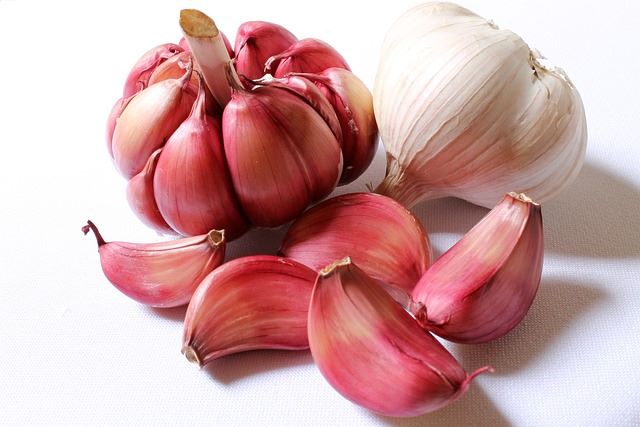
Image by Adriano Gadini from Pixabay
Garlic has been used for centuries for its medicinal properties, including its ability to lower blood pressure.
The ancient Egyptians, Greeks, and Romans used garlic for various ailments. It has been a staple in traditional medicine systems like Ayurveda and Traditional Chinese Medicine.
Garlic extract contains allicin, a sulfur-containing compound formed when garlic cloves are crushed or chopped. Allicin helps relax blood vessels and improve blood flow by stimulating nitric oxide production.
Numerous studies have shown that taking garlic extract supplements can help reduce systolic and diastolic blood pressure in people with hypertension.
For example, a meta-analysis published in the Journal of Clinical Hypertension analyzed data from 20 trials involving 970 participants and found that garlic supplementation led to significant reductions in both systolic and diastolic blood pressure compared to a placebo.
A typical dose of garlic extract ranges from 600-1200 mg daily, divided into two or three doses.
It’s important to choose a standardized garlic supplement that contains a consistent amount of allicin, usually specified as a percentage of the total extract (e.g., 1-3% allicin content).
As with any supplement, it’s essential to consider garlic extract as part of a comprehensive hypertension management plan that includes dietary changes, exercise, and other lifestyle modifications.
J. Vitamin D
Vitamin D is a fat-soluble vitamin crucial in maintaining bone health, immune function, and regulating blood pressure.
Research has shown that low levels of vitamin D are linked to hypertension. Supplementing with vitamin D can help lower blood pressure, especially in those who are deficient.
The recommended daily vitamin D intake varies depending on age, sex, and life stage. Generally, it falls between 600-800 IU daily for most adults.
K. Pine bark extract
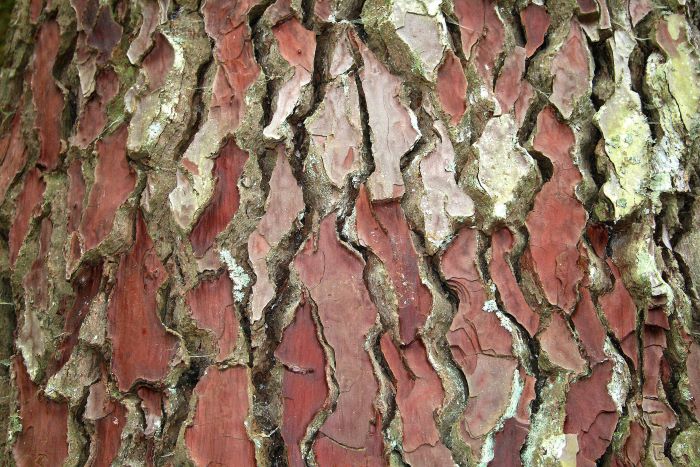
Pinus pinaster. (2023, February 23). In Wikipedia.
Pine bark extract, derived from the bark of the French maritime pine tree (Pinus pinaster), is rich in powerful antioxidants called proanthocyanidins, a class of bioflavonoids.
These compounds have been shown to help reduce inflammation, protect blood vessels, and improve blood flow by enhancing nitric oxide production. This molecule helps relax blood vessels.
The typical pine bark extract dosage ranges from 150-300 mg per day, often divided into two or three smaller doses.
It’s important to note that while pine bark extract may offer benefits for managing blood pressure, it should not replace conventional treatments prescribed by your healthcare provider.
Instead, consider it an adjunct therapy alongside a comprehensive hypertension management plan that includes dietary changes, exercise, and other lifestyle modifications.
L. Nettle
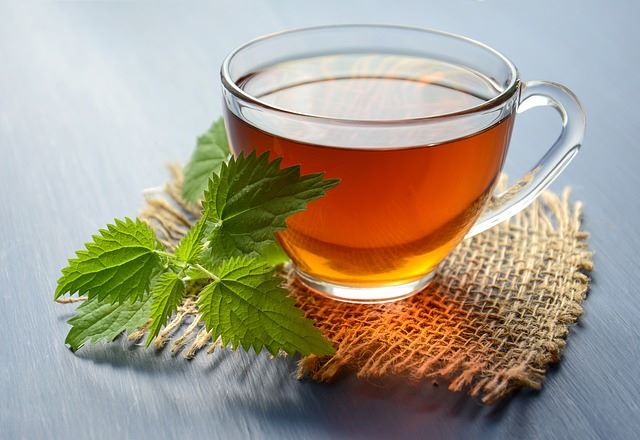
Nettle (Urtica dioica) is a plant with a long history of medicinal use dating back to ancient Greece and Rome. It was used to treat various ailments, including joint pain and respiratory issues.
Recently, nettle’s potential to lower blood pressure has also gained attention. Nettle contains multiple compounds, such as flavonoids like quercetin, kaempferol, and polyphenols, which exhibit anti-inflammatory and antioxidant properties.
These compounds can help relax blood vessels, reduce inflammation, and lower blood pressure.
Nettle supplements are available in various forms, including:
- Capsules (typically containing 300-500 mg of dried nettle leaf per capsule)
- Tinctures (usually with a recommended dose of 2-3 mL taken three times daily)
- Teas (often prepared by steeping 1-2 teaspoons of dried nettle leaves in hot water for 10-15 minutes).
Keep in mind that while nettle may offer some benefits in managing blood pressure, it’s essential to use it as part of a comprehensive hypertension management plan that includes dietary changes, exercise, and other lifestyle modifications.
K. Create a personalized dietary plan for success
Now, we have all the ingredients, but how do we cook this “lower blood pressure” meal? Do we dump everything into the pot and hope for the best?
Of course not!
When lowering your blood pressure through diet, there’s no one-size-fits-all solution. Instead, consider a more focused approach by selecting key strategies tailored to your needs and preferences.

Here’s a more specific plan to help lower blood pressure naturally:
1. Prioritize diet
Focus on consuming a balanced and nutrient-dense diet that supports healthy blood pressure.
The DASH (Dietary Approaches to Stop Hypertension) diet is a proven diet emphasizing fruits, vegetables, whole grains, lean proteins, and low-fat dairy products.
Key nutrients to include in your diet are:
- Potassium: Found in bananas, sweet potatoes, beans, yogurt, and leafy greens.
- Magnesium: Found in legumes, whole grains, nuts, seeds, and leafy greens.
- Omega-3 fatty acids: Found in fatty fish, walnuts, flaxseeds, and chia seeds.
- Vitamin D: Found in fatty fish, fortified dairy products, and egg yolks; also obtained through sun exposure.
2. Choose targeted supplements
Based on your individual needs and your healthcare provider’s advice, select one or two over-the-counter supplements to try.
Some popular options include:
- Coenzyme Q10
- L-arginine
- Garlic extract
- Pine bark extract
- Nettle
Remember to consult your healthcare provider before starting any new supplement.
3. Incorporate cacao into your routine
You can enjoy its blood pressure-lowering benefits while also satisfying your taste buds. Here are some suggestions:
Consume dark chocolate: Opt for at least 70% cacao content dark chocolate. Aim for a moderate portion, such as 1-2 squares per day, as dark chocolate is still calorie-dense and can contribute to weight gain if consumed excessively.
Add cacao nibs or unsweetened cacao powder to your diet: Both cacao nibs and unsweetened cacao powder are versatile and can be easily added to various recipes, such as smoothies, oatmeal, yogurt, or homemade energy bars. They provide the same flavonoid benefits without added sugars or fats.
Replace sugary beverages with cacao-based drinks: Instead of consuming sugar-sweetened beverages, prepare a hot or cold drink with unsweetened cacao powder and a natural sweetener, such as stevia or honey, if desired. Add a dash of cinnamon or nutmeg for extra flavor.
4. Limit sodium intake
Reduce your salt intake by avoiding processed foods, cooking at home more often, and using herbs and spices to flavor your food instead of salt.
5. Limit alcohol and caffeine consumption
Drink alcohol in moderation (if at all), and be mindful of your caffeine intake.
By focusing on a few key dietary and lifestyle changes, you can work towards lowering your blood pressure naturally, practically, and sustainably.
It’s essential to regularly monitor your blood pressure and consult with your healthcare provider to ensure that your chosen strategies are effective and safe.
????
In conclusion, making dietary changes is a powerful and often overlooked strategy for managing hypertension.
Incorporating potassium-rich foods, cacao, vegetable juices, omega-3 fatty acids, magnesium, and other supplements can significantly lower your blood pressure and reduce your reliance on medications.
Remember, the key to success is personalization, experimentation, and persistence. With dedication and the right dietary plan, you can take control of your hypertension and improve your overall health.
VI. Lifestyle Changes for Managing Hypertension
A. Achieving a healthy weight
B. Reducing coffee and alcohol intake
C. Quitting smoking
D. Increasing physical activity
E. Incorporating relaxation techniques
F. Benefits of sauna use
Image by NoName_13 from Pixabay
While dietary changes can significantly impact your blood pressure, it’s important to remember that a holistic approach to hypertension management is key.
In this section, we’ll explore various lifestyle changes that can help you take control of your blood pressure and live a healthier, happier life.
A. Shedding excess weight: The heavyweight of hypertension
Carrying excess weight is a significant risk factor for developing high blood pressure. The added pounds strain your heart and blood vessels, making it harder for your circulatory system to function properly.
The benefits of weight loss
Losing even a small amount of weight can significantly affect your blood pressure levels. Studies have shown that losing just 5-10% of your body weight can dramatically reduce blood pressure, and the more weight you lose, the greater the improvement.

Strategies for successful weight loss
Set realistic goals: Set achievable weight loss targets to maintain in the long run. Aim for a gradual weight loss of 1-2 pounds per week.
Focus on a balanced diet: Incorporate whole, nutrient-dense foods into your meals, such as fruits, vegetables, lean proteins, whole grains, and healthy fats.
Monitor portion sizes: Keep track of your portion sizes to avoid overeating.
Stay physically active: Combine regular exercise with a healthy diet for optimal weight loss results.
B. Caffeine and alcohol: The hidden culprits
Both caffeine and alcohol can have a negative impact on your blood pressure levels. While moderate caffeine consumption is generally safe for most people, excessive intake can lead to a temporary spike in blood pressure.
Similarly, drinking alcohol in moderation (1 drink per day for women and two drinks per day for men) is considered safe. Still, excessive consumption can lead to high blood pressure and other health issues.

Strategies for reducing caffeine and alcohol intake
Gradually decrease your consumption: Reduce caffeine and alcohol intake slowly to avoid withdrawal symptoms and cravings.
Opt for healthier alternatives: Replace caffeinated and alcoholic beverages with healthier options like herbal tea, water, or sparkling water with a splash of fruit juice.
Be mindful of your triggers: Identify situations or emotions that prompt you to reach for caffeine or alcohol, and develop alternative coping strategies.
C. Quitting smoking: A breath of fresh air
Smoking is a major contributor to high blood pressure and other cardiovascular problems. Quitting smoking can significantly improve your blood pressure levels and overall heart health.

Tips for quitting smoking
Set a quit date: Choose a specific date to quit smoking and stick to it.
Seek support: Reach out to friends, family, or a support group to help you through the quitting process.
Consider nicotine replacement therapy: Nicotine patches, gum, or lozenges can help manage cravings and ease withdrawal symptoms.
Stay active: Exercise can help reduce cravings and improve your overall health.
D. Exercise: Your heart’s best friend
Regular physical activity is crucial for maintaining healthy blood pressure levels. Exercise strengthens your heart, improves blood flow, and helps you maintain a healthy weight.
Finding the right exercise routine
Aim for at least 150 minutes of moderate-intensity aerobic exercise (like brisk walking) or 75 minutes of vigorous-intensity aerobic exercise (like running) per week.
Incorporate strength training exercises at least two days per week.
Choose activities you enjoy, making it easier to stick to your routine.
E. Relaxation techniques: Calming your mind and body
Stress can significantly impact blood pressure, causing it to spike in response to challenging situations.
Chronic stress can also lead to unhealthy habits, such as overeating, smoking, or excessive alcohol consumption, further exacerbating hypertension.
The benefits of relaxation
Learning to manage stress and incorporating relaxation techniques into your daily routine can lower your blood pressure and improve your overall well-being.
These techniques can help activate your body’s natural relaxation response, which can counteract the adverse effects of stress.

Strategies for incorporating relaxation techniques
Deep breathing exercises
Taking slow, deep breaths can help lower blood pressure by stimulating the body’s relaxation response.
Practice deep breathing for a few minutes daily, focusing on inhaling deeply and exhaling slowly.
Progressive muscle relaxation
This technique involves tensing and relaxing different muscle groups in a specific order.
By becoming more aware of the sensations of tension and relaxation, you can learn to release stress more effectively.
Meditation
Regular meditation practice can help calm your mind and reduce stress, leading to lower blood pressure. Try various meditation styles, such as mindfulness, loving-kindness, or body scan, to find the one that suits you best.
Yoga and tai chi
These mind-body practices combine physical movement, deep breathing, and meditation, making them ideal for reducing stress and improving blood pressure.
Visualization
Imagining yourself in a calm, peaceful environment can help activate your body’s relaxation response and lower blood pressure.
Practice visualization for a few minutes each day, focusing on the sights, sounds, and sensations of your imagined place.
F. Sauna therapy: A steamy solution

Image by Fernando Zamora from Pixabay
Sauna therapy has been linked to several cardiovascular benefits, including reduced blood pressure.
Regular sauna use can help improve blood vessel function, increase heart rate variability, and promote relaxation, lowering blood pressure.
Tips for incorporating sauna therapy
Start with short sessions: Begin with 10 to 15-minute sessions and gradually increase the duration as you become more accustomed to the heat.
Hydrate before and after: Ensure you drink plenty of water before and after your sauna session to replenish any fluids lost through sweating.
Consult with your healthcare provider: Discuss any pre-existing health conditions with your healthcare provider before starting sauna therapy to ensure it’s safe and appropriate for you.
????
In conclusion, making lifestyle changes is an essential part of managing hypertension.
By losing weight, reducing caffeine and alcohol consumption, quitting smoking, exercising regularly, practicing relaxation techniques, and incorporating sauna therapy, you can take control of your blood pressure and enjoy a healthier, more fulfilling life.
Remember that persistence is key; even small changes can significantly impact your blood pressure and overall health.
VII. Embracing a Holistic Approach to Hypertension Management
Recap of natural therapies and their benefits
The importance of a comprehensive approach to hypertension management
Take charge of one’s health and well-being!
As we wrap up our journey through the world of natural therapies and lifestyle changes for hypertension, it’s time to take a step back and appreciate the bigger picture.
The road to better blood pressure control isn’t a one-size-fits-all formula but rather a holistic approach that embraces multiple facets of your life. Every choice can contribute to a healthier, happier, and more vibrant you, from the foods you eat to the activities you engage in.
So, what does this mean for your future? It means that you can transform your life and keep hypertension at bay with determination and consistency.
No more feeling like a prisoner to high blood pressure or worrying about potential complications lurking around the corner. Instead, imagine waking up each morning energized and ready to seize the day, knowing you’re actively taking charge of your health.
Picture yourself enjoying a delicious, nutrient-rich meal packed with fresh vegetables, whole grains, and heart-healthy fats as you savor the flavors and the knowledge that you’re nourishing your body and supporting optimal blood pressure levels.
Envision a daily routine filled with invigorating physical activities that strengthen your heart, boost your mood, and keep your blood pressure in check.
Visualize moments of serenity as you incorporate relaxation techniques that help you unwind and release the day’s tensions, leading to a calmer, more centered you.
And lastly, imagine the satisfaction of knowing you’ve taken control of your hypertension without relying solely on medications and their potential side effects.
????
In conclusion, embarking on this holistic journey towards better blood pressure management is truly an investment in your health and well-being. It’s not always easy, and there may be challenges along the way, but the rewards are more than worth it.
After all, you deserve to live a life free from the constraints of hypertension, filled with energy, vitality, and boundless potential.
Image by Simone_ph from Pixabay
So, let’s raise a glass (of water, of course) to your bright and healthy future, and remember that with every positive change you make, you’re one step closer to conquering hypertension and living life to the fullest.
Cheers to your success, and may your journey be as rewarding as the destination!
This is the video version


