Introduction
Step into our post filled with essential foot care wisdom for seniors. Recognizing that happy, healthy feet are fundamental to overall well-being, we offer eight straightforward tips.
So, let’s stride together towards better foot health starting from this moment!
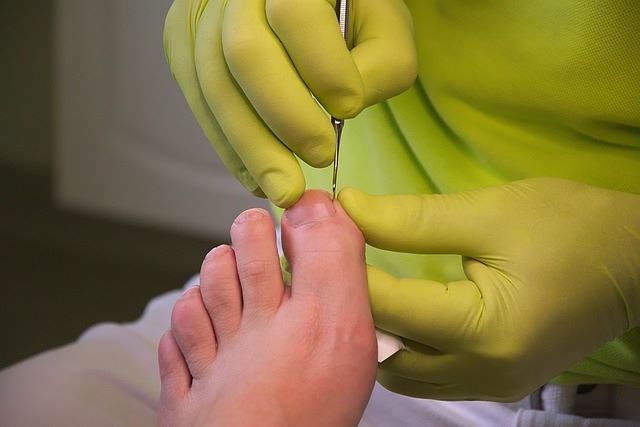
Image by Hans Linde from Pixabay
1. Maintain Proper Foot Hygiene
Encourage seniors to wash their feet daily with warm water and mild soap. After washing, ensure they thoroughly dry their feet, paying attention to the spaces between the toes.
Proper foot hygiene helps prevent infections and keeps feet fresh.
2. Keep Nails Trimmed and Clean
Advise seniors to trim their toenails straight and avoid cutting them too short. Proper nail care reduces the risk of ingrown nails and associated complications.
Additionally, remind them to clean under their nails regularly to maintain cleanliness.
3. Wear Comfortable and Supportive Footwear
Emphasize the importance of wearing well-fitting, comfortable shoes that provide adequate support. Encourage seniors to select footwear with cushioning, good arch support, and a wide toe box.
Well-chosen shoes alleviate foot pain and reduce the risk of developing foot problems.
4. Practice Daily Inspections
Encourage seniors to inspect their feet daily, paying attention to changes in color, swelling, or sores.
Promptly addressing abnormalities allows for early detection of potential foot problems and enables timely intervention.
5. Keep Feet Moisturized
To prevent dryness and cracking, seniors should use a gentle moisturizer on their feet. Massaging the moisturizer into the feet improves blood circulation and keeps the skin supple and healthy.
6. Promote Proper Blood Circulation
Highlight the importance of regular physical activity to improve blood circulation in the feet. Walking, swimming, or simple foot exercises help maintain optimal circulation and overall foot health.
7. Seek Professional Podiatric Care
Advise seniors to schedule regular visits to a podiatrist for comprehensive foot examinations. A podiatrist can identify and address underlying foot conditions, provide tailored advice, and offer appropriate treatment.
8. Address Foot Pain or Problems Promptly
Remind seniors to address any foot pain, discomfort, or unusual symptoms promptly. Ignoring foot problems can lead to complications and affect overall mobility and well-being.
Encourage them to seek medical attention for proper diagnosis and treatment.
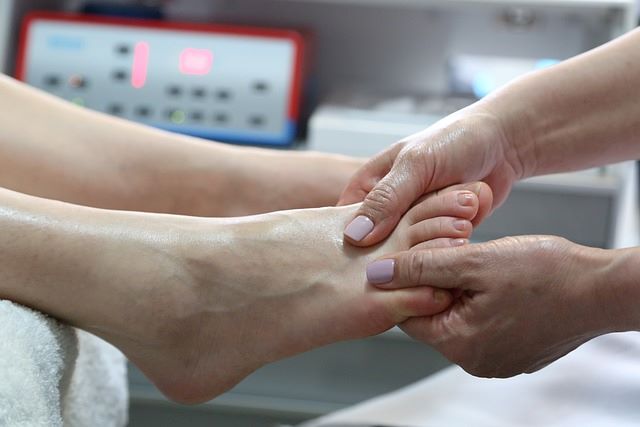
Image by wangyanwei from Pixabay
Podiatric care is essential for seniors due to several reasons:
Foot Health:
As we age, our feet undergo natural changes, such as loss of fat padding, reduced elasticity, and decreased blood circulation. These changes can lead to various foot problems like corns, calluses, fungal infections, and deformities.
Podiatric care helps identify and address these issues to maintain foot health.
Diabetic Foot Care:
Seniors with diabetes are prone to developing foot complications such as neuropathy (nerve damage), peripheral arterial disease (reduced blood flow), and foot ulcers.
Podiatrists play a crucial role in diabetic foot care, providing preventive measures, regular assessments, and specialized treatments to prevent complications and reduce the risk of amputation.
Arthritis and Joint Conditions:
Arthritis and other joint conditions are common among seniors and can significantly impact foot health.
Podiatrists can guide managing foot pain, recommend appropriate footwear, prescribe orthotic devices to support joints, and administer treatments like corticosteroid injections or physical therapy.
Fall Prevention:
Falls are a significant concern for seniors and can lead to severe injuries.
Podiatrists assess foot and ankle stability, identify potential hazards, and recommend interventions to improve balance and reduce the risk of falls.
They can also address foot pain or abnormalities contributing to balance issues.
Foot Care Education:
Podiatrists offer valuable education on proper foot care techniques, including nail trimming, moisturizing, foot hygiene, and footwear selection.
Seniors may benefit from guidance on self-examination, early detection of foot problems, and maintaining overall foot health.
Chronic Conditions:
Many seniors live with chronic conditions like peripheral vascular disease, neuropathy, or rheumatoid arthritis. These conditions can significantly impact foot health.
Podiatric care helps manage these conditions, providing treatments to alleviate symptoms, prevent complications, and improve overall quality of life.
Customized Treatment Plans:
Each individual has unique foot care needs. Podiatrists create personalized treatment plans based on specific foot conditions, medical history, and seniors’ lifestyles.
These tailored approaches ensure comprehensive care and address individual concerns effectively.
🍈
By seeking podiatric care, seniors can benefit from specialized knowledge, early detection of foot problems, preventive measures, and timely interventions.
Regular visits to a podiatrist contribute to maintaining foot health, mobility, and overall well-being, enabling seniors to lead active and comfortable lives.
Conclusion
Congratulations on completing our guide on essential foot care tips for seniors.
By maintaining proper foot hygiene, keeping nails trimmed, wearing comfortable footwear, practicing daily inspections, moisturizing the feet, promoting adequate circulation, seeking professional care, and addressing foot pain promptly, seniors can enjoy healthy and happy feet.


