[lwptoc]
Introduction: The Unseen Battle of Parkinson’s Disease
Like an iceberg, most of what Parkinson’s disease entails remains unseen beneath the surface. It’s a neurodegenerative disorder that may start as an almost invisible tremor but can evolve into a life-altering condition.
The journey of Parkinson’s is often laden with unknowns and uncertainties, making it crucial for patients, caregivers, and families to delve beneath the surface and understand its intricacies.
Parkinson’s disease strikes when dopamine-producing cells in the brain start to deteriorate. This dopamine deficiency manifests in many symptoms, including tremors, rigidity, and balance issues.
Over time, these physical changes become more noticeable, often accompanied by non-motor symptoms such as mood disorders, sleep disturbances, and cognitive changes.
While there is no cure for Parkinson’s disease, this doesn’t spell doom and gloom. With early diagnosis, appropriate care, and targeted therapies, people with Parkinson’s can lead fulfilling lives.
The real challenge, and perhaps the first victory, lies in understanding and navigating this complex condition.
In this article, we’ll unravel the mysteries of Parkinson’s, walk in the shoes of caregivers, and delve into strategies to manage the disease. Buckle up for an enlightening journey into the world of Parkinson’s disease.

Image by Jacques GAIMARD from Pixabay
2. Decoding Parkinson’s: Unveiling the Mysteries
Parkinson’s disease, named after the English doctor James Parkinson who first identified it in 1817, is a progressive neurological disorder affecting movement.
This condition primarily impacts neurons in an area of the brain called the substantia nigra. As these dopamine-producing neurons die, dopamine levels in the brain decrease, leading to the classic motor symptoms of Parkinson’s.
Although the exact cause of Parkinson’s remains unknown, it’s believed to involve a combination of genetic and environmental factors.
Certain gene mutations have been identified that can increase the risk, and exposure to certain toxins or environmental factors may also contribute to the disease’s development.
However, these are risk factors, not deterministic factors, meaning not everyone with these genes or exposures will develop Parkinson’s.
When it comes to symptoms, Parkinson’s often manifests subtly.
It might begin with a slight tremor in one hand, something as simple as a pill-rolling tremor, named for the back-and-forth rubbing of the thumb and forefinger.
Over time, other symptoms such as stiffness, slowed movement (bradykinesia), and balance problems may develop.
Motor symptoms usually lead individuals to seek medical advice, but Parkinson’s also has many non-motor symptoms. These can include sleep disorders, mood changes, cognitive issues, and changes in smell, to name a few.
For example, consider Tom, a retired teacher who first noticed his handwriting shrinking. This micrographia was the first signal that something was amiss.
Further investigation revealed a slight tremor and a distinct decrease in his sense of smell. An eventual diagnosis of Parkinson’s helped Tom and his family understand these seemingly unrelated changes.
????
Unraveling the mysteries of Parkinson’s disease involves acknowledging its complexity, from its unknown causes to its diverse symptoms.
Understanding the disease is the first step toward effective management and care.
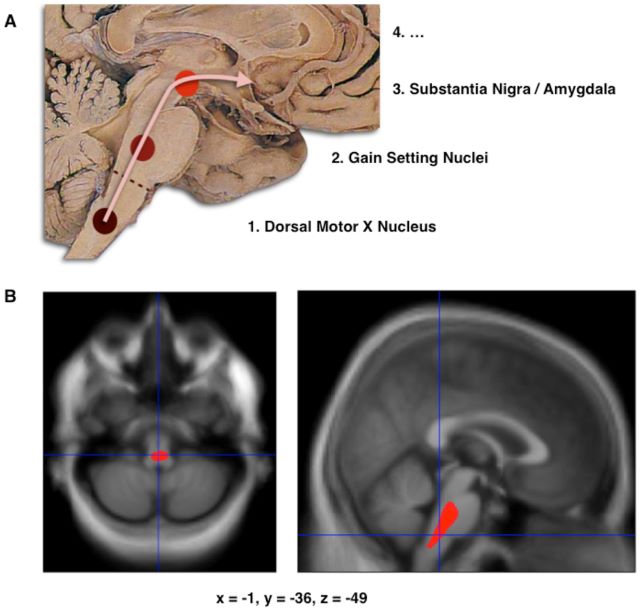
File:Journal.pone.0008247.g001.png. In Wikipedia.
A. progression of Lewy body deposits in brain stem. B. Area brain volume reduction. Source: wikipedia.
3. Walking Hand in Hand: The Caregiver’s Role
In the labyrinth of Parkinson’s, caregivers often serve as guiding lights. They shoulder responsibilities beyond the physical realm, navigating emotional turbulence and providing unwavering support.
Caregivers are unsung heroes, standing shoulder-to-shoulder with their loved ones and fighting Parkinson’s every step of the way.
The caregiver’s journey can be as complex as the disease itself.
Their role is not confined to medical administration or physical assistance; it often includes emotional support, lifestyle adjustments, and advocating for the person they care for.
Understanding the emotional and physical challenges caregivers face is crucial for appreciating the magnitude of their role.
For instance, a devoted wife, Jane, found her life taking an unexpected turn when her husband, David, was diagnosed with Parkinson’s.
As David’s primary caregiver, Jane learned to manage medication schedules, assist with physical tasks, and adapt to changes in her husband’s mood and behavior. All these while maintaining her full-time job.
In addition to the everyday tasks, Jane navigated a sea of emotions.
Frustration, helplessness, fear, and fatigue often crept in, casting a shadow on her unyielding resolve. Yet, Jane pressed on, finding strength in her love for her husband and the support network she built around herself.
A strong support network is crucial in this journey. It can include doctors, therapists, support groups, friends, and extended family.
This network provides a lifeline to caregivers, offering emotional solace, practical advice, and sometimes, just a listening ear.
????
Walking hand in hand with Parkinson’s is not an easy journey. It takes courage, resilience, and unwavering commitment.
But remember Jane’s story; she is not alone. Many like her rise to the challenge daily, providing care and love in the face of adversity.
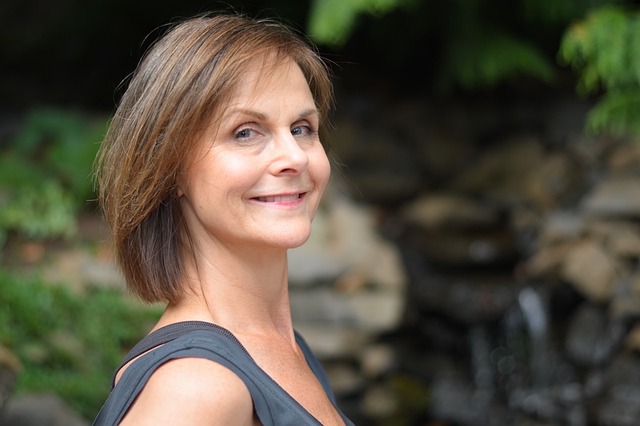
Image by KimBrown1 from Pixabay
4. Tools of the Trade: Managing Parkinson’s Disease
Tackling Parkinson’s disease is like assembling a complex jigsaw puzzle – it requires the right tools, a strategic approach, and a hefty dose of patience.
The “tools” in this context encompass medications, therapies, and lifestyle adjustments that can help manage the condition effectively.
On the medication front, levodopa is the most common treatment for Parkinson’s.
It works by replacing the lost dopamine in the brain, helping to control motor symptoms. Other medications, such as dopamine agonists and MAO-B inhibitors, may also be used alone or in combination with levodopa.
Let’s look at the story of Lisa, a vibrant woman in her sixties diagnosed with Parkinson’s. The medication helped her regain control over her life.
With levodopa, her tremors reduced, and she could return to her beloved pastime of painting, a hobby she feared she might have to abandon.
However, medication is just one piece of the puzzle. Physical and occupational therapies play crucial roles in maintaining mobility and independence.
Lisa, for instance, began regular sessions with a physiotherapist who designed a program specifically for her. These sessions helped her improve her strength and balance, enhancing her quality of life.
The role of diet and exercise cannot be overstated. A balanced diet ensures that the body receives the necessary nutrients to manage symptoms and potential side effects of medication.
Exercise, particularly those emphasizing balance and flexibility like Tai Chi and Yoga, can significantly help manage Parkinson’s symptoms.
Beyond these, it’s crucial to maintain regular sleep patterns and manage stress effectively. In Lisa’s case, she found solace in meditation and painting, which helped keep her stress levels in check.
????
Managing Parkinson’s disease involves a multi-pronged approach that combines medication, therapy, and lifestyle changes. The journey may be challenging, but with the right “tools,” it is possible to lead a fulfilling life.

Image by Francine Sreca from Pixabay
5. Beyond Medication: The Power of a Positive Environment
In the battle against Parkinson’s, the power of a positive environment is often overlooked. But creating a supportive, understanding, and patient-friendly space can significantly influence the quality of life for someone with this condition.
After all, battling Parkinson’s is a mental and emotional journey beyond the physical realm.
Consider John, a retired engineer diagnosed with Parkinson’s.
While John’s family was initially overwhelmed by his diagnosis, they recognized the importance of their role in his journey. They set out to transform their home into a haven of positivity and understanding.
Firstly, they ensured their home was safe and accessible, installing handrails, removing loose rugs, and organizing furniture to facilitate easier movement. The physical changes, however, were just the tip of the iceberg.
The family also worked on communication, learning to understand and respond effectively to John’s changing needs.
They focused on patience, listening, and open dialogue, fostering an environment where John felt understood and supported.
Additionally, they tried to keep John involved in family activities and decision-making, reinforcing his sense of independence and self-worth.
Importantly, they also invested time in educating themselves about Parkinson’s, joining support groups, and consulting with healthcare professionals. They aimed to understand John’s condition better, allowing them to provide more effective care.
As a result, John felt supported, valued, and less isolated. He was more motivated to participate in his therapies, adhered to his medication schedule, and overall reported improved quality of life.
????
Creating a positive environment is not about grand gestures or significant changes. It’s about understanding, empathy, and inclusion. It’s about remembering that Parkinson’s doesn’t define a person.
As John’s family demonstrates, with a little effort, it’s possible to create a supportive space that significantly aids in managing Parkinson’s disease.
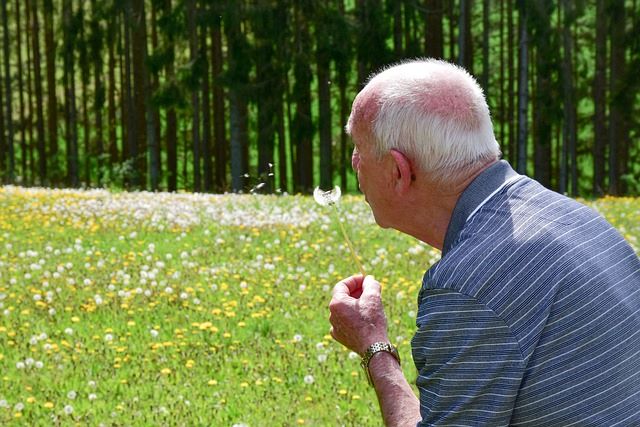
Image by -Rita-???????? und ???? mit ❤ from Pixabay
6. The Silver Lining: Finding Hope Amidst Parkinson’s
Navigating Parkinson’s disease can often feel like being trapped in a storm. Still, amidst the dark clouds, there’s always a silver lining. This comes from improved treatments, groundbreaking research, and a supportive community.
Consider the advancements in Deep Brain Stimulation (DBS), a surgical treatment option for Parkinson’s.
DBS has given hope to people like Margaret, whose symptoms dramatically reduced post-surgery. She could resume gardening, an activity she dearly loved but had to forego due to her condition.
Moreover, hope is embedded in the relentless pursuit of a cure for Parkinson’s by dedicated scientists around the globe. For instance, they’re investigating the genetic foundations of the disease, keenly examining genes like LRRK2 and PRKN, known to be mutated in certain forms of Parkinson’s.
Additionally, they’re delving into the gut-brain axis, an area of research that has piqued interest in recent years. This investigation revolves around how gut health may influence neurological conditions, specifically how a healthy gut microbiome may potentially prevent or slow the progress of Parkinson’s.
Beyond that, they’re also making headway in devising new treatments. There’s continuous work on deep brain stimulation techniques, exploring levodopa inhalers for immediate relief from motor symptoms, and experimenting with stem cell treatments to regenerate damaged neurons.
In the face of Parkinson’s disease, science refuses to rest, continually offering a beacon of hope to those affected.
In addition, supportive communities bring warmth and camaraderie to those affected by Parkinson’s. Through online forums, support groups, and charity events, individuals connect, share their experiences, and inspire others to keep fighting.
????
Living with Parkinson’s is undoubtedly challenging, but it’s essential to remember the silver linings. These glimpses of hope inspire resilience and strength, painting a hopeful future amidst the present challenges.

Image by sindhu digital from Pixabay
7. Conclusion: Navigating Parkinson’s Together
Parkinson’s disease is a multifaceted challenge, presenting a mosaic of physical, emotional, and social hurdles. However, with knowledge, resilience, and community, it’s possible to chart a course through this complex landscape.
We’ve journeyed through understanding Parkinson’s, the crucial role of caregivers, the arsenal of available treatments, the impact of a supportive environment, and the ever-present silver linings.
But the journey doesn’t end here. As new research unfolds and treatments advance, the path becomes slightly clearer and less daunting.
With every stride of progress, each personal triumph, we’re reminded of the power of unity in the face of adversity. It’s not just about living with Parkinson’s—it’s about thriving despite it.
And as we navigate these turbulent waters, we do so hand in hand, sharing the burdens and the triumphs, celebrating the human spirit’s resilience and hope.
For in the end, we’re all in this together. And together, we are stronger.


