[lwptoc]
1. Introduction
In the tapestry of human life, there are threads of joy, sorrow, triumphs, and challenges.
When a loved one is diagnosed with dementia, an intricate part of this tapestry unravels. It’s a journey that intertwines fear, sorrow, love, patience, and resilience.
Dementia, a term that paints a picture of more than just forgetfulness, affects millions of individuals and their families globally. With this condition, what’s required is not just medical intervention but also a hearty measure of understanding, patience, and compassion.
In this simple guide, we will traverse the winding paths of dementia care. Together, we’ll debunk common misconceptions, shed light on preparation strategies, explore supportive networks, and arm ourselves with practical tools for providing care.
So buckle up, dear reader, as we embark on this enlightening journey of embracing dementia care.

2. Unveiling Dementia: More Than Just Forgetfulness
Dementia is often misrepresented as mere forgetfulness, a misunderstanding that muddles the actual depth of the condition.
It’s a neurological ailment that reaches far beyond memory loss, seeping into every crevice of a person’s cognitive abilities.
Dementia is an umbrella term for a spectrum of brain disorders, the most well-known being Alzheimer’s. It also includes lesser-known variants like vascular dementia, Lewy body dementia, and frontotemporal dementia.
Each type has its distinct cocktail of symptoms, painting a varied landscape of cognitive impairment.
While memory loss is the poster child of dementia symptoms, other cognitive aspects, such as language, attention, problem-solving, and visual perception, also take a hit.
Picture a seasoned pianist suddenly struggling to decipher music notes, a passionate chef forgetting the recipe to his signature dish, or a doting grandfather unable to recognize his beloved grandchildren.
Moreover, emotional and behavioral changes often accompany these cognitive symptoms.
Mood swings, anxiety, apathy, and even hallucinations are not uncommon, making dementia a multidimensional challenge that necessitates a well-rounded understanding.
🍆
As we lift the veil off dementia, acknowledging the breadth and depth of its impact is the first step towards effective care.
With this understanding, we can tailor our approach to cater to the unique needs of our loved ones living with dementia.

Image by Sarah Richter from Pixabay
3. The Pillars of Dementia Care: Patience, Empathy, and Consistency
Caring for a loved one with dementia is akin to building a sturdy, comforting shelter in a storm. Just as a cover stands on solid pillars, effective dementia care also rests on three key foundations – patience, empathy, and consistency.
Firstly, let’s talk about patience.
With the progression of dementia, simple tasks become an uphill battle. Daily chores like dressing, eating, or bathing might become time-consuming. It’s like watching a slow-motion movie, but the remote is out of your reach.
This is when patience becomes your guiding star. Remember Jane, who allowed her father to dress himself every morning, even if it took an hour. It gave him a sense of autonomy and dignity, making the slow pace worthwhile.
Next comes empathy.
Dementia can be a disorienting experience, causing individuals to feel lost and scared. Imagine misplacing your glasses. Now multiply that feeling of confusion tenfold.
That’s a regular day for someone with dementia, like Sarah, who made it a point to step into her mother’s shoes and understand her fears.
She made her mother’s favorite cup of tea, turned on calming music, and held her hand when disoriented. It is a small gesture but a massive beacon of comfort for her mother.
Finally, there’s consistency.
A predictable routine is a safety blanket for those with dementia. It provides security and control in an otherwise chaotic mental landscape.
Consider the case of Tom, who designed a daily routine for his wife, including meal times, walks, and bedtime. This schedule became her anchor, reducing her anxiety significantly.
🍅
In essence, providing dementia care is about crafting an environment of understanding, comfort, and predictability. With patience, empathy, and consistency as the robust pillars, we can create a haven for our loved ones navigating the stormy seas of dementia.

4. Preparation: The Key to Weathering the Dementia Storm
In the realm of dementia care, being forewarned is being forearmed.
Just like seasoned sailors who study weather patterns before setting sail, caregivers must embark on a voyage of preparation. This involves education, creating a supportive environment, and planning for future needs.
Firstly, acquainting oneself with the ins and outs of dementia is paramount.
This isn’t about scouring medical textbooks or earning a neuroscience degree but about understanding the condition’s impact. Grasping the types, symptoms, progression, and management strategies equips caregivers to tackle potential challenges effectively.
Lisa, for instance, joined a local dementia education program, enabling her to better understand her husband’s condition and offer apt support.
Next is creating a dementia-friendly environment.
A familiar and safe space can reduce anxiety and accidents for individuals with dementia. This could mean removing clutter, installing safety locks, labeling doors, or keeping the house well-lit.
With these minor adjustments, David turned his home into a ‘dementia-safe zone,’ which helped his father navigate daily activities with increased confidence and safety.
Finally, preparation includes future planning.
Dementia is a progressive disease, meaning the care needs will evolve. Anticipating these changes and preparing for them can lighten the future load.
Knowing her mother’s condition would eventually require full-time care; Mary began exploring assisted living facilities in advance. This foresight eased their transition when the time came.
🥕
Keep in mind, preparation is a dynamic process, not a one-off event. It requires regular adjustments based on the changing needs and conditions of the loved one.
However, with a proactive approach, caregivers can turn the intimidating dementia journey into a voyage of love, understanding, and resilient caregiving.
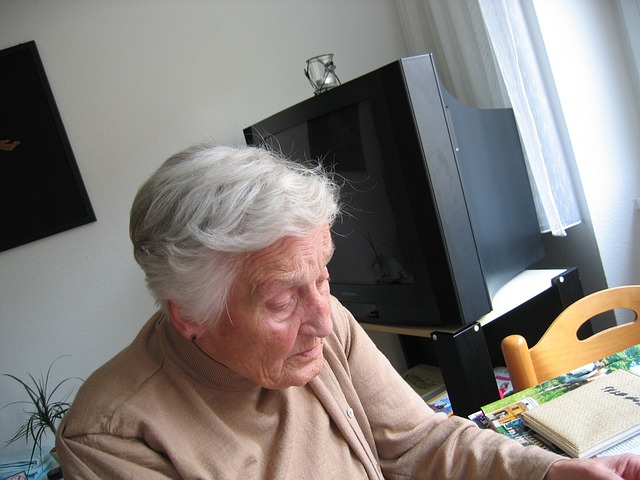
Image by Gerd Altmann from Pixabay
5. Harnessing Technology for Dementia Care: The Tools at Your Disposal
In this modern age, technology has an integral role in improving the quality of life for dementia patients and easing the caregiver’s journey.
Many innovative tech tools, including assistive devices, specialized software, and mobile applications, can significantly augment dementia care.
Consider assistive technology.
These devices are designed to boost safety and independence for those with dementia.
For example, GPS trackers can monitor the location of a loved one who tends to wander, providing caregivers with much-needed peace of mind.
Or take Mike, who used an automated pill dispenser to manage his mother’s complex medication regimen. This device ensured timely medication and significantly reduced the risk of dosage errors.
Next, we have specialized software and applications to enhance cognitive function and slow down dementia’s progression.
Apps like MindMate provide brain games to stimulate mental activity and maintain cognitive skills. Additionally, software that personalizes reminiscence therapy can boost mood and improve recall.
Remember Mary? She used a reminiscence app that customized photos and music from her husband’s youth, noticeably enhancing his mood and engagement.
Telehealth has revolutionized dementia care by bridging geographical gaps, offering remote consultations, monitoring, and even therapy.
Amidst the pandemic, Ellen managed her father’s dementia care remotely, thanks to telehealth services. Regular video consultations with doctors and therapists ensured his care was uninterrupted and of high quality.
Lastly, innovative home technology such as automated lighting, voice-activated devices, and security systems can create a safe environment.
For John, who cared for his dementia-affected aunt, installing an intelligent home system that controlled lights and locked doors at set times was a game-changer.
🫑
To conclude, embracing technology in dementia care is like equipping oneself with a Swiss army knife, where each tool has the potential to make a significant difference in managing dementia effectively.
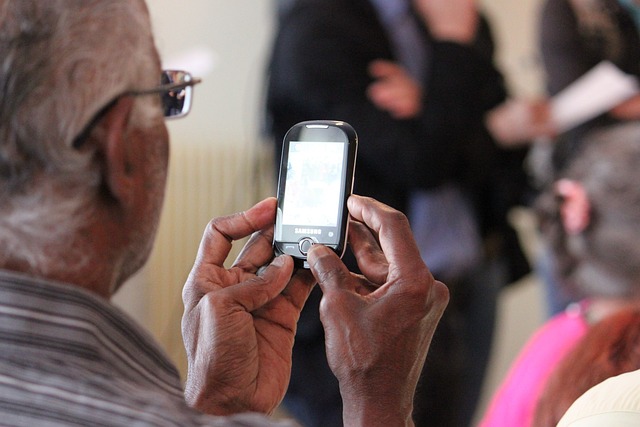
Image by Jérôme Choain from Pixabay
6. The Power of a Supportive Network: Fortifying Dementia Care
Just as a building relies on sturdy pillars for support, caregivers, too, need a robust network to lean on during their dementia care journey.
Often an eclectic mix of family, friends, medical professionals, and community resources, this network forms the backbone of efficient dementia care.
Family and friends are the primary links in this support chain. They not only provide emotional support but also step in to share the caregiving load when needed.
Take Jessica, whose sister’s assistance was instrumental in caring for their dementia-stricken mother. From accompanying their mother to doctor appointments to sharing night shifts, this sibling partnership was a pillar of strength for both of them.
Professional networks like physicians, therapists, and social workers provide the next level of support.
These experts offer valuable advice and therapeutic interventions and guide caregivers through the maze of healthcare bureaucracy.
When Peter was at a loss dealing with his wife’s sudden mood swings, their neurologist identified it as a symptom of dementia and guided them toward appropriate care.
Community resources such as adult day care centers, dementia support groups, and respite care services are another critical component of this supportive network.
Sarah, a single mother, and caregiver to her father with dementia, found solace in her local adult day care center. It ensured her father had stimulating companionship during the day and granted her some respite and time for self-care.
Digital platforms, too, play a significant role in modern caregiving networks.
Online forums, telehealth services, and informational websites offer easy access to knowledge, advice, and a global community of caregivers.
🥒
In essence, a well-knit supportive network empowers caregivers, making the challenging journey of dementia care navigable, less lonely, and more efficient.

Image by Dmitriy Gutarev from Pixabay
7. Fighting Stigma: Shattering Misconceptions about Dementia
Often fueled by misunderstanding and fear, stigma casts a long, distressing shadow over dementia. It breeds isolation, delays timely diagnosis, and impedes quality care.
Therefore, tackling this stigma is a critical component of dementia care.
A good starting point is education.
Debunking myths about dementia and spreading awareness about the disease helps break down barriers of fear and misunderstanding.
Let’s take the commonly held belief that dementia is just a part of aging. This isn’t true. Although age increases the risk, dementia isn’t a normal part of aging.
Educating people about such misconceptions is a vital step in combating stigma.
Positive portrayal of people with dementia also helps in eradicating stigma.
Promoting stories that highlight their abilities, instead of just focusing on the loss of skills, can change public perception.
Take the case of Mary, who, despite her dementia diagnosis, continues to create stunning pieces of art. Her story inspires others and underscores that a dementia diagnosis doesn’t diminish a person’s worth or potential.
Finally, engaging the community in dementia-related activities can help normalize the disease and promote understanding.
Organizing dementia-friendly events or workshops encourages open dialogue, reduces fear, and fosters an inclusive environment for those affected.
🥜
To sum up, fighting stigma in dementia is about fostering understanding, highlighting the positive, and promoting inclusivity. It’s about changing the narrative of fear to one of understanding and empathy.

Image by Sam Williams from Pixabay
8. Embracing the Journey: A Mindset for Dementia Care
Navigating the complex terrain of dementia care isn’t just about gaining knowledge and acquiring the right tools.
It’s also about adopting the right mindset — embracing the journey, cherishing the good moments, and learning from the challenges.
Embracing the journey is about maintaining positivity amidst the ups and downs.
Caregivers like Laura, who focuses on her mother’s infectious laughter rather than the progression of her dementia, testify to the power of a positive outlook.
It’s about celebrating the good days, the small victories, and the precious moments of connection, however fleeting they may be.
This mindset also involves acceptance.
Acceptance doesn’t mean giving up but acknowledging the reality of the disease and adapting accordingly.
James, for instance, learned to enter his wife’s reality rather than expecting her to align with his. This acceptance transformed their communication and eased their daily interactions.
Moreover, embracing the journey means practicing patience and resilience.
It’s about understanding that there will be challenging days but knowing that you possess the strength to persevere like Sarah, who, despite the struggles, remained steadfast in her commitment to her husband’s care.
🍠
In the end, dementia care is a journey of love, resilience, and profound learning. And like all journeys, it’s best approached with an open heart, a resilient spirit, and an embracing mindset.

Image by Kelsey Vere from Pixabay
9. Conclusion
In the intricate network of dementia care, understanding serves as the beacon illuminating the path.
It involves not only grasping the nature of the disease but also empathizing with the person who’s confronting it. It’s about arming ourselves with the right knowledge, resources, and perspective to deliver the best care.
In this endeavor, we’ve explored dementia from various angles, debunked myths, outlined the pillars of dementia care, and highlighted the importance of early preparation.
We delved into the transformative power of technology in dementia care, recognized the necessity of a supportive network, and discussed the pivotal role of fighting stigma.
Lastly, we underscored the importance of a positive, accepting, and resilient mindset that embraces the journey of dementia care.
Caring for someone with dementia might be one of the most challenging journeys you embark on, but it can also be one of the most rewarding.
It’s a journey filled with lessons about love, patience, resilience, the power of connection, and the enduring strength of the human spirit. And as we navigate this journey, it’s comforting to know we’re not alone.
After all, the light of understanding, the strength of a supportive network, and the power of love will guide us every step of the way.


