Introduction
Greetings, patient advocates and caregivers!
Welcome to a new chapter in your caregiving journey – understanding and obtaining medical records for seniors.
It might seem like a bureaucratic nightmare, but armed with the proper knowledge, you can untangle this maze with the finesse of a seasoned explorer.

Image by Joshua Woroniecki from Pixabay
Why the Need to Access Medical Records?
1. Unraveling the Complete Health Story
Medical records are a person’s health biography, chronicling past and present illnesses, treatments, medications, allergies, and more. It’s a comprehensive account that can fully reveal a senior’s health.
But unlike a gripping novel, this book might need a little decoding. More on that later!
2. Safety Net Against Medical Errors
Shocking yet true: medical errors rank as the third leading cause of death in the US.
But here’s where medical records can play a lifesaver role. Caregivers can identify inaccuracies or omissions by reviewing these records, potentially preventing serious consequences.
3. Smoother Doctor Visits
Ever felt overwhelmed during doctor visits, struggling to remember all medical details?
With medical records, you have a trusty reference, empowering you to have informed and productive discussions with healthcare providers.
The Art of Obtaining Medical Records
Now that we’ve established the ‘why,’ let’s delve into the ‘how.’
This process might seem intimidating, but with a step-by-step approach, you’ll soon navigate it like a pro.
1. Understanding the Legalities
Before starting on this quest, familiarize yourself with the law. The Health Insurance Portability and Accountability Act (HIPAA) empowers every patient with the right to access their medical records.
HIPAA is your legal armor in this quest for medical transparency!
2. Locating the Record Custodian
Every quest has a treasure; in this case, it’s the medical record held by a healthcare provider or facility – the custodian of the record.
Your mission, should you accept it, involves identifying this custodian. It might involve some detective work but remember, every piece of the puzzle brings you closer to your goal.
3. Filing a Request
Most facilities have a process and form for requesting medical records. It’s essential to complete the form meticulously. An incomplete or incorrectly filled form could send your request into bureaucratic oblivion.
Here’s a real-life scenario.
Betty, a tenacious caregiver, requested her mother’s medical records. She diligently filled in her mother’s full name, dates of treatment, and the specific records she needed.
Her thoroughness paid off when the hospital received and processed her request without any hurdles.
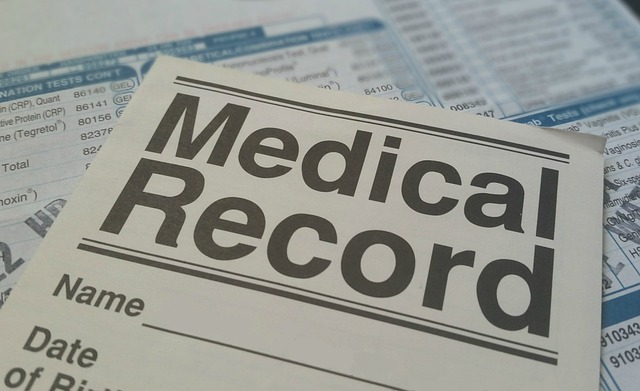
Image by vjohns1580 from Pixabay
Demystifying Medical Records
So you’ve managed to acquire the medical records. Time for a victory dance? Definitely! But the quest isn’t over yet.
1. Decoding Medical Terminology
Medical records often come with a side of complex medical jargon. But don’t be daunted. With the power of the internet at your fingertips, you can decipher these terms.
Several reputable medical websites provide easy-to-understand explanations for common and not-so-common medical terms.
Here are some reputable medical websites that can be immensely helpful in decoding medical terms and understanding various health conditions:
WebMD: This comprehensive health portal offers reliable, easy-to-understand information about various health conditions, medications, and general health and wellness.
Mayo Clinic: Mayo Clinic’s website provides in-depth information about diseases, conditions, tests, and procedures. Medical professionals author it, and it is a trusted source of health information.
MedlinePlus: This is a service of the U.S. National Library of Medicine and the National Institutes of Health. It provides information about diseases, conditions, and wellness issues in a language that is easy to understand.
Cleveland Clinic: Their health library is a reliable resource for disease-specific information, wellness content, and the latest health news.
Johns Hopkins Medicine: This website has health information and resources about diseases, conditions, and procedures. It also has interactive patient care guides and tools.
Remember, while these sites are respected and provide a wealth of information, they should not replace professional medical advice. Always consult a healthcare provider for any health-related concerns or queries.
2. Spotting Potential Errors
Stay alert for any inconsistencies or inaccuracies as you sift through the records.
Be it an incorrect patient detail, a missing medical history, or an incorrect medication dosage, your vigilance can prevent future complications.
Practical Strategies for Your Endeavor
We want to help make your journey smoother with these carefully crafted pointers, illuminated by real-world examples:
Keep a Personal Archive
Just like a treasure map guiding a weary adventurer, maintaining a personal copy of medical records is an essential reference in times of need.
This includes all the information from doctor’s visits, hospital stays, prescriptions, lab results, and immunization records, amongst other things.
Imagine the convenience of having all this information at your fingertips when discussing your senior’s health condition with a new specialist rather than waiting for official copies from various healthcare providers.
Seek Aid from Advocates
Should you encounter a formidable obstacle, such as being denied access to the records, don’t hesitate to call for reinforcements. A patient advocate can be as valuable as a sage advisor.
For instance, the experience of John, a dedicated son who faced roadblocks when trying to access his father’s medical records, was swiftly resolved when a patient advocate stepped in.
The advocate was able to help him understand his rights and navigate the often complex legal channels to gain access to the records.
Clarity is Key
Your requests for medical records should be as clear as a star-lit path in the dark.
For example, instead of merely asking for ‘medical records,’ you could request, “I need my mother’s full medical history, including lab reports from January 2022 till date, medication lists, and notes from Dr. Smith’s consultation on February 2022.”
By being specific, you can expedite the process, ensuring the healthcare provider knows exactly what to provide and helping you to get the records you need quickly.
Conclusion
Embarking on acquiring medical records can be a catalyst in a better senior care. With this guide, you’re not just prepared; you’re ready to be a champion in this endeavor.
So, step forth and wield this newly gained knowledge to improve your loved one’s health.
Life is too short to worry about unreadable doctor’s handwriting. Let’s keep the laughter alive and remember even the small victories count in our caregiving journey. Now, that’s a prescription you can’t ignore!


