Okay, dear friends, gather around. Get comfy in your chair, or feel free to stand if you’re feeling sprightly. Now, lean in close – I have some crucial information for you.
If you’re a dementia caregiver, I bet you’ve had days that feel like you’re wrestling with an octopus while simultaneously attempting to solve a Rubik’s Cube.
Well, worry not, as I’m here to share some valuable intel that might transform your days from “challenge-fests” to “success soirees.”
Now, let’s set the scene.
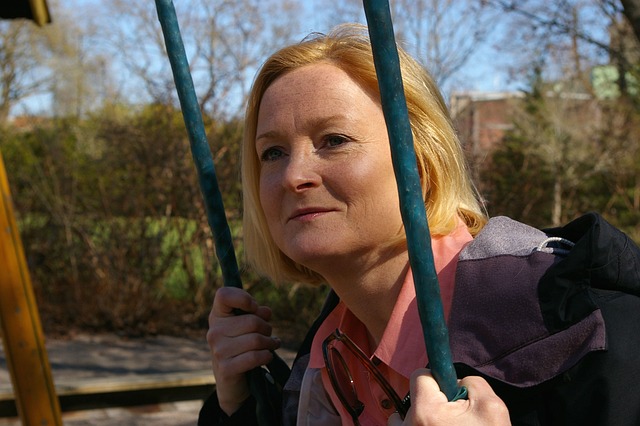
Image by Ingela Skullman from Pixabay
Meet Mary, a kind, gentle woman in her 60s.
Her beloved mother, Ethel, has been diagnosed with dementia. She’s been thrust into the role of a caregiver with no manual or blueprint in sight. Sounds familiar, right?
Tip 1: Get to Know the Person
Mary started by familiarizing herself with her mother’s history.
She learned about Ethel’s favorite songs, childhood memories, and even her pet peeves. Armed with this knowledge, she understood her mother’s world and communicated better.
No decoder ring is needed, just a good dose of empathy.
Tip 2: Smile!
We’re not talking ‘Joker-level creepy’ here. Just a warm, welcoming smile. This helped Mary establish a positive environment that put Ethel at ease.
Tip 3: Slow Down
Mary quickly realized that patience isn’t just a virtue. It’s a necessity.
She started taking things slow, allowing Ethel to process things at her pace.
And she learned that slow and steady does indeed win the race.
Tip 4: Introduce Yourself
A heartwarming twist to their daily routine, Mary introduced herself daily, kindling a new connection each time.
No name tags are necessary, just a pleasant, “Good morning, Mom, I’m Mary.”

☘️
Fast forward to the “Bill Nye of Caregiving,” John. His father, a retired engineer named Robert, also suffers from dementia.
Tip 5: Communicate Clearly
John learned to make his statements short, clear, and simple, almost like he was trying to explain the theory of relativity to a kindergartener.
Tip 6: Step Back
Being overly helpful can sometimes backfire. John discovered the value of letting Robert accomplish tasks on his own.
This boosted Robert’s confidence and preserved his dignity.
Tip 7: Keep it Quiet
John minimized distractions and noise, creating a calm environment. No need to construct a soundproof room. Just simple changes made a huge difference.
Simply using noise-cancelling curtains or rugs, switching to quieter appliances, controlling the volume of electronics, scheduling louder activities when the person with dementia was elsewhere, and promoting a softer tone of speech among household members brought about considerable improvements.
Tip 8: Don’t Argue
Whenever Robert made irrational claims, John found it best not to argue but to divert his attention.
Sure, the squirrels might not be plotting a coup, but John played along anyway.
Tip 9: Engage and Encourage
John invited Robert to join in simple activities. Together, they built model airplanes, Robert’s lifelong hobby.
No, they didn’t break any aviation records, but they certainly soared high on happiness.
Tip 10: Consider Safety
John introduced measures to ensure Robert’s safety, turning their home into a dementia-friendly fortress. Nothing too fancy, just practical adjustments.
He removed tripping hazards, installed safety locks, added clear labels to objects, improved the lighting, established safe areas by securing dangerous items, simplified the environment by reducing clutter, and adapted spaces to be comfortable and familiar.
All these changes were aimed at ensuring a safe and soothing environment for Robert.
Tip 11: Distract
When Robert got upset, John deftly switched topics or activities. Who knew that discussing ’70s rock bands could soothe an anxious mind?
Tip 12: Talk with Others
John joined local support groups and connected with other caregivers. He found a treasure trove of advice, empathy, and friendship.
No secret handshake required, just an open heart.

Now, remember, you don’t have to be an octopus-wrangler or a Rubik’s Cube genius to be a successful caregiver. All you need is love, patience, and the willingness to adapt.
And that, my dear readers, leads us to the most important realization. When you step into the shoes of a dementia caregiver, every day is a new adventure filled with triumphs and challenges.
But armed with these twelve lifesaver tips, you might just find that you’ve become the master of this unique dance.
So, what happened next to Mary, John, Ethel, and Robert? Well, does “they live happily ever after” sound right?


