Introduction
Dive into the vibrant world of art therapy for dementia, where creativity and expression unlock the door to emotional well-being and connection.
This post illustrates how art’s transformative power stimulates memory and fosters stronger bonds for individuals living with dementia.
Let’s explore this colorful journey where paint, canvas, and imagination reign supreme!

Credit Alzheimer’s Research UK
Art Therapy: An Expressive Pathway
Art therapy provides a unique avenue for individuals with dementia to express themselves when words may fail them.
Through various artistic mediums such as painting, drawing, or sculpture, art therapy enables individuals to communicate their emotions, thoughts, and memories in a non-verbal and profoundly personal way.
Rather than the result, the process is the focus, allowing for freedom and self-expression.
Emotional Well-being: Colors of Joy
Art therapy can significantly enhance the emotional well-being of individuals with dementia.
Creating art provides an outlet for emotions, releasing stress, anxiety, and frustration. Painting or drawing can evoke feelings of joy, accomplishment, and pride.
Art becomes a powerful tool for emotional expression, fostering a sense of fulfillment and contentment.
Memory Stimulation: Brushing Against the Past
Art therapy has shown remarkable benefits in stimulating memory recall among individuals with dementia.
Engaging in artistic activities can trigger memories and connections to past experiences. Colors, textures, and familiar subjects can trigger forgotten memories and facilitate meaningful conversations.
Through art, individuals with dementia can reconnect with their narratives and preserve a sense of identity.
Cognitive Enhancement: Painting Pathways
While dementia affects cognitive abilities, art therapy can enhance cognitive functions and stimulate the brain.
Engaging in creative activities stimulates neural pathways, encouraging mental agility and flexibility.
Art exercises such as drawing shapes, mixing colors, or following instructions can enhance cognitive skills, including attention, problem-solving, and decision-making.
Fostering Social Connection: A Canvas of Togetherness
Art therapy provides a platform for social interaction and connection among individuals with dementia.
Group art sessions create a supportive and inclusive environment where participants can share their creations, exchange stories, and engage in collaborative projects.
This sense of belonging fosters social connections reduces feelings of isolation, and promotes a sense of community.
Empowering Caregivers: Nurturing Moments of Joy
Art therapy not only benefits individuals with dementia but also empowers caregivers in their journey. Engaging in art activities creates joy, shared laughter, and meaningful connection.
Caregivers can witness the transformative power of art, offering a new lens through which to connect and communicate with their loved ones.
Art becomes a bridge that spans the gaps created by dementia, allowing for precious moments of shared creativity.
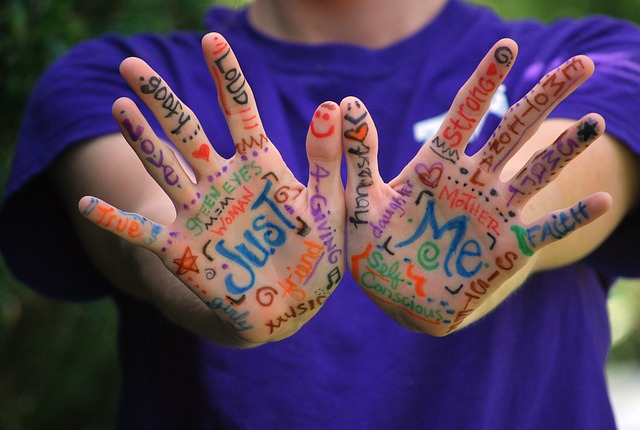
Image by lisa runnels from Pixabay
Integrating Art into Daily Care: Practical Tips
Incorporating art into daily care routines can be a rewarding experience for individuals with dementia and their caregivers. Here are some practical tips to consider:
1. Creating a Safe and Inspiring Space
Designate a comfortable and well-lit space dedicated to art activities. Ensure the materials are easily accessible, organized, and safe to use.
Creating an inviting environment sets the stage for creativity and encourages participation.
2. Exploring Different Artistic Mediums
Experiment with various artistic mediums to find what resonates best with the individual. Painting, drawing, collage, or even simple crafts can all provide opportunities for self-expression and engagement.
Adapt the activities based on the individual’s abilities and preferences.
3. Emphasizing Process Over Outcome
Encourage the focus on the process rather than the result. Emphasize the joy of creating and exploring rather than the need for perfection. Allow for freedom and experimentation, fostering a sense of playfulness and curiosity.
4. Incorporating Music and Movement
Combine art therapy with music and movement to create a multi-sensory experience. Playing soothing music or encouraging gentle movement alongside art activities can enhance engagement and evoke emotions.
5. Engaging in Meaningful Reflection
After each art session, take the time to reflect and discuss the artwork. Encourage the individual to share their thoughts, emotions, and memories connected to their creation. Engaging in meaningful conversations strengthens the bond between individuals and their caregivers.
Conclusion
Congratulations on exploring the profound benefits of art therapy for dementia.
Through creative expression, emotional well-being, memory stimulation, and fostering social connection, art therapy enriches the lives of individuals living with dementia.
Unleash the colors of joy and connection as you embark on this artistic path with your loved ones.


