One chilly winter morning, I found myself at my dear Aunt Mabel’s kitchen table, her worn-out face reflecting the confusion I felt.
She’d just been released from the hospital, and we were grappling with the monstrous task of arranging her aftercare.
It was an odyssey of its own kind, navigating the intricate maze of ‘home care’ and ‘home health care.’
Little did we know the crucial decision awaited us and the profound difference it would make in Aunt Mabel’s life.
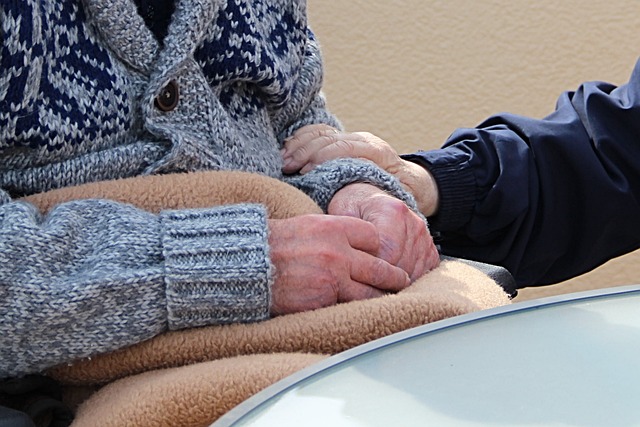
Image by Gundula Vogel from Pixabay
Home care and home health care are often mistaken as the same thing, but they’re as different as night and day.
Let me shine a light on the obscurity.
Home care provides non-medical support
Home care provides non-medical support, assisting with daily activities such as bathing, dressing, and meal preparation.
Think of it as a friendly neighbor dropping by for a chat, all while ensuring your loved one’s essential needs are taken care of.
It offers companionship and makes routine tasks more manageable.
Home health care is a clinician in your living room
On the other hand, home health care is a clinician in your living room.
It’s registered nurses, physical therapists, and medical pros carrying their stethoscopes and doctor bags right to your doorstep.
They provide a range of medical treatments, from wound care to IV therapy and health monitoring to medication management.
1. Prioritize Your Physical Health
Let’s step into Aunt Mabel’s world.
Maria, her home caregiver, visits every morning. She helps Aunt Mabel dress, prepares breakfast, and tidies the house. Maria is Aunt Mabel’s anchor, her port in the storm of daily chores.
In contrast, Nurse Patrick, the home health care nurse, swings by twice a week to check on Aunt Mabel’s heart condition, administer her insulin, and monitor her vitals. Patrick is her medical lifeguard, ensuring her health is kept on track.
The harmonious blend of Maria’s and Patrick’s services provides Aunt Mabel a safety net, allowing her to continue living independently in the comfort of her home. It’s as though life has gifted her two guardian angels.
This beautiful partnership was only possible because we understood the difference between home care and home health care. We were able to customize Aunt Mabel’s care plan to suit her unique needs.
2. Seek Emotional Support
Now, the twist you weren’t expecting.
We had an initial misconception that Aunt Mabel, being recently hospitalized, only needed home health care. We were wrong. She needed Maria as much as she needed Patrick.
Our light bulb moment was realizing that home care was not only for non-medical needs but also played a crucial role in mental wellbeing.
Embracing both forms of care is like having a high-powered engine (home health care) and a smooth gearbox (home care) in a car. They need each other.
And in a surprising revelation, we discovered the duo of home care and home health care wasn’t just a good idea—it was Aunt Mabel’s golden ticket to healthy, independent living.
This journey taught us the value of understanding the distinctive roles of home care and home health care. It opened our eyes to the fact that the difference is not only in the kind of services they offer but also in their impact on one’s life.
When the puzzle pieces fell into place, we found Aunt Mabel not only receiving the care she needed but flourishing under it.
Understanding these differences can be your guiding star in the vast ocean of caregiving choices.
And who knows, with this newfound wisdom, you too might stumble upon an unexpected revelation that revolutionizes the way you view home care and home health care.
Just remember, in the world of care, knowledge isn’t just power; it’s the key to unlocking the best possible care for your loved ones.
So, choose wisely.


