Every day, Mr. Davis sits at his kitchen table, a sea of pill bottles before him, a maze of instructions, precautions, and potential interactions that confuse him.
It’s a common scene, one that plays out in the homes of countless seniors.
Managing medications can be a daunting task, like an intricate dance where a single misstep can lead to disaster.
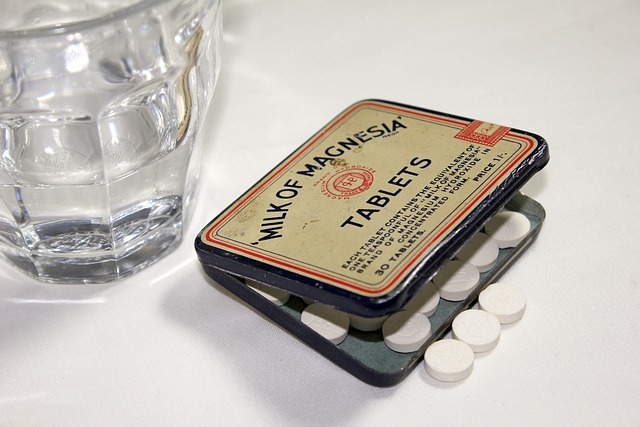
Image by Davie Bicker from Pixabay
But medication management doesn’t have to be a dance on a tightrope.
Here, we delve into ten tried-and-tested strategies to simplify the process, increase safety, and restore confidence.
Centralize Your Medication
It starts with organization. Gathering all medications, vitamins, over-the-counter meds, and supplements in one location reduces the risk of forgotten pills or double dosing.
It’s like the hub in a wheel, keeping everything running smoothly.
Store Properly
The safekeeping of your medications is crucial. While most should be stored in cool, dry places away from light, certain ones need a chillier home – your refrigerator.
This fine-tuned temperature control shields your medicines from degradation, much like a fortress safeguards its knight in a riveting chess match.
Your medication, after all, deserves the right environment to keep its potency intact.
Maintain an Up-to-date List:
This is your playbook, a complete record of medication names, dosages, and schedules.
Regular updates are crucial, mirroring the changing landscape of your health status.
Pre-sort Medications for the Week
Dividing medications into daily doses using a pill organizer is like laying out your chess pieces, preparing for the battle of the week ahead.
Review for Negative Interactions
This is where your pharmacist comes in. Have them review your list to ensure no two medications are locked in a potentially harmful dance.
Ensure Clear Instructions:
Each pill plays a specific part in this symphony of medications. Make sure you know the when, how, and with what each drug is to be taken.
Set Up a Medication Reminder System
Think of it as your assistant, gently nudging you when it’s time for your medication. This could be an app or even a simple alarm clock.
Understand the Likely Side Effects
Each medication has potential side effects, like the flip side of a coin. Being aware helps you differentiate between normal reactions and potential red flags.
Help Seniors with Alzheimer’s or Dementia
Medication management is like navigating in fog for these individuals. They need guidance and patience, along with simple, clear instructions.
2. Seek Emotional Support
Plan Ahead for Refills: Don’t wait until the last pill to get a refill. It’s like keeping the pantry stocked, ensuring you’re never caught off guard.

The process of medication management can be a daunting journey for seniors. But with these strategies, it’s more manageable, like learning the steps to a complex dance, one day at a time.
Now, imagine if Mr. Davis had these strategies in his playbook. The sea of pill bottles would seem less intimidating, the labyrinth of instructions less confusing.
With a sigh of relief, he would feel empowered, in control, knowing he was equipped to handle this complex task. Because medication management is more than just taking pills, it’s a lifeline, a key to health and independence.
That’s the unexpected revelation – taking control of medication management isn’t just about safety.
It’s about freedom. It’s about the confidence that comes from knowing you’re doing what’s best for your health. It’s about the peace of mind that you’re not alone in this journey.
Let’s give seniors the tools they need to manage their medications effectively. Because everyone deserves the freedom that comes with being in control of their health.
Everyone deserves to feel safe. Because in the grand game of life, health is the true checkmate.


