The Stubborn Senior Olympics – Have You Entered?
Imagine this.
You’re a strapping figure of health, armed with bottles of pills, pamphlets about retirement homes, and the burning determination to ensure your beloved seniors live their twilight years in utter comfort.
But there’s one boulder blocking your path to geriatric bliss – your fiercely independent elderly loved one who won’t accept an ounce of your well-intentioned help.
Enter the Stubborn Senior Olympics, my friend. It’s a minefield, but I’m here to help you navigate it.

Image by wolfgang Lützgendorf from Pixabay
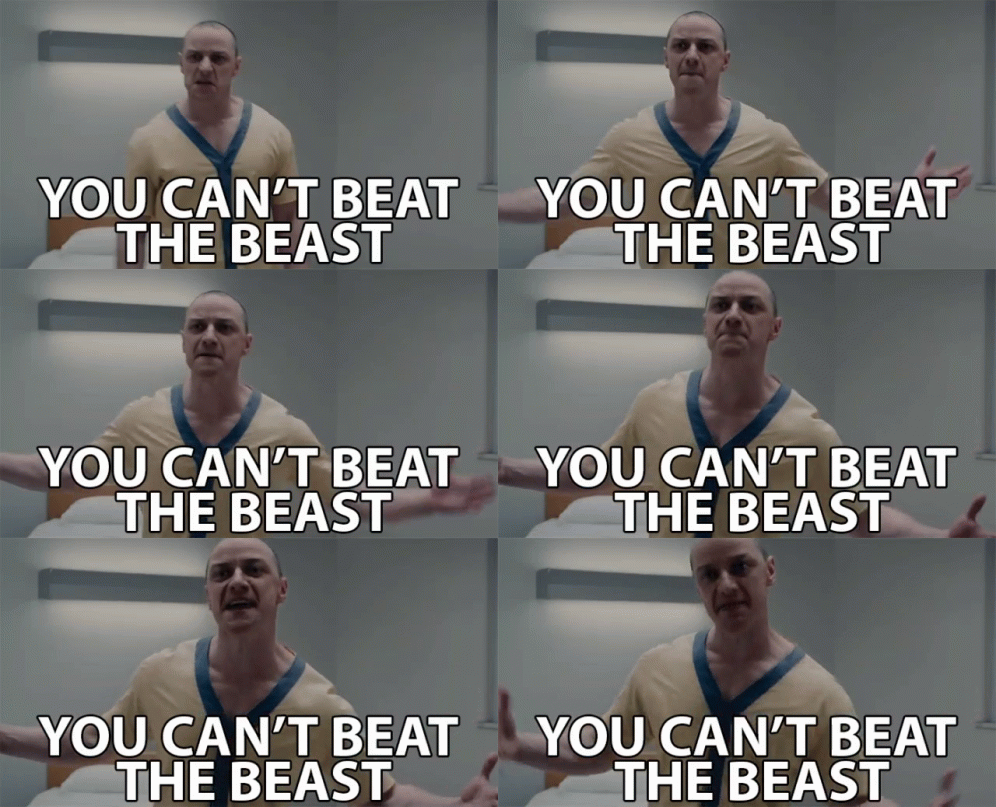
Tip 1: Battle the Invisible Beast – Cognitive Impairment
The intransigence of your senior could be an invisible trickster’s play – cognitive impairment, taking both the transient form of delirium and the permanent guise of dementia.
Think of it as a chameleon, always changing, blending with its surroundings, making it tough to identify. It’s the master of illusions in our Senior Olympics.
Delirium, the short-term contender, often strides into the scene during a physical illness or after surgery. It’s like a whirlwind, causing quick changes in behavior and mental state, confusion, and restlessness.
Its sneaky attacks, however, can be mitigated by treating the underlying cause.
Dementia, on the other hand, is the long-distance runner. A progressive condition causing memory loss, language difficulties, and changes in personality, it doesn’t happen overnight.
But like a relentless competitor, it keeps moving forward.
But don’t let these opponents intimidate you. Instead, become a seasoned detective. 
Look for tell-tale signs – forgetfulness, confusion, alterations in behavior. Keep in mind that the symptoms of delirium and dementia can overlap, making it even more essential to seek professional assistance.
If you spot these indicators, remember, it’s time to bring in the professional coaches. 🧑⚕️👩⚕️
They’re armed with the right tools – from cognitive assessments to physical exams, blood tests to brain scans.
They will help you in developing a care strategy, whether it involves treating an underlying infection, adjusting medication, or introducing cognitive therapies and physical activities.
In this battle, knowledge is your most potent weapon. So, arm yourself well, and get ready to outsmart the Invisible Beast.
Tip 2: Be the Sidekick, Not the Super-Villain – Emotional Validation
In our well-meaning crusade to ensure our parents’ well-being, we often overlook that they are superheroes with their unique emotional armors.
Imagine them as these seasoned warriors, who’ve battled life’s challenges and emerged victorious. Now, facing the enemy of age and infirmity, their emotions are their shield – fear, anger, stubbornness, or pride.
It’s not our job to strip them of this armor, to force them to surrender their independence. If we attempt to, we risk transforming from their trusted ally into an unintentional super-villain, causing emotional distress rather than providing help.
Instead, morph into the empathetic sidekick. Open the lines of communication, and take time to understand their emotional responses.
Is Dad’s stubbornness a manifestation of his fear of losing independence? Is Mom’s anger an expression of frustration over her physical limitations?
Understand that their refusals are often not irrational defiance, but an emotional response to a perceived loss of control.
And this is where the beauty of validation comes in.
By acknowledging their feelings, we communicate, “I hear you. I understand you.” And believe me, this validation has a power akin to a superhero’s secret weapon.
Consider engaging professional help to navigate these emotional intricacies.
Geriatric psychologists or counselors specializing in senior mental health can be instrumental. These experts can help you devise communication strategies and provide insights into age-related behavioral changes.
Remember, your role is not to dismantle their defenses, but to stand by their side, providing support, assurance, and empathy.
You’ll be amazed at the monumental strength drawn from the simple power of a listening ear and understanding heart.
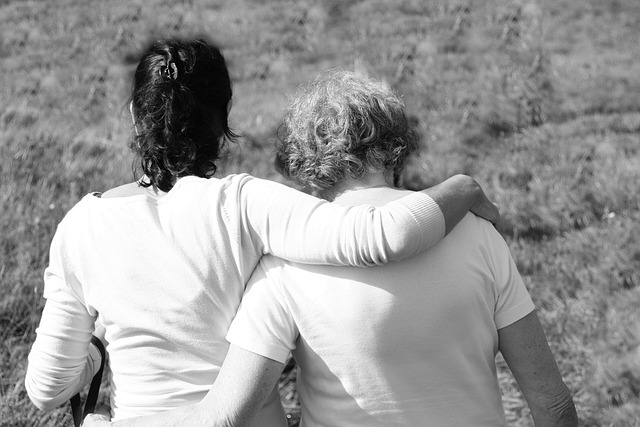
Image by Gisela Merkuur from Pixabay
Tip 3: Trade-offs – Navigating Autonomy and Care
Even our beloved senior superheroes have their mission objectives, their dreams and aspirations.
Their vision of saving the world might just involve savoring the comforting creaks of their favorite armchair, bathed in the flickering glow of afternoon soap operas.
For them, it’s about preserving their routines, their sense of normalcy.
In navigating these waters, consider the concept of trade-offs.
Would they willingly trade the constant nagging to wear their hearing aids for the liberty to amble along the park with their cherished canine companion each morning? The answer might surprise you.
So, initiate that conversation.
Picture it as a spirited haggling session at the local bazaar, where you negotiate the delicate balance between independence and care.
It’s essential to realize that the scales don’t always tip in favor of safety and longevity. Autonomy and independence carry their weight and might tip the balance for some.
Common goals of older adults often revolve around maintaining a sense of control over their lives, living with dignity, and preserving their cherished routines.
Your role as a caregiver involves facilitating conversations around these goals, negotiating the fine line between ensuring their safety and preserving their independence💪.
Discuss what trade-offs they might be willing to make, focusing on their autonomy as much as their well-being.
Implement strategies to aid this process.
For example, integrate assistive technologies that promote independence, or establish a gradual care plan that respects their need for autonomy.
Tailor this to their individual preferences, making adjustments as necessary to ensure a balanced approach to their care.
The key lies in empathy and negotiation, making sure your parents feel involved in the decision-making process, retaining their sense of control.
By doing so, we uphold their dignity, strengthen our bonds, and subtly intertwine care into the fabric of their daily lives.
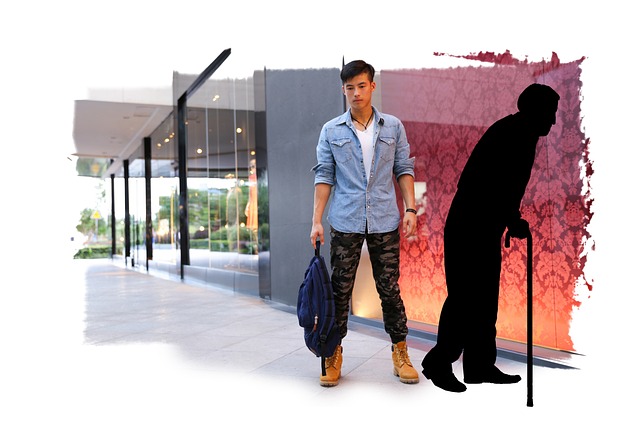
Image by Gerd Altmann from Pixabay
Tip 4: The Caregiver’s Tango – Navigating Needs and Desires
When we’re so deeply entrenched in the caregiver’s role, fervently striving to win the Stubborn Senior Olympics, we might lose sight of a fundamental truth – it’s not just about our need to protect.
It’s not a monologue; rather, it’s a duet, a dance that needs both partners in step, attuned to the rhythm of mutual understanding and respect.
As caregivers, our motives are an intricate tapestry woven with threads of fear and desire.
We dread the harrowing “what if” scenarios that shadow us – What if Dad slips again? What if Mom leaves the oven on?
We grapple with the need to minimize guilt, the fear of conflict with siblings, and the concern that our parent’s health might deteriorate further.
Our desires are equally multifaceted.
We yearn to ensure our parents’ happiness and comfort, to wield control, to predict the next turn in this unpredictable journey.
Yet, underlying all these complex emotions is a primal, deeply personal fear – the fear that the trajectory of our parents’ lives may foretell our own future.
Our protective instincts, although well-intentioned, can sometimes eclipse our senior’s desires and needs. We must remember that our role is to support their autonomy, not override it.
The critical first step is introspection – acknowledging our own fears and desires as legitimate but separate from those of our seniors.
Our drive to secure safety is valid, but so is their yearning for a life of minimal disruption and maximum independence.
Managing this delicate balance requires acknowledging these complexities and then crafting strategies around them.
Open communication is paramount – include seniors in the decision-making process, let their voices be heard. Focus on negotiation and consensus rather than imposition and control.
Instead of mandating a live-in caregiver, could a personal emergency response system be a viable alternative? Could home modifications render a nursing home unnecessary, allowing them to safely retain their independence?
This dance isn’t about dominance, but harmony.
It’s about finding that sweet spot where your fears and desires can coexist with your seniors’ needs and wishes.
So, tie up those dancing shoes, breathe deep, and take a leap into the intricate dance of caregiving, ready to navigate the dynamic tango of needs, desires, fears, and hopes.
In the End…
Our journey takes us to the top of Mount Understanding, the hardest peak to scale in the Senior Olympics.
But you made it, champ!
The four techniques you’ve learned? They’re your grappling hooks and safety ropes. Use them wisely.
You’ll discover that you aren’t in a battle, but an alliance. And that, dear friend, is the golden secret.
Now, go forth and conquer those Stubborn Senior Olympics😉😉. And remember, no senior was ever won over in a day, patience is your best ally.


