Are you strapped in? Not exactly for a high-octane ride, though.
More of a low-stakes crawl along a residential street, captained by your lovable grandma, whose knuckles are whiter than her hairdo from gripping the wheel.
If you’ve found yourself in such a nerve-wracking scenario lately, this post might just be for you.
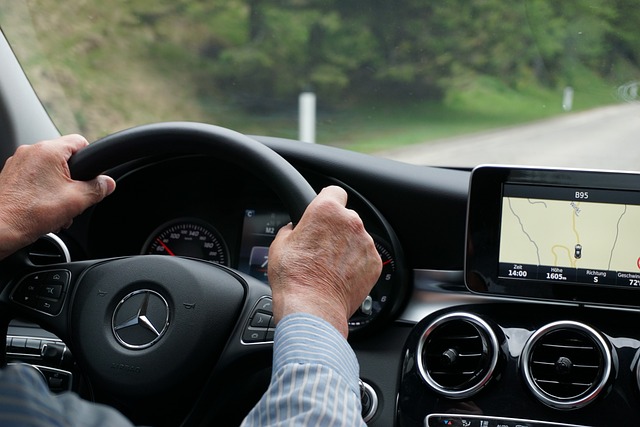
Image by Jonathan Judmaier from Pixabay
Physiological Transformations, Cognitive Shifts, and Decline in Eyesight
Indeed, as the sand trickles through the hourglass of time, we’re faced with the uneasy truth that the very seniors – our parents or grandparents, who once guided us safely across bustling intersections, might not be the most secure choice behind the wheel.
A slew of physiological transformations, like slower reflexes, weakened grip strength and diminished hearing acuity, can make maneuvering a vehicle increasingly challenging.
Further complicating this are cognitive shifts that aging can bring about, such as short-term memory lapses, decreased ability to concentrate, or a more delayed processing speed – all of which are critical when making quick, on-the-spot decisions while driving.
Then there’s the inevitable decline in eyesight, often a result of conditions like cataracts, glaucoma, or macular degeneration, which can turn even the most routine drive into a hazardous venture.
Such are the trials of growing old.
Yet, it falls upon us to vigilantly recognize these signs and muster up the courage to initiate that awkward yet necessary conversation about relinquishing the car keys.
Because it’s better to act before an unlucky mailbox becomes an unintended casualty or, worse yet, an innocent bystander.

Image by Dean Moriarty from Pixabay
Their car looks like it barely survived a bumper car match
Fresh dents, scrapes, and signs of minor accidents are a big red flag.
If these suddenly start popping up, and no, they can’t all be from “the careless people at the supermarket parking lot,” it’s time to take note.
So, in the spirit of saving mailboxes and, more importantly, our dear seniors, here are seven-alarm bells that might mean it’s time for them to take the passenger seat:
Their driving habits have changed
Increased braking, driving significantly under the speed limit, incorrect signaling – these aren’t newfound bad habits; they’re potential indicators of declining driving abilities.
They’re squinting more than Popeye
If every road sign is a struggle to read or they seem surprised by vehicles “appearing out of nowhere,” their eyesight could be the culprit.
Driving isn’t the Sunday afternoon cruise it used to be
If they look more like they’ve finished a marathon rather than a drive to the store, or if the GPS sounds like it’s speaking in alien tongues, it might be time to discuss alternatives.
Close calls are becoming the norm
If you’re hearing more and more stories of “that fool who nearly crashed into me today,” it may be a sign that their reaction times aren’t what they once were.
Night drives are a no-go
A common problem among seniors is difficulty driving after dusk. If they’re anxious about night driving, it’s time to listen closely.
You’re getting nervous…or others are
If you find yourself constantly worried about their driving or if friends and other relatives express their concerns, it’s a signal you can’t ignore.
????
Now that we’ve sorted through the warning signs, you may be thinking, “Great, but how the heck do I bring this up without sounding like I’m taking away their freedom?”
Trust me; there are ways. Discuss their safety, show understanding and empathy, and provide alternatives like public transport, Uber, or even driving them around yourself (brownie points!).

To wrap up this auto-venture, remember that just as we once needed guidance in learning to drive, our elders might need a bit of help realizing when to stop.
Happy Ending
As the sun sets, casting long shadows on the road, you sit next to your grandma on the front porch.
Handing her a warm cup of tea, you begin the conversation about her driving. You talk about safety, love, and reassurances of continued independence.
It’s tough, but a conversation must be had, a sign of our love for them.
As she sips her tea, a soft smile plays on her lips – she understands, and it feels like a weight has been lifted.
Driving or not, life carries on. Safety, after all, is a journey, not a destination.


