[lwptoc]
1. Introduction: The Quest for the Best Hearing Aids
Hearing loss affects many, transforming vibrant soundscapes into muted silence.
Yet, hearing aids technology has changed dramatically. Over time, these devices have evolved from bulky, noticeable objects into discreet, technologically advanced tools that reconnect individuals with their sonic environment.
However, the path to acquiring the best hearing aids isn’t straightforward.
Choosing the right hearing aid can be unnerving, given the numerous styles, brands, features, and pricing options available. Another crucial factor is the role of the audiologist, a professional whose expertise is vital in shaping your hearing aid experience.
In this article, we aim to assist you on your journey towards finding the best hearing aids.
We’ll cover everything from understanding hearing aid terminology and making informed decisions, to optimizing your interactions with an audiologist.
The world of sound is ready to be rediscovered, and it’s time to dive in.
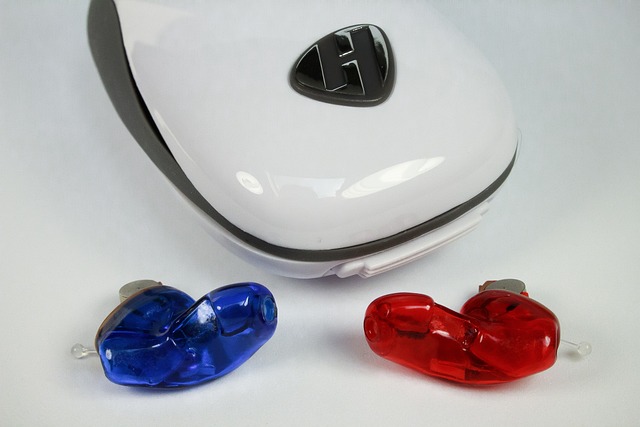
Image by Stefan Schweihofer from Pixabay
2. Understanding the Role of an Audiologist in Hearing Care
Audiologists are the unsung heroes in the world of audiology. They play an instrumental role in bridging the gap between you and the chorus of sounds that make up life’s symphony.
Let’s unravel the complex world of audiology and understand the role of an audiologist in hearing care.
Audiologists specialize in identifying, diagnosing, treating, and monitoring disorders of the auditory and vestibular systems. They are not mere salespeople pushing you to buy a hearing aid; they are guardians of your hearing health.
When it comes to hearing aids, an audiologist’s role is multifaceted and goes beyond just prescribing a device.
They conduct thorough assessments to understand the extent and nature of your hearing loss. They consider several factors, including your lifestyle, personal preferences, and budget. They analyze these elements meticulously to provide a personalized hearing care solution that best suits your needs.
An audiologist also plays a significant role in fitting and fine-tuning the hearing aids.
They adjust the device according to your hearing loss profile and comfort. It’s not a one-size-fits-all solution. They ensure the hearing aids are tailored to enhance your hearing experience.
Audiologists also guide you through the process of getting used to your new hearing aids, which can sometimes be a challenging phase. They are there to answer your queries, address your concerns, and provide necessary adjustments or reprogramming.
Additionally, they provide advice on maintaining and troubleshooting your hearing aids. They ensure you have all the information you need to keep your hearing aids in top shape, prolonging their life and maintaining optimal performance.
An audiologist is your ally in your hearing health journey. They are there to ensure that you not only get the best hearing aids but also that you get the best out of your hearing aids.
The journey towards better hearing isn’t solitary; an audiologist is your trusted companion along the way.
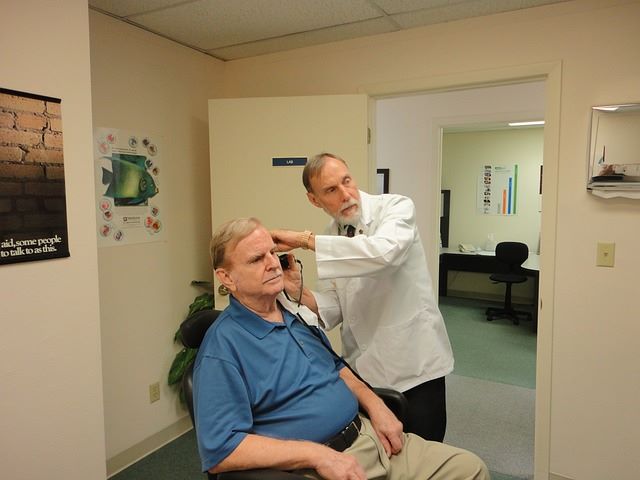
Image by williamsje1 from Pixabay
3. Decoding the Language of Hearing Aids: Key Terms Explained
Hearing aids are not just pieces of technology. They are a gateway to a world full of sound. Understanding the terminologies associated with hearing aids is essential to making an informed decision.
Let’s decipher some of the most commonly used terms in hearing aids.
Digital Hearing Aids
These are modern hearing aids that convert sound waves into digital signals. A computer chip in the hearing aid adjusts the signal to match your hearing loss, lifestyle needs, and listening environment.
They can significantly enhance speech clarity in noisy environments.
Directional Microphones
These specialized microphones help improve your ability to focus on the sound you want to hear in a noisy place. They work by focusing on the sound in front of you and reducing sounds coming from other directions.
Telecoil (T-coil)
This is a small coil inside your hearing aid. When activated, it picks up electromagnetic signals from compatible phones or looped environments like theaters, offering clearer sound without background noise.
Programs/Presets
Most digital hearing aids allow users to switch settings (or “programs”) optimized for various listening situations, like restaurants, meetings, or watching TV.
Feedback Cancellation
This feature helps prevent the whistling noise that can happen with hearing aids when the amplified sound escapes and is re-amplified by the device.
Frequency Compression
This feature lowers the frequency of sounds out of a person’s hearing range to a range where they can hear them. It’s particularly beneficial for those who have high-frequency hearing loss.
Hearing Aid Styles
These include behind-the-ear (BTE), in-the-ear (ITE), in-the-canal (ITC), and completely-in-canal (CIC). The style choice depends on your degree of hearing loss, lifestyle, and personal preferences.
Understanding the language of hearing aids is a crucial step in your hearing health journey. It helps you to navigate the maze of options and make informed decisions.
After all, the power of choice rests with the one who understands.
Image by Bastian Riccardi from Pixabay
4. Crucial Factors to Consider When Choosing Hearing Aids
When it comes to selecting hearing aids, it’s not one-size-fits-all. Everyone has unique hearing needs, preferences, and lifestyles. Here are several crucial factors to consider when making this critical decision.
Degree of Hearing Loss
Different hearing aids are designed to accommodate varying degrees of hearing loss.
An in-the-ear or in-the-canal style may be suitable for mild to moderate hearing loss.
Behind-the-ear models might be a better choice for severe to profound hearing loss.
Lifestyle Needs
Consider the environments in which you’ll use your hearing aids.
Suppose you live actively with frequent social gatherings, sporting events, or concerts. In that case, you might need hearing aids with advanced noise reduction and multiple listening programs.
On the other hand, simpler models could suffice if you spend more time at home in quiet settings.
Comfort and Aesthetics
Comfort is critical, as you’ll likely wear your hearing aids for most of the day. Choose a design that feels good to wear.
Aesthetics also matter; today’s hearing aids come in various styles and colors to match your fashion sensibility.
Technology and Features
Modern hearing aids come with numerous features, such as Bluetooth connectivity, rechargeable batteries, tinnitus masking, and compatibility with smartphones.
Make a list of your must-haves and discuss these with your audiologist.
Budget
Prices for hearing aids vary widely depending on the brand, model, and features. Be upfront with your audiologist about your budget so they can recommend options within your financial reach.
Warranty and Support
Check the warranty of the hearing aids and what it covers. Post-purchase support is equally important.
Ensure your audiologist offers regular follow-ups, fine-tuning, and maintenance services.
Navigating the landscape of hearing aids might seem daunting initially. Still, with some knowledge and the guidance of a skilled audiologist, you can find a suitable device that amplifies not just sound but the quality of your life.

Image by Robin Higgins from Pixabay
5. The Role of Technology in Modern Hearing Aids: A Look at the Latest Features
Today’s hearing aids are far from the bulky and obtrusive devices of yesteryears. Technology advancements have transformed them into small, stylish, and highly effective tools that dramatically improve hearing and overall quality of life.
Let’s delve into how technology is reshaping modern hearing aids.
Digital Sound Processing
Digital signal processing (DSP) hearing aids work like this: they take in sounds and change them into digital codes for precise analysis. The higher the sampling rate (frequency of analysis), the more accurate it becomes.
These codes are then split into smaller parts, called bits, which help to tell similar sounds apart. These bits are sorted into channels that can be amplified or reduced based on the specific hearing needs of the user. After this sorting, the codes are put back together so the wearer can hear the sounds.
DSP aids to assist with noise reduction and directionality, filtering out background noise and enabling focus on sounds from specific directions.
DSP aids are ideal for individuals struggling with noise reduction or directional hearing.
The following diagram shows how digital sound processing works. Courtesy of Soundguys:
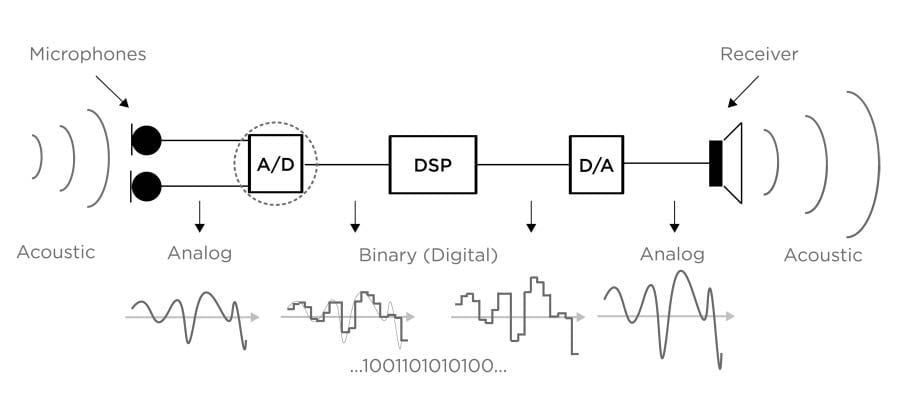
Courtesy of Soundguys.
Directional Microphones
People with normal hearing can focus on specific sounds because their brains and ears work together to filter out background noise automatically. So they can concentrate on relevant sounds or conversations, even in a noisy environment.
But distinguishing important and unimportant sounds can be tricky if you have hearing loss.
Directional microphones in hearing aids help filter out unnecessary noise, so you don’t hear all sounds equally. These microphones work by canceling noise from all directions and focusing on sounds from one direction.
More advanced ones use multiple microphones for better selectivity. The best hearing aid with directional microphones depends on the individual’s needs.
Some brands have used this technology longer, but what works best for you should be discussed with your audiologist or hearing aid provider.
Wireless Connectivity
Modern hearing aids can connect wirelessly to various devices, including smartphones, TVs, or music players, using Bluetooth technology.
This feature lets users stream audio directly to their hearing aids, providing a more personalized and immersive listening experience.
Rechargeable Batteries
Many modern hearing aids feature rechargeable batteries, eliminating the need for frequent battery changes. Some can even be charged using portable power banks, making them more convenient for people who travel often.
Smartphone Compatibility
Many hearing aids can connect to smartphone apps. This allows users to adjust the settings of their hearing aids for different environments, track their hearing progress, and even receive hearing care remotely.
Tinnitus Maskers
For those who experience tinnitus, some hearing aids include built-in tinnitus maskers. These produce a soothing sound that helps distract the brain from the ringing or buzzing caused by tinnitus.
Artificial Intelligence (AI)
AI is the latest addition to the hearing aid technology realm. AI-powered hearing aids can learn and adapt to the wearer’s listening preferences, making automatic adjustments based on the acoustic environment.
The infusion of technology into hearing aids has dramatically improved their functionality, delivering users a superior and more personalized hearing experience.
It’s crucial to discuss with your audiologist which technological features would best meet your needs and lifestyle.
Image by Viva la vida!!! Rosa Matilde Peppi from Pixabay
6. Practical Tips for Maximizing Your Visit to the Audiologist
Making the most of your visit to the audiologist can ensure you receive the best hearing aid to meet your needs. Here are some practical tips:
Be Prepared
Before your visit, take some time to note down any hearing difficulties you’ve been facing. Include specific instances where you had trouble hearing, such as in crowded places or during phone conversations.
List any medications you’re currently taking, as some can affect hearing.
Bring a Companion
Having a family member or friend accompany you can be beneficial. They can provide additional perspective on your hearing difficulties and help you remember information shared during the visit.
Ask Questions
Don’t hesitate to ask your audiologist questions. Ensure you understand all aspects of your hearing loss, potential hearing aid options, their features, cost, and what to expect during the adjustment period.
Discuss Lifestyle Needs
Your daily activities, hobbies, and work environment can significantly influence the type of hearing aid that is best for you. Discuss these details with your audiologist.
Post-Visit Follow-ups
The journey to better hearing continues after the initial visit. Ensure to schedule follow-ups for fine-tuning your hearing aids and addressing any issues.
These tips can help you achieve a successful audiologist visit, putting you on the path to better hearing.
7. Real-life Experiences: Learning from Others’ Hearing Aid Journeys
Hearing aid users often share impactful stories about their experiences, showcasing the transformative effect of these devices.
Let’s explore a few of these real-life examples:
A Life-Changing Decision
Let’s start with Mary’s story. Mary is a 68-year-old retired teacher who has noticed a gradual decline in her hearing abilities.
She found it increasingly difficult to follow conversations, particularly in noisy environments. Initially, she resisted getting a hearing aid, fearing it would make her seem ‘old.’
However, she visited an audiologist, who recommended a discreet, modern hearing aid.
Mary was amazed at the difference it made. She could once again enjoy conversations with her friends and family without constantly asking them to repeat themselves.
Adapting to Technology
Our second story involves James, a 73-year-old tech enthusiast.
James was intrigued by enhancing his hearing abilities using the latest technology. His audiologist recommended a state-of-the-art hearing aid that could be connected to his smartphone.
James was thrilled with the features like adjusting the volume and settings from his phone and streaming music directly to his hearing aid.
The device didn’t just improve his hearing; it enriched his tech-loving lifestyle.
Overcoming Initial Challenges
Lastly, let’s talk about Susan, a 65-year-old artist. Unlike Mary and James, Susan had a challenging start with her hearing aids.
She found them uncomfortable at first, and the sounds felt artificial. However, she was persistent and kept visiting her audiologist for adjustments.
Gradually, her brain adapted to the new way of hearing, and she found immense improvement in understanding speech, especially during her art classes.
These experiences underline that while the journey to improved hearing may differ for each individual, the outcome is invariably empowering and life-enhancing.

Image by Victoria_Regen from Pixabay
8. Taking Care of Your Hearing Aids: Maintenance and Troubleshooting Tips
Proper care of your hearing aids ensures their longevity and optimizes their performance. Here’s how to keep them in top-notch condition:
Daily Cleaning
Clean your hearing aids daily with a soft, dry cloth.
Be careful not to use water, cleaning fluids, alcohol, or solvents, as they could damage the devices.
Each night, open the battery door to help dry out any moisture and extend battery life.
Regular Checks
Inspect your hearing aids regularly for any signs of damage or blockage.
Pay particular attention to the microphone and sound outlet areas. Many models come with a cleaning brush to help remove any debris.
Preventive Measures
Prevent exposure to extreme heat and cold. When not in use, store your hearing aids in a cool, dry place out of the reach of pets and children.
Keep them away from hair sprays or makeup, which could clog up the microphone.
Professional Maintenance
Even with meticulous care, hearing aids can occasionally encounter problems.
Regular check-ups with your audiologist can help identify any issues early on. They can also professionally clean and check the devices for you.
Remember, your hearing aids are a significant investment, and taking good care of them is crucial to your hearing health regimen.

Image by Joshua Choate from Pixabay
9. Further Resources for Hearing Aid Users and Caregivers
Gathering additional resources on hearing aids can significantly enhance your understanding and experience. Here are some top resources for you and your caregivers:
Online Forums and Support Groups
Online communities like Hearing Tracker, and HearPeers offer user forums where you can connect with other hearing aid users. These platforms are great for sharing experiences, tips, and support.
Educational Websites
Websites like the Hearing Loss Association of America, American Academy of Audiology, and Better Hearing Institute provide a wealth of information about hearing loss and hearing aids.
They also offer advice on communicating effectively with people with hearing loss.
Local Workshops and Classes
Local hospitals and community centers often offer classes and workshops on living with hearing aids. Learning more about your device and meeting other people in similar situations can be highly beneficial.
Hearing Aid Apps
Many hearing aid manufacturers now offer companion smartphone apps that allow you to control and personalize your hearing aids more quickly. Some also include tutorials and direct support.
Having these resources at your disposal can make the journey of using hearing aids less daunting and more empowering.

Image by ❄️♡💛♡❄️ Julita ❄️♡💛♡❄️ from Pixabay
10. Conclusion: Empowering Your Hearing Aid Journey
Navigating the world of hearing aids can initially feel like a complex maze. But with the proper understanding, preparation, and resources, it can transform into a journey towards enhanced hearing and improved quality of life.
From understanding your audiologist’s role, decoding the technical language of hearing aids, and leveraging the power of modern technology, every step brings you closer to optimal hearing health.
Remember to use your audiologist’s expertise fully, and don’t hesitate to ask questions or share your concerns. Some practical tips can significantly improve your audiology visits, such as bringing a companion to appointments and documenting your hearing experiences,
Most importantly, be patient with yourself. Adjusting to hearing aids takes time. As real-life experiences show, the learning curve is steep, but the rewards are well worth the effort. Take care of your devices, keep learning, and utilize all available resources.
As you grow more confident in managing your hearing aids, remember that the journey does not end here. The landscape of hearing care is continuously evolving, and there are always new developments to explore.
Stay updated, stay engaged, and look forward to a world of clearer sounds and better communication because you deserve to hear all the beautiful notes of life.


