[lwptoc]
1. Introduction to Dementia and Feeding Tubes
Dementia, a cruel specter haunting the golden years of many seniors, has many complex symptoms, including difficulty eating and swallowing.
As dementia progresses, the once simple act of nourishing oneself becomes daunting, creating heartache for patients and their caregivers alike.
Feeding tubes, a piece of medical equipment that may feel alien and intimidating, often step into the frame at this juncture. These devices are designed to provide nutrition directly to the stomach or small intestine, bypassing the need for conventional eating.
Their introduction can be challenging, but understanding their role can help patients and caregivers navigate the challenges ahead.
As we delve into the details of feeding tubes for seniors with dementia, we hope to empower you with the information needed to make the best decisions for your loved ones.
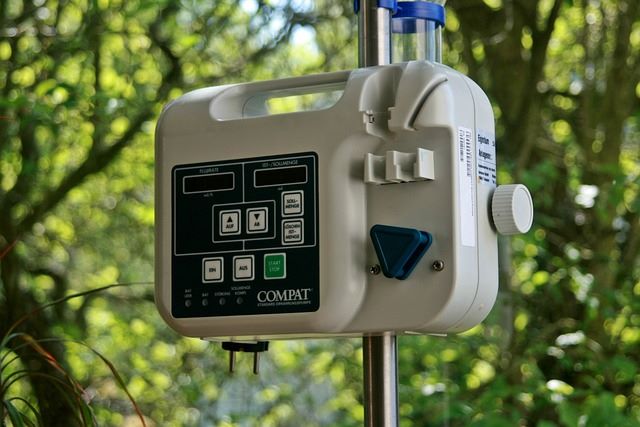
Image by Holger Langmaier from Pixabay
2. Understanding the Necessity of Feeding Tubes
As the curtain of dementia falls, memory and cognitive abilities may fade, but what becomes equally challenging is dealing with physical complications such as difficulties with eating and swallowing.
At this stage, doctors may suggest the use of feeding tubes. It’s a decision that weighs heavily on hearts and minds alike.
Let’s take the example of Mr. Anderson, an 85-year-old dementia patient.
As his condition advanced, he began losing weight rapidly due to insufficient food intake and recurrent aspiration pneumonia caused by food or drink accidentally entering the lungs.
The doctor suggested a feeding tube as a way to ensure proper nutrition and minimize the risk of aspiration.
Feeding tubes aren’t always about prolonging life but improving the quality of life.
In Mr. Anderson’s case, his family agreed to the tube, hoping to stabilize his weight and reduce the risk of pneumonia. It’s essential to have open conversations about the necessity and expectations of feeding tubes.
☘️
Keep in mind that each dementia patient’s journey is distinct. Understanding when and why a feeding tube might become necessary is a crucial part of managing the progression of dementia.
In this article, we’ll help decode this complex decision-making process using insights from healthcare professionals and real-life examples.

3. The Different Types of Feeding Tubes
Feeding tubes come in different varieties, each designed to address specific medical situations.
The three most common types used for dementia patients are Percutaneous Endoscopic Gastrostomy (PEG), Nasogastric (NG), and Nasojejunal (NJ) tubes.
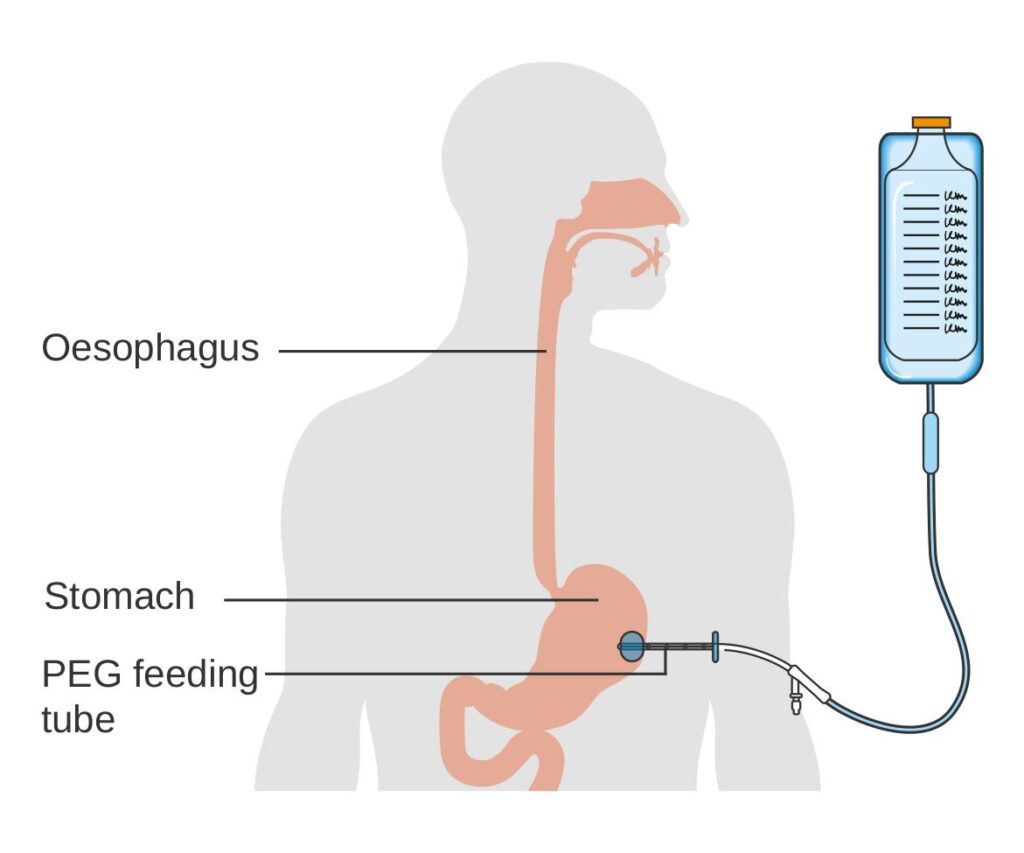
A PEG tube, the most common of the three, is a flexible tube inserted directly into the stomach through a small incision in the abdomen.
This feeding tube is ideal for long-term use. It helps bypass the upper digestive tract, making it a safer option for those with swallowing difficulties.
Take, for instance, Mr. Williams, a 79-year-old dementia patient. He needed a reliable long-term solution for his nutritional needs. His doctor recommended a PEG tube, which was a turning point in his care journey.
The tube gave him the nutrients he needed, reducing his health complications significantly.
Next are NG and NJ tubes. Both are temporary solutions inserted through the nose and down into the stomach or the small intestine.
These tubes are typically used for short-term nutritional support or when a procedure like PEG is not immediately possible.
Mrs. Thompson, for example, experienced a sudden onset of severe swallowing difficulties due to her advancing dementia. An NG tube was quickly placed to support her nutritional needs while the family and doctors devised a long-term care plan.
🌿
Each type of feeding tube has its benefits and drawbacks, and the decision to choose one should be made considering the patient’s circumstances.
These real-life stories illustrate the various types and their applications, providing a clear picture of what feeding tube use can look like for seniors with dementia.
4. Procedure for Placing a Feeding Tube
The procedure for placing a feeding tube depends on the type of tube chosen.
Let’s walk through a typical PEG tube placement procedure experienced by Mrs. Johnson, a 76-year-old woman with advanced dementia.
First, Mrs. Johnson underwent a thorough medical evaluation to ensure she was a suitable candidate for PEG placement. After the team confirmed her candidacy, she was scheduled for the procedure.
Under mild sedation, an endoscope, a thin tube with a camera, was passed down her throat to locate the best place for the PEG tube in her stomach. Once identified, a small incision was made on the abdomen, and the PEG tube was inserted.
The procedure took about 30 minutes, and Mrs. Johnson was closely monitored for any immediate complications. She was then moved to a recovery room for observation and was later discharged with detailed care instructions for her family.
On the other hand, the placement of NG or NJ tubes is less invasive and typically doesn’t require sedation.
A thin tube is guided through the nose, down the esophagus, and into the stomach or small intestine. The tube’s position is then confirmed using an X-ray before it is secured in place.
🌵
Regardless of the type, placing a feeding tube is a medical procedure that requires expertise and precision. Understanding the process can demystify it, easing the anxiety associated with this significant step in dementia care.
As we continue, we’ll explore the possible risks and complications, arming you with the knowledge you need to make informed decisions.

Image by Debora Alves from Pixabay
5. Possible Risks and Complications of Feeding Tubes
While feeding tubes can be a lifeline for seniors with dementia, they are not without potential risks and complications. Understanding these potential issues is critical to have an accurate picture of what life might look like post-placement.
The risks associated with the placement procedure include infection, bleeding, and potential injury to the surrounding organs. These are typically managed effectively in a clinical setting, but awareness is critical.
For example, after his PEG tube placement, Mr. Lee, a dementia patient, developed a minor infection around the insertion site. However, it was quickly identified and treated with antibiotics, leading to a speedy recovery.
Complications can also arise over the longer term. One common issue is the tube becoming dislodged or blocked.
This can usually be resolved quickly by a healthcare professional, but it does necessitate attention.
In another instance, Mrs. Davis, another dementia patient, experienced regular clogging in her NG tube. However, her caregivers were trained to promptly identify and respond to such issues, preventing severe consequences.
More severe complications can include aspiration pneumonia, which can occur if the liquid nutrition formula enters the lungs instead of the stomach. This risk is particularly heightened in dementia patients due to a general weakening of the swallowing reflex.
Furthermore, there are potential nutritional complications.
Maintaining balanced nutrition can be challenging, especially when using a formula diet. Monitoring for signs of nutritional deficiencies or electrolyte imbalances is an essential part of care for anyone with a feeding tube.
🪴
Effective communication with the healthcare team and attentive at-home care is vital to managing these risks and complications. Each risk carries its challenges, but with the proper preparation, they can be managed effectively.
As we navigate this complex terrain, it’s important to remember that the goal is to improve the quality of life for our loved ones with dementia.

Image by Gerd Altmann from Pixabay
6. Life with a Feeding Tube: What to Expect
Living with a feeding tube marks a significant lifestyle change, not just for the person with dementia but also for their caregivers and family members. Understanding what to expect can help ease the transition and encourage a sense of normalcy in day-to-day life.
A critical aspect of life with a feeding tube is the administration of feeds. The nutritional formula, usually a balanced mix of essential nutrients, is delivered through the tube regularly, as advised by the healthcare provider.
Sticking to this feeding schedule and monitoring the patient for any signs of discomfort or adverse reactions is essential.
For example, Mr. Patel had a PEG tube placed due to his advanced dementia. His daughter, his primary caregiver, set alarms to keep track of feeding times and ensure the recommended amounts of formula were administered.
She watched her father closely during feeds, watching for signs of discomfort that might indicate a problem.
Cleaning and maintenance of the feeding tube site are also vital. This involves regular cleaning around the tube insertion site to prevent infection and checking the tube’s position.
In the case of Mr. Patel, a home nurse visited weekly to help his daughter master these skills until she felt comfortable doing it independently.
Additionally, it’s important to remember that feeding tubes do not prevent patients from enjoying flavors.
Many individuals with feeding tubes can still enjoy small amounts of their favorite foods orally, depending on their ability to swallow safely. This can help maintain a sense of enjoyment and normalcy around meal times.
🪴
Living with a feeding tube is a journey that requires adjustment and continual learning. It can seem daunting at first, but it becomes a part of routine care over time.

Image by ravi teja from Pixabay
7. Talking about Feeding Tubes: Communication with Healthcare Providers
Navigating the complexities of feeding tubes can feel overwhelming. This is where open communication with healthcare providers becomes invaluable. They are your allies, ready to offer guidance and answer questions every step of the way.
When Mrs. Gomez’s husband was diagnosed with advanced dementia and a feeding tube was suggested, she was filled with concerns.
However, she didn’t shy away from voicing these concerns. She asked questions about the necessity of the tube, the risks involved, and the impact it would have on their daily lives.
The healthcare team appreciated her proactive approach and ensured she received all the information she needed.
Understanding the medical rationale behind a feeding tube is crucial.
Discuss the patient’s overall health, ability to eat, the risk of malnutrition or aspiration, and how a feeding tube might help. Always ask for clarification if any medical terms or procedures are unclear.
Feel free to discuss potential complications and how to handle them. The more you know, the more confidently you can handle situations at home.
For instance, when Mrs. Gomez’s husband accidentally dislodged his tube, she could stay calm, remember the instructions from the healthcare team, and seek immediate help.
Emotional and psychological factors should also be part of your discussion. Many patients and caregivers go through feelings of fear, anxiety, or depression.
Healthcare providers can recommend counseling or support groups where experiences and coping strategies can be shared.
🌱
Keep in mind, your healthcare team is there to support you. They can guide you through the technicalities of tube feeding and provide tips for integrating it into your life.
Don’t hesitate to contact them with any queries or concerns, no matter how minor they may seem.
8. Caring for Seniors with Feeding Tubes: Tips for Caregivers
As a caregiver, managing a loved one’s feeding tube can be demanding. But with knowledge, practice, and support, it can become a manageable part of your caregiving routine.
Here are some essential tips that can guide you along this journey.
One of the most crucial responsibilities of a caregiver is administering feedings.
It’s imperative to follow the feeding schedule provided by the healthcare team. Each feeding session should be calm and unhurried, with time for the patient to rest before and after.
Mr. Collins, caring for his mother with dementia, set up a quiet, comfortable corner at home for this purpose. He found that this approach made feeding times less stressful for both.
Cleaning the feeding tube site and maintaining hygiene is vital to prevent infections.
Take note of changes around the tube site, such as redness, swelling, or unusual discharge. Regular bathing schedules should be maintained, carefully avoiding the tube site if possible.
Regular health monitoring is also essential.
Keep an eye on the patient’s overall health, including weight, energy levels, mood, and skin condition. If you notice any sudden changes, contact the healthcare provider promptly.
Discovering a support network can make a world of difference. Support groups, online forums, and social media circles can provide practical advice and emotional backing.
When Mrs. Kelly, who cared for her husband with dementia, felt overburdened, she found comfort and valuable suggestions within an online caregiver community.
Lastly, remember to care for yourself. Caregiving is a demanding role, both physically and emotionally. Take breaks, delegate tasks when possible, and seek professional help if it becomes too overwhelming.
🏵️
Keep in mind; you are not isolated in this endeavor. Equipped with knowledge, patience, and backing, you can skillfully handle the complexities of providing care for a loved one with a feeding tube, demonstrating confidence and compassion.

Image by Dean Moriarty from Pixabay
9. Conclusion: Making the Best Decision for Your Loved One
Dementia’s journey is often a winding road filled with challenges and uncertainties.
Regarding feeding tubes for seniors with dementia, the decision involves medical, emotional, and lifestyle considerations. Each feeding tube type carries its own benefits and drawbacks, and procedures vary based on the chosen method.
While the risks and complications associated with feeding tubes can be formidable, understanding them equips us to manage them effectively.
Living with a feeding tube is a significant lifestyle change. Still, with careful planning and open dialogue with healthcare providers, it’s a change that can be successfully integrated into everyday life.
As caregivers, we shoulder a considerable responsibility. Yet, by embracing the learning curve and seeking support, we can provide the best possible care for our loved ones.
We hope this comprehensive guide has provided valuable insights into the world of feeding tubes for seniors with dementia, empowering you to navigate this aspect of care with confidence and empathy.



