I. Introduction
Unpredictable and daunting, Emergencies become all the more challenging as we age.
The vulnerability of older adults in such crises is heightened, necessitating prior preparation and a mindful approach. Preparing for emergencies is not merely an act of prudence but a critical step toward ensuring safety and well-being.
This article explores practical tips and narratives that illustrate the importance of emergency preparedness for older adults.
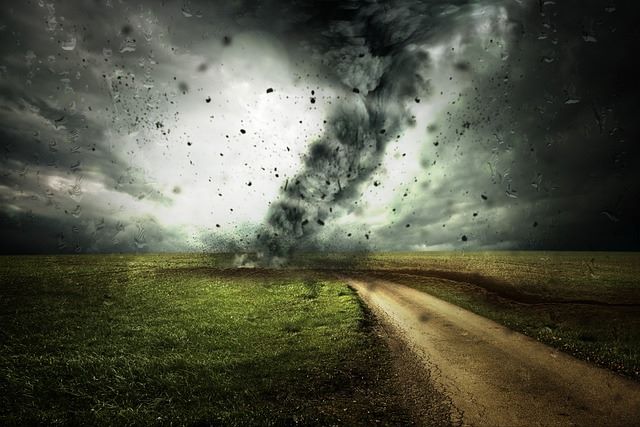
Image by 0fjd125gk87 from Pixabay
II. A Tale of Surprise
Meet Joan, a spirited 70-year-old who lived alone in her charming two-story house.
One winter night, an unexpected power outage left her fumbling in the dark, struggling to find her way. She hadn’t anticipated a blackout; thus, no candles or torches were at hand.
With her limited mobility, navigating through the icy darkness posed a risk of a hazardous fall. Fear and helplessness, Joan’s uninvited guests, overstayed that night.
This frightful incident left her questioning her lack of preparedness and how it exacerbated the situation.
III. Lessons Learned: Unpacking the Importance of Preparedness
The story of Joan provides vital insights into the significance of being prepared for emergencies.
Aging comes with unique challenges – reduced mobility, health concerns, or sensory impairments, increasing vulnerability during crises. An emergency plan, thus, becomes the first line of defense.
Such a plan should consider personal needs and limitations. It includes a list of emergency contact numbers, evacuation routes, and necessary supplies like medication and food.
But the plan is just the beginning. Maintaining physical and mental well-being during a crisis is equally crucial.
Physical well-being includes appropriate clothing, medication, and nutritious food. Mental well-being necessitates combating fear and anxiety, keeping calm, and staying positive.
Seniors should also familiarize themselves with emergency signals and alerts. A battery or crank-operated radio can be handy for receiving news during power outages.
An all-rounded approach ensures that seniors survive and thrive during emergencies.
IV. From Surprise to Security: Practical Steps Towards Preparedness
Turning Joan’s tale of surprise into one of security begins with practical steps toward preparedness.
First, creating an emergency kit is essential. This kit should include basic supplies like water, food, medication, a first-aid kit, and a flashlight. Having copies of important documents like health insurance and identification is also prudent.
Regular practice is the next critical step. Practicing evacuation drills helps reinforce safety routes and procedures. It’s also important to keep emergency contact numbers within easy access and inform close contacts about the emergency plan.
Open communication is also crucial. Discussing the emergency plan with friends, family, or caregivers is beneficial. This ensures everyone in the senior’s circle is on the same page and can provide practical help during a crisis.
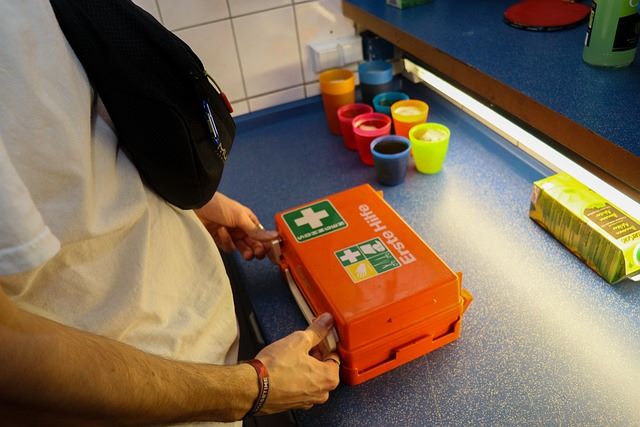
Image by konradhfh from Pixabay
V. A Tale of Preparedness: When Prior Planning Pays Off
Consider the tale of Robert, a 75-year-old retired firefighter.
When a fierce storm hit his town, he was prepared. He had a well-stocked emergency kit and an evacuation plan. He had practiced the drills and knew exactly what to do.
Despite the chaos outside, Robert was calm and secure, knowing he had taken steps to protect himself. He weathered the storm confidently, demonstrating that proper planning pays off during emergencies.
VI. Conclusion: Preparedness Brings Peace
The contrasting narratives of Joan and Robert underline the critical importance of emergency preparedness for older adults.
Crises are inherently uncertain, but our response to them doesn’t have to be. With planning, practice, and preparedness, the fear of emergencies can be replaced with confidence, turning tales of surprise into stories of security.
Remember, preparedness is not merely about surviving an emergency—it’s about maintaining dignity, autonomy, and peace of mind during life’s most challenging moments.


