I. Introduction
In the trenches of life, we often find ourselves donning the mantle of a caregiver.
For me, it was when my father’s once vibrant eyes dimmed, clouded with the haze of age.
Managing his care, I walked a tightrope strung between love and responsibility—a daunting journey, bristling with challenges and ripe with emotional upheaval.
But, every challenge conceals a hidden opportunity, a chance for transformation, for redemption. For us, it came in an unexpected form – regular check-ins.

Image by ❄️♡????♡❄️ Julita ❄️♡????♡❄️ from Pixabay
II. Scenario One: Senior Living in a Care Community
There came a day when my father, my rock of Gibraltar, could no longer withstand the relentless assault of time.
His need for constant medical attention forced me into a decision that pulled at my heartstrings: moving him into a care community.
This choice was far from easy. It meant entrusting his well-being to strangers, professionals they might be, but strangers nonetheless.
The care community promised a world where professionals would cater to my father’s needs. But as I learned, the stark reality was more complex.
I found the key to navigating this reality in care conferences, these essential platforms for discussing and ensuring my father’s well-being.
My first encounter with a care conference was a daunting maze of medical jargon and disconnected discussions. But as each meeting passed, I came to understand their critical nature. I developed strategies to effectively use these conferences, the product of trials, errors, and triumphs.
 Tip 1: Prior Preparation – Before every meeting, I compiled a list of observations, concerns, and questions. This provided a concrete starting point, making the discussions more productive and focused on my father’s needs.
 Tip 2: Active Participation – I learned the importance of active participation, voicing concerns, asking questions, and challenging decisions that weren’t in my father’s best interest.
 Tip 3: Building Relationships – Over time, I built relationships with the care community staff, fostering a sense of teamwork. This collaborative approach benefitted my father’s care, ensuring his needs were better understood and addressed.
 Tip 4: Follow-ups – After each meeting, I made it a point to follow up on decisions made and the actions promised. This helped hold everyone accountable and ensured my father’s care continuously improved.
Naturally, these conferences were fraught with emotions. The gut-twisting anxiety before each meeting, the determination to fight for my father’s well-being, and the flicker of hope kept me going.
But every conference, every discussion, and every decision was a step towards ensuring my father’s comfort and quality of life.
My motivation was clear: my love for my father. It fueled my determination, making me a fierce advocate for his care.
Over time, I found myself connecting with others, sharing similar experiences, all of us bound by a shared goal – ensuring the best care for our loved ones.
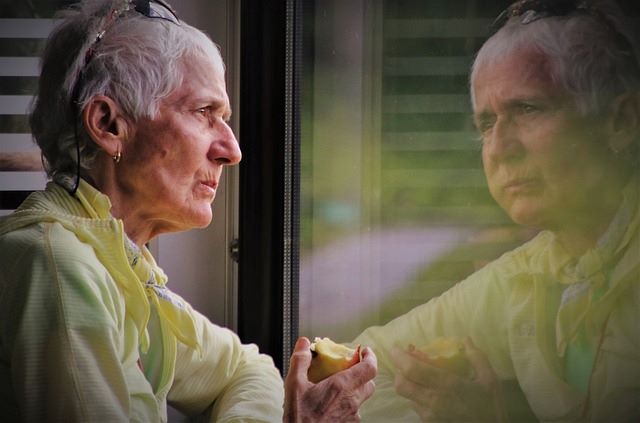
Image by ❄️♡????♡❄️ Julita ❄️♡????♡❄️ from Pixabay
III. Scenario Two: Senior Living at Home
When my mother’s years began to bear down on her, a new challenge presented itself. Strong-willed and fiercely independent, she insisted on staying at home, the house that cradled countless memories of my father.
I respected her decision and faced the arduous task of managing her home-based care head-on. This situation brought me to the arena of regular check-ins via phone and email, becoming my lifeline in an ocean of responsibilities.
The whirlwind of the initial phase tested my mettle: arranging for home care nurses, managing her medication, scheduling appointments, and ensuring her overall comfort.
Though merely physical, the geographical distance often cast a long and trying shadow over my duties. But, I found an ally in the consistent rhythm of regular check-ins, a window into her world, and an avenue for continuous care.
Each call or email exchange with my mother or caregiver was a precious link, binding me to her everyday life.
The conversation could be about her lunch, the weather, a book she was reading, or something more critical like her medication or doctor’s visit. Each conversation, each email update, however trivial it seemed, held profound importance.
Here are some practical tips that I found to be invaluable during this journey:
 Tip: Regular Schedule – Establishing a regular schedule for check-ins brought a sense of predictability and stability. It also ensured that no significant change in her condition or needs went unnoticed.
 Tip 2: Use Technology – Leverage the power of technology. Video calls can be powerful, offering visual clues about their well-being. Similarly, emails are a great way to keep track of important information and instructions.
 Tip 3: Involve the Caregiver – If there’s a caregiver involved, ensure they’re a part of these check-ins. They can provide valuable insights into daily routines and any behavior changes and relay important messages to and from medical professionals.

 Tip 4: Empathetic Conversations – Always remember to be empathetic during conversations. This reinforces your support and love, especially during challenging days.
Balancing emotions was an integral part of these check-ins.
The unvoiced exhaustion in her words on certain days made my heart clench, but the sound of her laughter on good days was a balm on my anxieties.
The emotions that fuelled these regular check-ins transcended duty – they were woven with threads of love, concern, and an earnest desire to uphold her dignity and independence.
IV. The Real Importance of Regular Check-Ins
In the crucible of caring for my aging parents, I grasped the fundamental importance of regular check-ins.
They were more than scheduled calls or periodic meetings. They were lifelines, emotional and logistical, helping navigate the turbulent waters of senior care.
With every triumph, like my father’s improved health or my mother’s laughter, the value of these check-ins magnified.
They also came with their share of frustrations – unanswered calls, canceled conferences – but the benefits outweighed the trials.
V. The Possibility of a More Manageable Senior Care Journey
Through regular check-ins, I discovered the possibility of a more manageable senior care journey.
They provided insights into my parents’ lives, giving me a sense of control in the chaos. They fostered connection, softened the blows of tough decisions, and illuminated the path with hope.
As much as they were tools of management, they were threads of emotional connection, binding us in this intricate dance of love and care.
VI. A Future Where Managing Senior Care Can Be Less Overwhelming
Looking back, I envisage a future where managing senior care can be less overwhelming. A future where families, armed with the power of regular check-ins, confidently navigate this journey.
The narrative of managing senior care needs a shift, from a daunting task to a manageable responsibility, from helpless despair to empowered action.
Our experiences, victories, and trials serve as a beacon for others embarking on this journey. Together, we can transform senior care.
The key is always to appreciate the power of a simple check-in.
–A fictional story of a fearless man, Aaron, who is a primary caregiver for his parents.


