I. Introduction
Life for seniors can often resemble a late winter landscape – cold, barren, and tinged with a melancholy gray. As age weighs upon them, life’s vibrancy fades, leaving a dreary tableau.
But what if we could breathe color back into this tableau and reignite the spark of positivity?
The answer, my friends, lies within us.

II. Scenario One: Physical Health and Mental Health Connection
Consider Martha, a spirited septuagenarian, but a sudden illness stripped away her vitality, her joie de vivre. Struggling with her reduced mobility, Martha sank into a morass of negativity. But then, her grandson introduced her to the concept of light exercise.
At first, the idea seemed far-fetched, even absurd. She questioned, “At my age?” But, watching her grandson’s determined face, she reluctantly agreed.
A simple chair yoga routine became their daily ritual.????♂️????
Day after day, Martha grappled with her body’s constraints, her initial skepticism giving way to a steely determination. She slowly rediscovered a sense of control, a connection between her mind and body that she had long thought severed.
Her physical strength burgeoned, and with it, so did her mental fortitude. The daily exercises didn’t just build her muscles; they built resilience, an unwavering positivity that blazed through her days.
III. Scenario Two: The Impact of a Healthy Diet
Then there was George, a widower wrestling with his wife’s loss, subsisting on a diet of processed meals and melancholy. His world seemed desaturated until his neighbor, a nutritionist, stepped in.
She introduced him to the world of balanced meals – whole grains, lean proteins, fresh fruits, and vegetables. George was skeptical, but he decided to try, in memory of his wife, who had always fretted about his reckless diet.????????????
As he replaced processed meals with healthier alternatives, he noticed a change. His energy levels improved, his thoughts were clearer, and his moods brighter. His diet did more than nourish his body; it nourished his soul, lighting up corners that he thought were forever shrouded in darkness.
IV. Scenario Three: Loneliness and Isolation
Isolation can be a cruel tormentor, as Rose discovered. Widowed and with her children spread across the globe, her world shrank to the four walls of her apartment. Until a local community center reached out.
Hesitant at first, Rose decided to take a leap of faith. She found companionship and laughter at the community center, a shared camaraderie that defied age and time.
The sense of belonging, the warmth of shared stories, and common experiences helped Rose break free from the shackles of isolation, bringing a renewed positivity to her life.
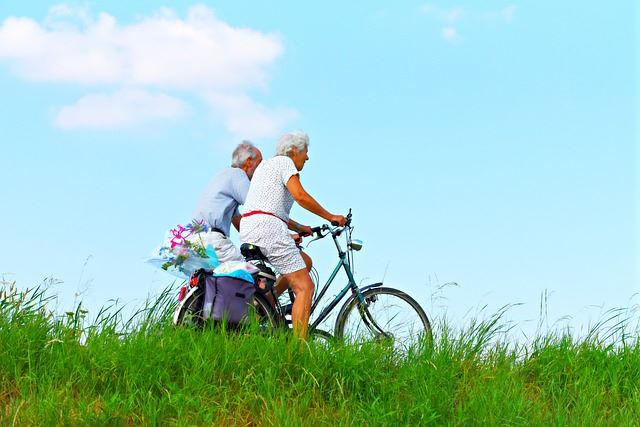
Image by ???? Mabel Amber, who will one day from Pixabay
V. Scenario Four: An Active Mind
Next is the story of Arnold, a retired professor diagnosed with early-stage dementia. As memory slips became more frequent, so did Arnold’s frustration and despair. His daughter, a cognitive scientist, suggested brain-training activities.
Arnold began small – puzzles, quizzes, and learning a new language. Each completed task was a victory, not just over the puzzle but over his despair. His cognitive abilities improved, and so did his mental positivity.
These activities did more than keeping his mind active; they kept his spirit alive.
VI. Scenario Five: Cultivating a Positive Attitude
Lastly, consider Amelia, a former opera singer grappling with her fading voice and independence. Negativity cast long shadows on her days until she discovered mindfulness and affirmations.
Amelia began practicing mindfulness, living in the moment, and appreciating the small joys of life. Her affirmations echoed the strength of her operatic days, “I am strong, I am capable, I am positive.”
This change in attitude lit up her world in a way her stage spotlights never could.
VII. Positivity Is a Choice, a Daily Commitment
Martha, George, Rose, Arnold, and Amelia – their stories converge into a potent message of hope and positivity.
Their journeys demonstrate the undeniable connection between our actions and our outlook toward life. Each shows that positivity isn’t just a state of mind; it’s a choice, a daily commitment.
VIII. They Aged Positively
By embracing healthy habits, fostering connections, keeping their minds active, and adopting a positive attitude, they chose to look beyond their age.
They didn’t just passively age; they aged positively.
Their stories underline the importance of a holistic approach to aging, where physical health and mental positivity intertwine.
IX. Help Our Seniors Paint Their Winters With the Colors of Positivity
As their narratives unfold, we realize that positivity is an elusive bird.
But, by providing the right environment – whether through physical activity, a healthy diet, social engagement, an active mind, or a positive attitude, we can invite this bird to nest in our lives.
The challenge is real, but so are the solutions. Let’s help our seniors paint their winters with the colors of positivity.


